 86-0513-68903288
 13906298796@139.com
 русский
 Español
 عربى
عربىContent
The Hidden Cost of a Poor Blower Match
A 20% drop in aeration efficiency at a mid-size wastewater plant usually isn’t a mechanical failure—it’s a blower that was never sized for the actual operating point. Across industrial air and gas handling, the largest recurring loss isn’t the purchase price; it’s the mismatch between technology, pressure demand, and duty cycle. When a positive-displacement lobe blower runs against excessive back pressure or a centrifugal unit operates too far left of its curve, energy waste compounds daily. The highest ROI on any industrial blower project comes from rigorous upfront selection, not from chasing the lowest bid. This guide breaks down the technology families, the decision criteria that matter, and the system-level factors that separate a commodity air mover from a process‑critical asset.
Core Blower Technologies and Where They Excel
Industrial blowers fall into two broad designing families—positive displacement and dynamic—but the nomenclature owners encounter every day is much more specific. Roots rotary lobe, oil‑free screw, multistage centrifugal, and high‑speed turbo (air suspension or maglev) each solve different sets of constraints. A plant that treats high‑strength effluent, a food processor moving grain, and a cement kiln requiring combustion air will rarely succeed with the same machine. The table below maps the four dominant types against the criteria that drive lifecycle cost.
| Technology | Pressure Range | Flow Characteristic | Turndown & Efficiency | Best‑Fit Applications |
|---|---|---|---|---|
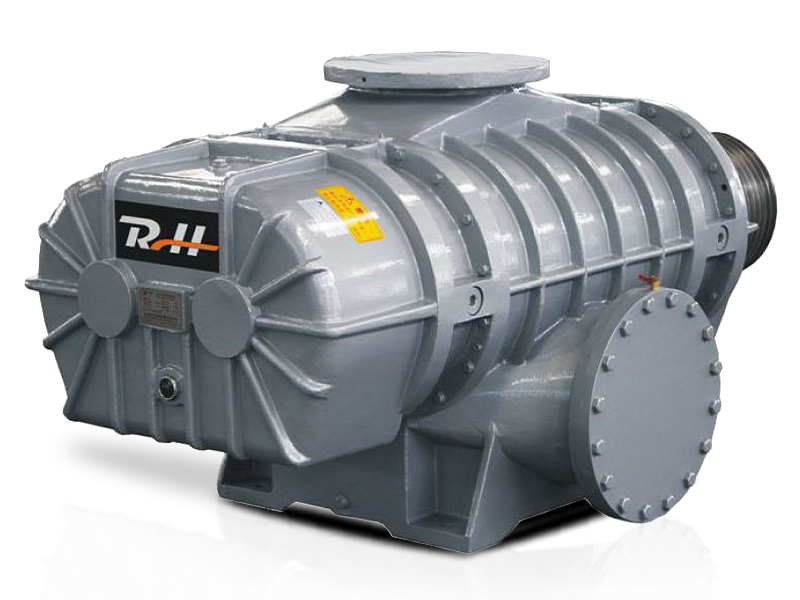
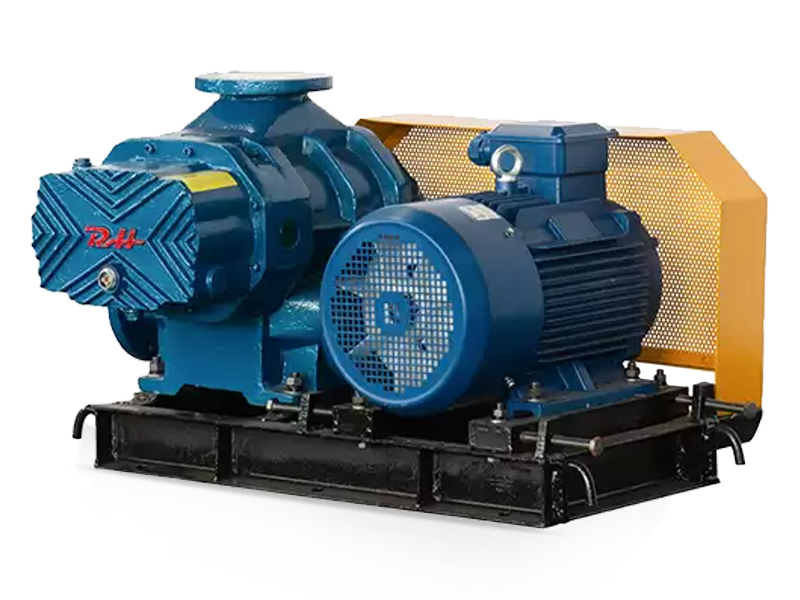
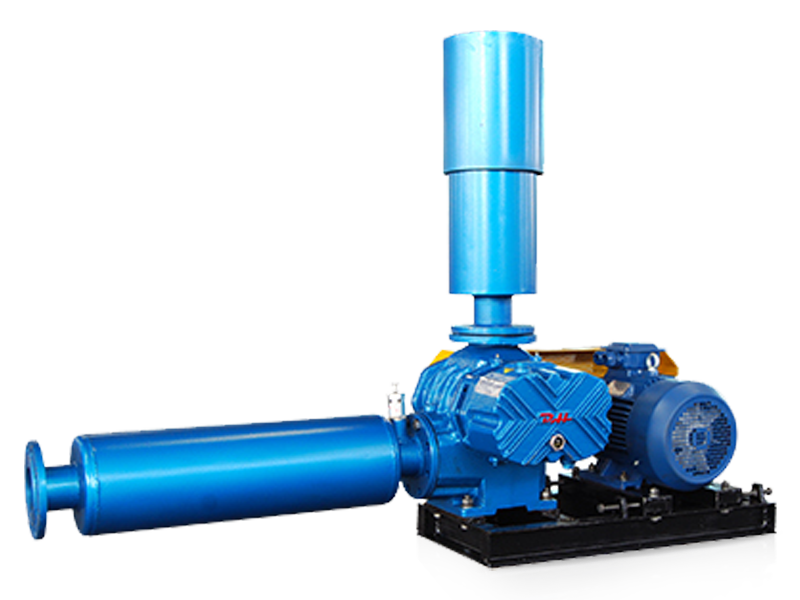
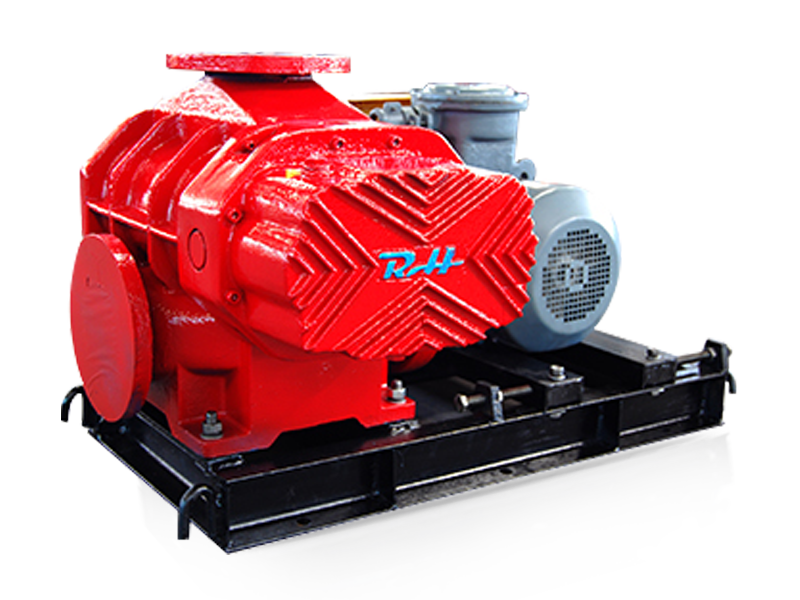
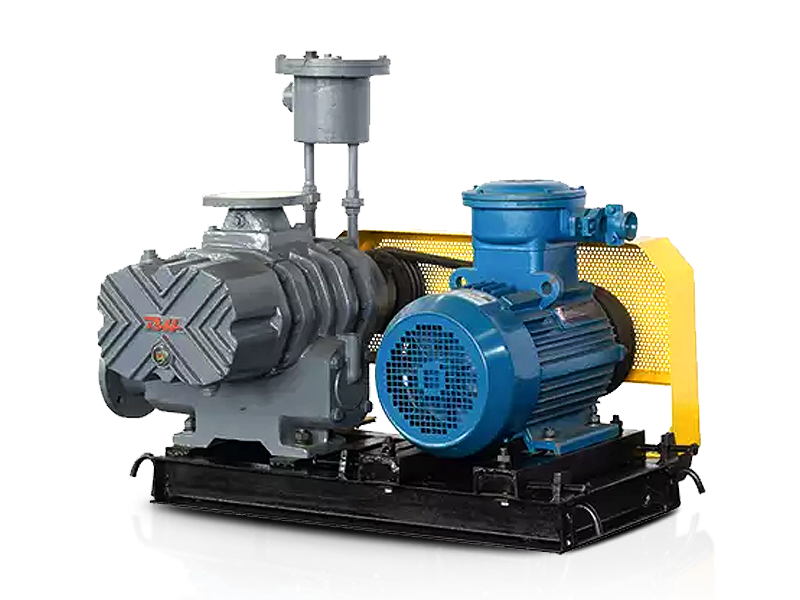
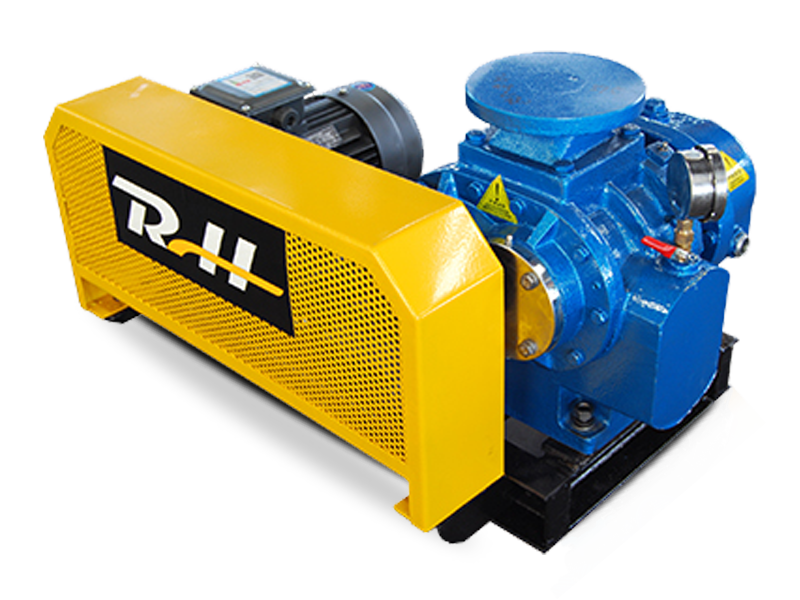
| Roots Rotary Lobe | 0.1–1 bar (ΔP) | Constant volume, flow varies with speed | Moderate; best with VFD at partial load | Wastewater aeration, pneumatic conveying, vacuum |
| Oil‑Free Screw | 0.2–1.5 bar | Positive displacement with internal compression | Higher isentropic efficiency than lobe; wide turndown | Digester gas boosting, medium‑pressure process air |
| Multistage Centrifugal | 0.2–1.5 bar | Varying flow, sensitive to inlet conditions | High at design point; limited turndown without IGV | Large WWTP aeration, combustion air, ventilation |
| Air Suspension / Maglev Turbo | 0.2–1.0 bar | Dynamic, high‑speed impeller | Peak efficiency >85%; excellent turndown with VFD | Energy‑sensitive aeration, filter backwash, fluidization |
Understanding where each category fits prevents the common trap of defaulting to a single technology and then fighting its limits. For instance, a roots blower paired with a VFD often matches the efficiency of a screw blower at part load in municipal aeration basins, while a high-flow multistage centrifugal blower becomes the preferred choice when a plant needs sustained flows above 100 m³/min with clean intake air. Technology selection isn’t about picking the newest option; it’s about eliminating the ones that cannot meet your pressure‑flow envelope over a realistic duty cycle.
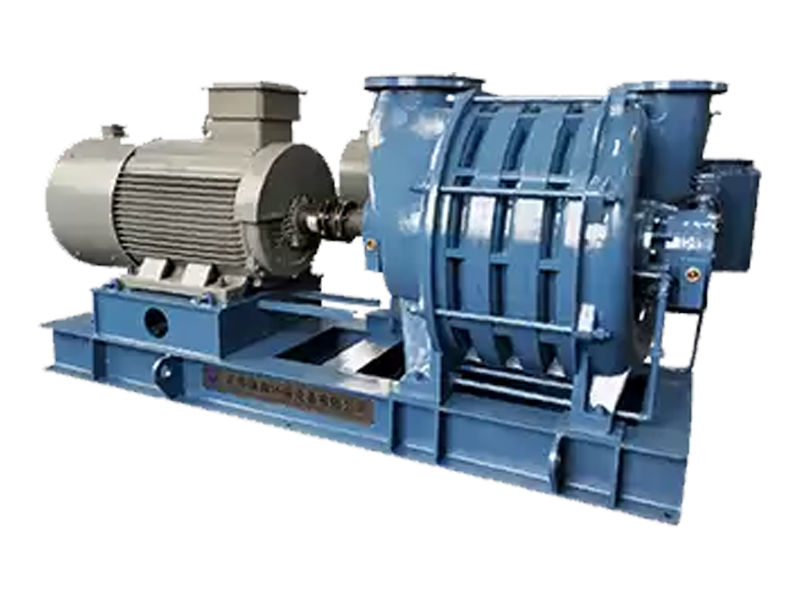
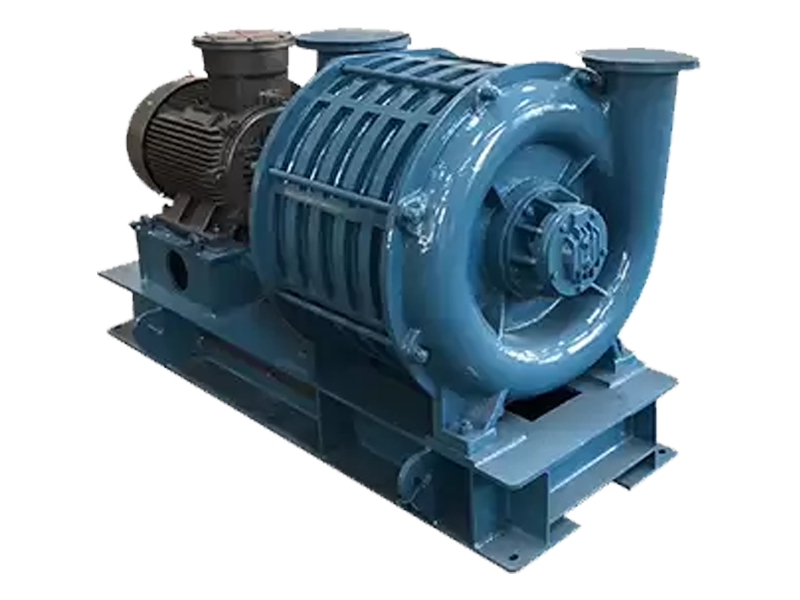 High flow inlet multi-stage centrifugal blower Suppliers, Company - Nantong RongNantong Rongheng - China Wholesale High flow inlet multi-stage centrifugal blower Suppliers and Company,High flow inlet multi-stage centr...View Product →
Matching Blower Specs to Your Application
Seasoned engineers begin with three non‑negotiable operating parameters: required flow rate at standard conditions, discharge pressure (or vacuum level), and gas composition. Every other consideration—noise, packaging, compliance—is subordinate. A roots blower selection for wastewater and pneumatic conveying process, for example, starts with the system curve, not the blower catalog.
Pressure and Flow: Where Most Comparisons Break Down
Dynamic blowers (centrifugal, turbo) deliver a pressure rise that varies with flow, making them ideal for stable, narrow‑band processes. Positive‑displacement machines move nearly the same volume per revolution regardless of discharge pressure, a trait that simplifies control in pneumatic conveying and filter press applications. Yet when a lobe blower is forced to operate against a high back‑pressure swing, motor overload becomes a real risk—unless a relief valve or a speed‑trim strategy is built in.
Gas Composition and Material Compatibility
Moving air is the simplest case. As soon as the gas stream contains moisture, trace corrosives, or particulates, wetted internals and metallurgy dictate the bill of materials. For biogas, solvent‑laden air, or vacuum service on a mechanical vapor recompression (MVR) skid, standard cast‑iron lobes are not an option. An industrial stainless steel roots blower for MVR eliminates the corrosion risk and extends service intervals, while special coatings or duplex alloys handle high‑chloride environments. Never assume that a dry‑air spec sheet applies to the actual process gas.
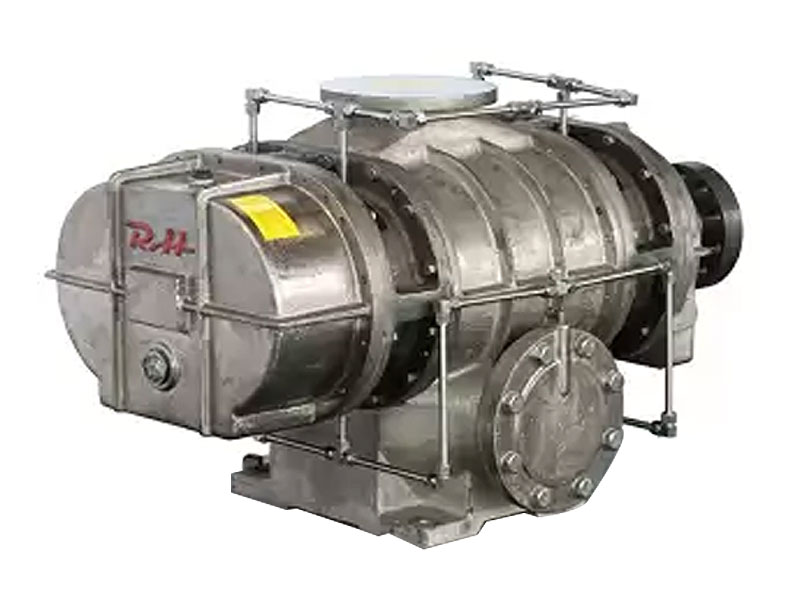 Industrial Stainless Steel Roots MVR Suppliers, Company - Nantong Rongheng EnvirNantong Rongheng - China Wholesale Industrial Stainless Steel Roots MVR Suppliers and Company,Industrial Stainless Steel Roots MVR Design...View Product →
Energy Efficiency: Where Most Operations Leave Money on the Table
At many municipal and industrial sites, blowers represent 40–70% of the total electrical load. A 15‑point gap in wire‑to‑air efficiency, left uncorrected for a decade, erases the capital savings of a low‑cost machine many times over. Turndown capability and the blower’s ability to track a varying load without efficiency collapse are often more important than the full‑load rating.
Air suspension and maglev turbo blowers have reset expectations: a well‑designed high‑speed air bearing turbo blower maintains isentropic efficiency above 82% from 45% to 100% flow, a range where conventional multistage machines fall into surge or intensive bypass. For roots and screw blowers, pairing a permanent‑magnet motor with a frequency conversion starting cabinet (soft‑start and speed regulation) can lift part‑load efficiency by 20–30%. Still, efficiency must be verified against the actual inlet conditions—elevation, temperature, and filter pressure drop—that change the mass flow and power draw.
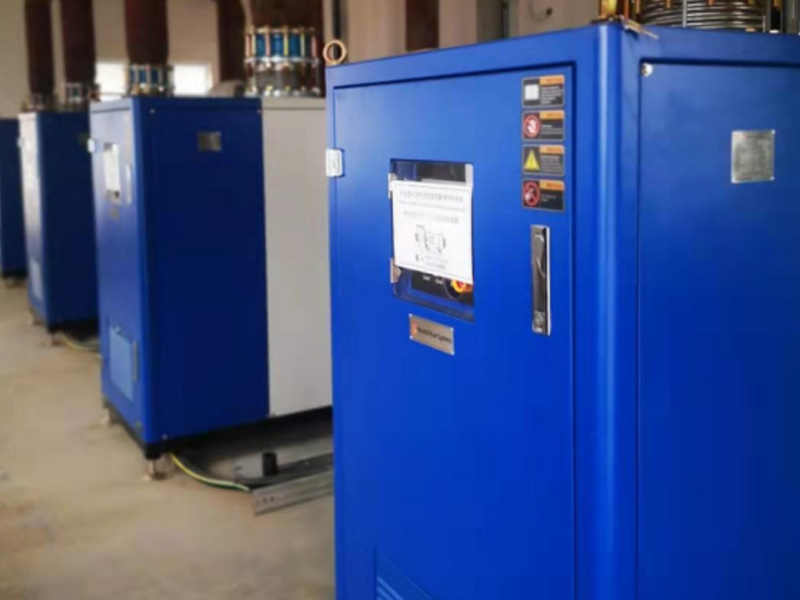 Air Bearing Turbo Blower Suppliers, Company - Nantong Rongheng Environmental EquNantong Rongheng - China Wholesale Air Bearing Turbo Blowers Suppliers and Company,Air Bearing Turbo Blower Design And Manufacturing, Eff...View Product →
To benchmark performance, request a certified performance curve measured per ASME PTC‑10 or ISO 1217, not a catalog approximation. A detailed industrial blowers selection methodology weighs capital cost against a ten‑year energy model, and in most cases, a premium‑efficiency machine pays back in under three years at a $0.10/kWh rate.
Reliability and Installation Considerations
An industrial blower that runs 8,000 hours per year cannot afford frequent bearing replacement or unplanned downtime. Reliability is built from four pillars: correct sizing, proper lubrication‑free design where possible, adequate inlet filtration, and integration of monitoring controls. Oil‑free screw and air suspension blowers eliminate oil carryover and the maintenance cycles tied to lubricant degradation, while roots‑type machines thrive with simple timing‑gear oil checks every 2,000 hours.
Packaging, Noise, and Site Integration
A standalone bare blower rarely solves a site’s problem. Most installations demand an acoustic enclosure, inlet silencers, discharge check valves, and a programmable control cabinet that communicates with the plant’s SCADA or DCS. When specifying a package, validate that the sound pressure level at one meter meets the local ordinance—typically 75–80 dB(A) for indoor units. Accessories like sound enclosures for roots blowers and soft‑start cabinets are not optional extras; they are critical for permit compliance and long‑term operator comfort. Plan for maintenance access: a blower shoehorned into a corner with no clearance for rotor retraction transforms a four‑hour service into a two‑day outage.
Partnering for Long-Term Performance
A blower purchase is not a transaction—it’s a ten‑year partnership with the equipment and, ideally, with the manufacturer. From sizing and material selection to on‑site commissioning and return‑visit audits, the engineering support behind the machine determines whether it becomes a silent asset or a persistent cost center. At RH Blowers, application engineers work from the system P&ID, not just the blower nameplate, to align the technology with the actual process. When six oil‑free screw blowers replaced aging lobe units at a reference site, the commissioning data showed a 28% reduction in specific power, validated through a dedicated RH Blowers’ application engineers return visit. That level of support—combined with a range that spans roots, screw, multistage, and air suspension turbo—ensures the recommendation is driven by your process, not by a limited catalog.