 86-0513-68903288
 13906298796@139.com
 русский
 Español
 عربى
عربىContent
- 1 Understanding Industrial Blowers and Their Core Functions
- 2 Main Types of Industrial Blowers
- 3 Key Performance Metrics to Evaluate
- 4 Common Industrial Applications
- 5 How to Choose the Right Industrial Blower
- 6 Installation Best Practices
- 7 Maintenance Strategies for Long-Term Reliability
- 8 Improving Efficiency and Reducing Operating Costs
- 9 Troubleshooting Common Blower Issues
- 10 Conclusion: Maximizing Value from Industrial Blowers
Understanding Industrial Blowers and Their Core Functions
Industrial blowers are mechanical devices designed to move air or gas at high flow rates and moderate pressures for industrial processes. Unlike standard fans, industrial air blowers are built to handle continuous operation, dust-laden air, heat, and pressure variations found in manufacturing environments.
They are commonly used for ventilation, cooling machinery, material conveying, drying processes, combustion air supply, and dust collection systems. Selecting the correct industrial blower fan improves productivity, energy efficiency, and workplace safety.
Main Types of Industrial Blowers
Centrifugal Blowers
Centrifugal blowers use rotating impellers to increase air velocity and convert it into pressure. They are ideal for handling high airflow with particulate matter.
- High-pressure capability for HVAC and dust extraction
- Handles contaminated or hot air
- Long service life in harsh environments
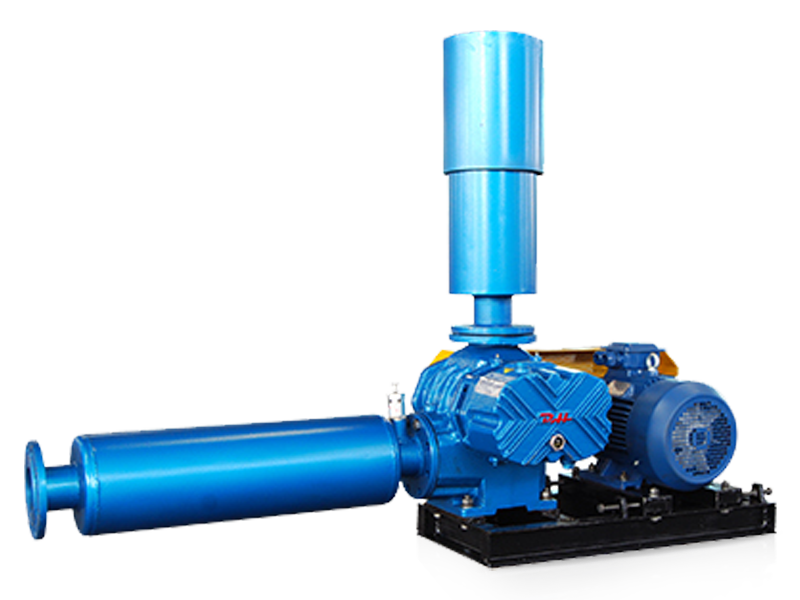
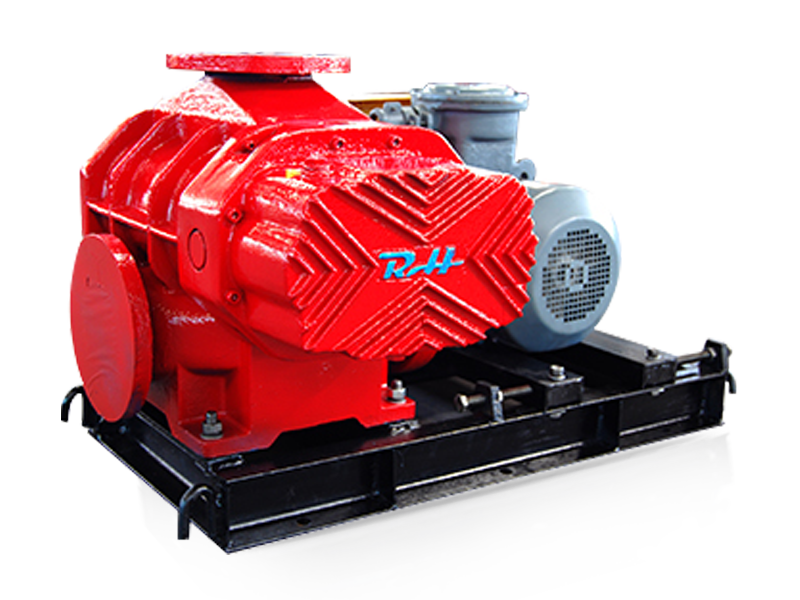
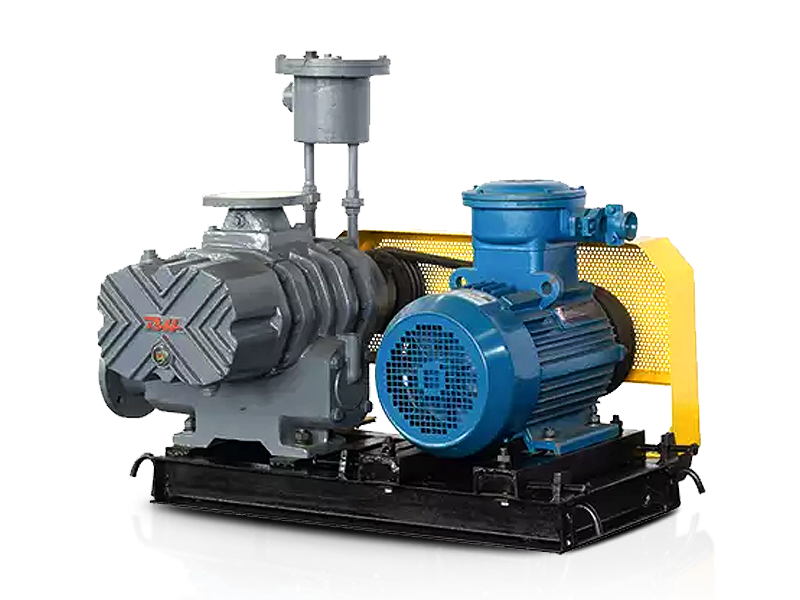
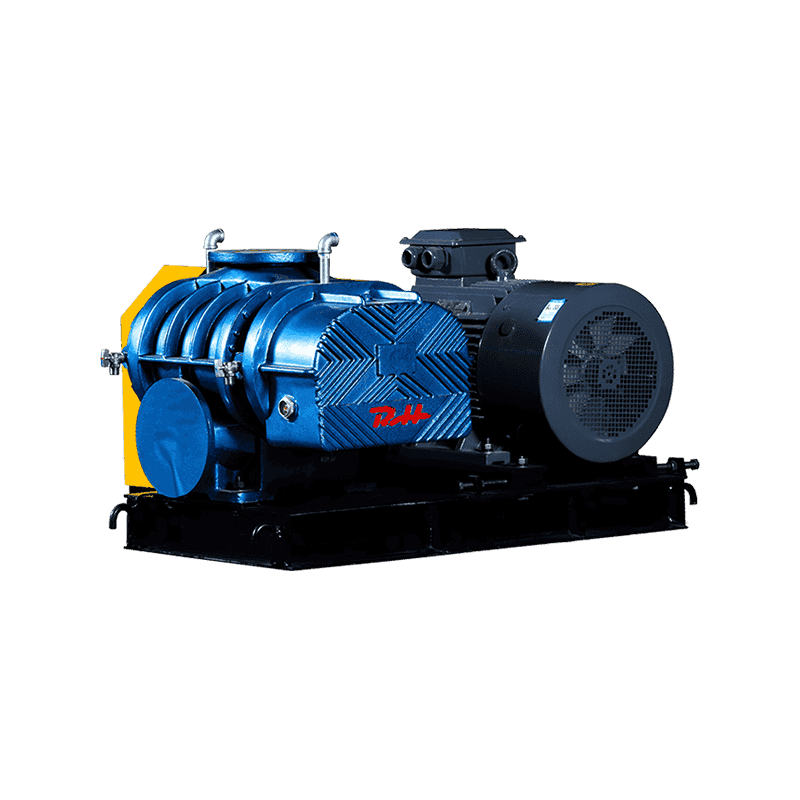
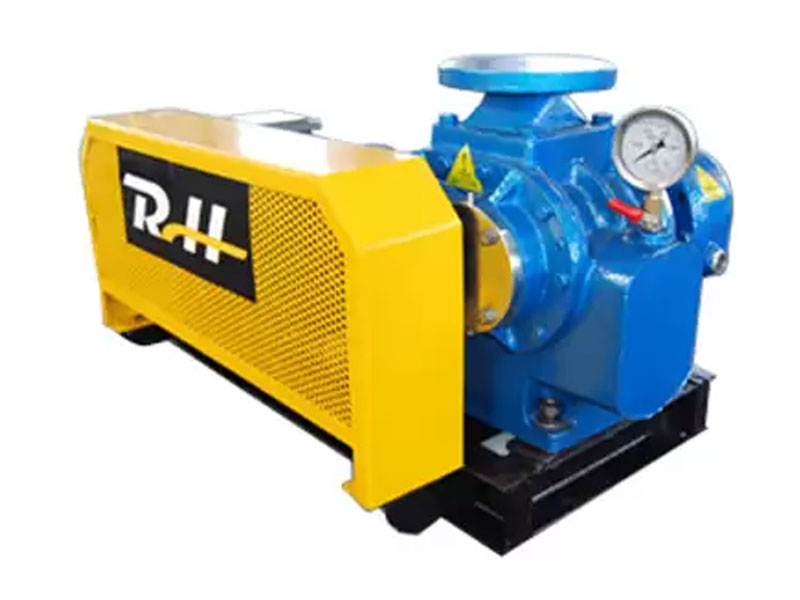
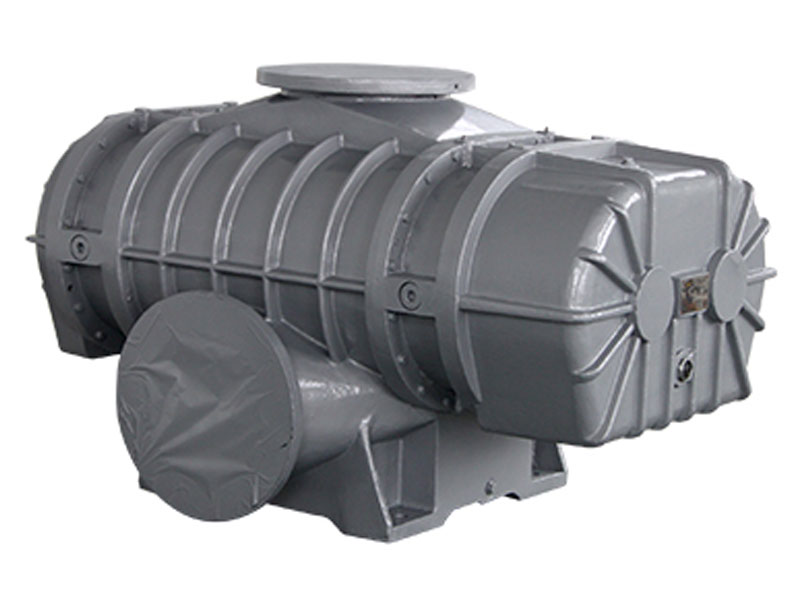
Roots Blowers (Positive Displacement)
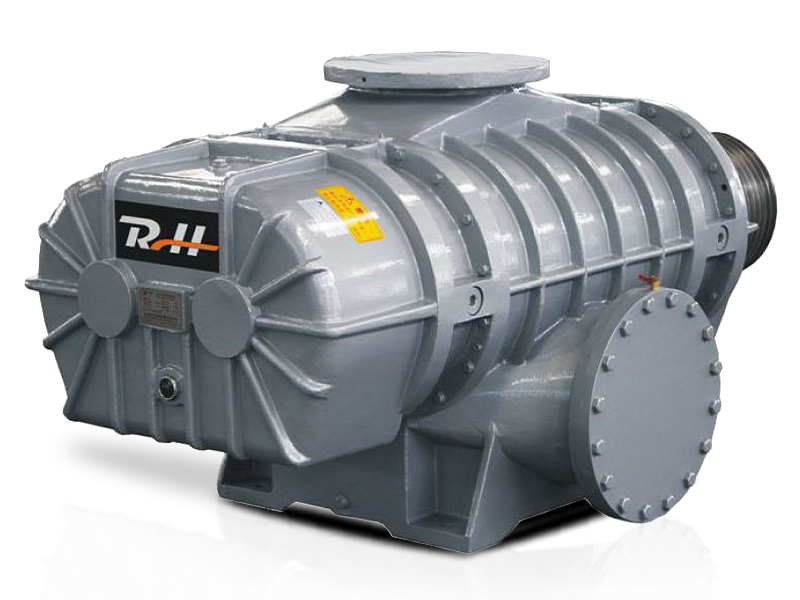
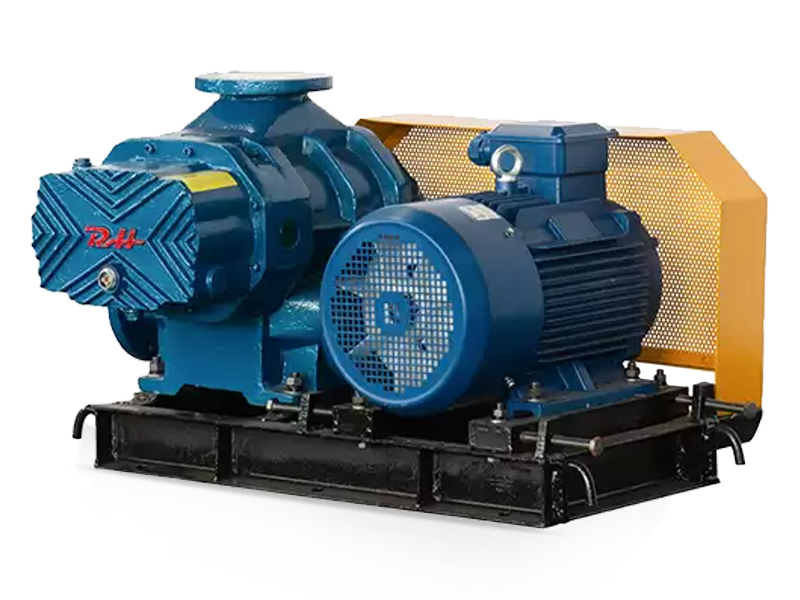
Roots blowers trap air between lobes and move a fixed volume per rotation, making them suitable for consistent airflow applications.
- Stable airflow regardless of pressure changes
- Common in pneumatic conveying and wastewater treatment
- Low internal contact reduces wear
Regenerative (Side Channel) Blowers
Regenerative blowers produce moderate pressure with clean airflow, commonly used where oil-free air is required.
- Quiet operation
- Compact footprint
- Low maintenance
Key Performance Metrics to Evaluate
Understanding technical specifications ensures the blower system matches process requirements.
| Metric | What It Means | Why It Matters |
| CFM | Air volume flow rate | Determines ventilation capacity |
| Static Pressure | Resistance overcome | Affects duct performance |
| Horsepower | Motor power | Energy consumption indicator |
Common Industrial Applications
Industrial blowers serve diverse sectors where air movement is critical.
- Dust collection in woodworking and metal fabrication
- Cooling for furnaces, compressors, and motors
- Drying coatings, food products, and packaging
- Pneumatic material conveying
How to Choose the Right Industrial Blower
Proper blower selection prevents airflow losses and excessive energy costs.
Assess Airflow and Pressure Needs
Calculate required cubic feet per minute and duct resistance to ensure sufficient airflow under load conditions.
Match Material and Environment
Corrosive gases, high temperatures, or dust require stainless steel housings or sealed motors for reliability.
Consider Energy Efficiency
High-efficiency motors and properly sized blowers reduce operating costs significantly over time.
Installation Best Practices
Correct installation improves performance and minimizes vibration issues.
- Align shafts and belts precisely
- Ensure adequate airflow clearance
- Use vibration isolators
Maintenance Strategies for Long-Term Reliability
Routine maintenance prevents downtime and premature component failure.
- Clean impellers and air intakes
- Inspect bearings and belts
- Monitor vibration and noise levels
Improving Efficiency and Reducing Operating Costs
Industrial blower systems consume significant energy, making optimization essential.
Using variable frequency drives allows airflow adjustment based on demand, reducing power draw during low-load periods. Proper duct design with minimal bends further lowers resistance and energy loss.
Troubleshooting Common Blower Issues
Recognizing early warning signs can prevent system failure.
- Reduced airflow indicates clogged filters or worn impellers
- Excessive noise suggests bearing damage
- Overheating points to poor ventilation or overload
Conclusion: Maximizing Value from Industrial Blowers
Industrial blowers are essential for maintaining airflow, temperature control, and process efficiency across manufacturing sectors. Understanding blower types, performance metrics, and maintenance practices allows businesses to invest in the right equipment and lower operating costs.
With proper selection, installation, and upkeep, high-quality industrial air blowers can deliver reliable performance for decades while improving safety and productivity.