 86-0513-68903288
 13906298796@139.com
 русский
 Español
 عربى
عربىContent
Aeration regularly takes the largest single share of a wastewater plant's electricity bill — often more than half of total consumption — and the blowers behind it run around the clock. If your basins are still fed by fixed-speed Roots machines, a meaningful slice of that air is throttled, vented, or over-supplied because the blower cannot follow the plant's real oxygen curve. For this duty, an air suspension blower is the strongest upgrade candidate: when older Roots units are replaced in aeration service, reported energy reductions commonly land in the 30-50% range, with oil-free air and far less noise included.
That conclusion carries conditions. These are single-stage, high-speed machines with a defined pressure and flow window, and their higher purchase price pays back only when energy dominates the cost structure. The sections below cover how the technology works, where the savings come from, what the units actually sound like, which applications fit, and what to verify before signing a purchase order.
How an Air Suspension Blower Works
An air suspension blower is a single-stage centrifugal machine: a high-speed permanent magnet motor spins an impeller directly, with no gearbox and no lubricating oil anywhere in the air path. The defining feature is the shaft support. Instead of rolling-element or oil-film bearings, the rotor is carried by air itself, and two technical routes are used to achieve that.
The first route is the foil air bearing. As the shaft accelerates, its rotation builds a thin, self-pressurized film of air that lifts the rotor off the bearing surface, so the two never touch in steady operation; brief, controlled contact occurs only during start-up and coast-down. Units built on this principle, such as a purpose-designed air bearing turbo blower, are widely favored for aeration because the suspension medium is the same air the machine is already moving.
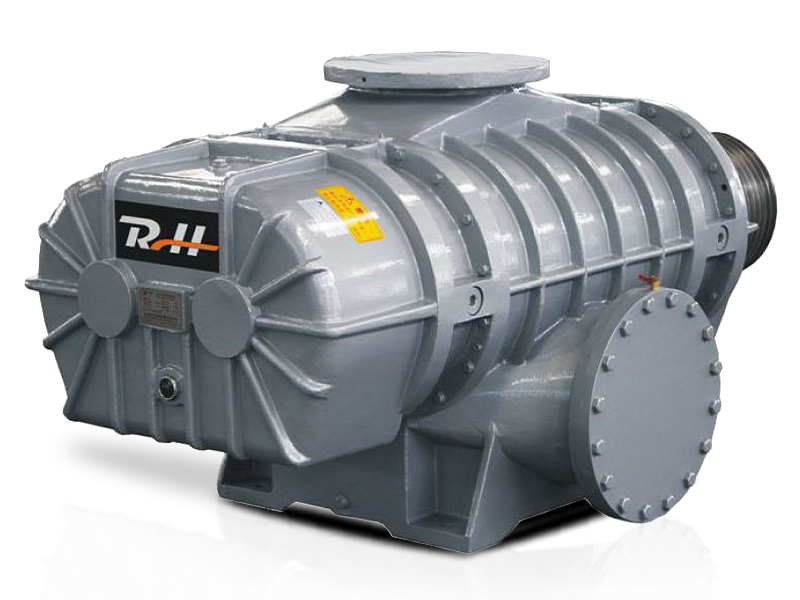
 Air Bearing Turbo Blower for Aeration SystemsThis blower uses foil air bearings that lift the rotor on a self-pressurized air film, avoiding contact during steady operation. Suited to wastewater aeration, it ranges from 25 to 400 HP with a 97% inverter efficiency and no gearbox or bearing oil.View Product →
The second route is magnetic levitation. Electromagnets and position sensors hold the rotor in a calculated equilibrium, corrected thousands of times per second, so there is no contact at any speed — including standstill. A maglev turbo blower therefore avoids touch-down wear entirely, at the cost of more control electronics and a backup power supply that keeps the magnets energized. Both routes eliminate the gearbox, the bearing oil and most of the wear parts that dominate conventional maintenance schedules.
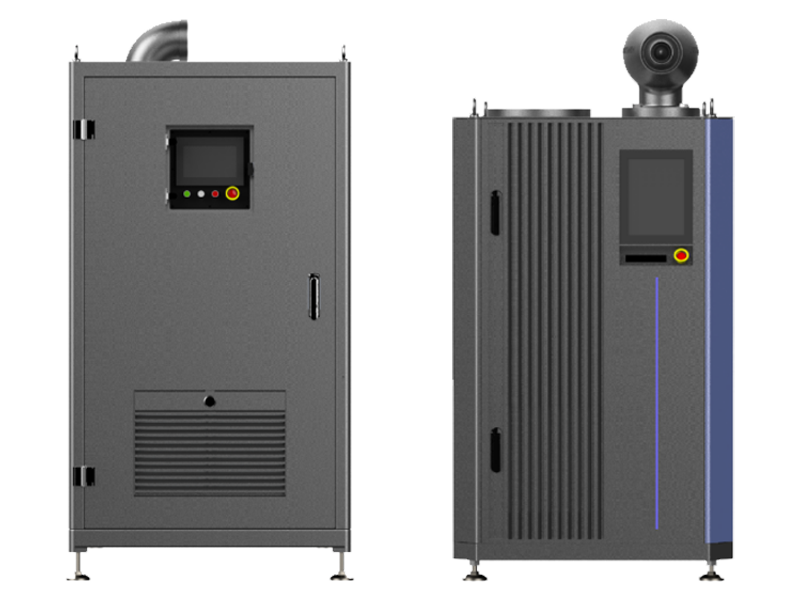 Maglev Turbo Blower with Contact-Free RotationMagnetic levitation bearings hold the rotor without any contact, even at standstill, eliminating touchdown wear and bearing oil. This oil-free, low-vibration design offers intelligent control and efficient variable output for aeration and other industrial uses.View Product →
Where the Energy Savings Actually Come From
Roots blowers are positive-displacement machines. Turn one at fixed speed and it delivers roughly the same volume whether the biology needs it or not. When oxygen demand falls at night or during wet-weather dilution, the surplus is either dumped into the basin or throttled back — the first wastes money as excess air, the second wastes it as artificial resistance.
An air suspension blower responds differently. Its frequency converter tracks the dissolved-oxygen setpoint, and because the machine is centrifugal, power falls steeply as speed drops rather than linearly. Stacked together, the saving comes from four identifiable sources:
- Variable speed matches air output to real oxygen demand instead of producing surplus air that must be vented or throttled.
- No gear transmission and no oil-film bearings to consume power and heat the blower room.
- A high-efficiency impeller and permanent magnet motor hold strong efficiency at the rated operating point.
- Oil-free compression removes downstream filtration losses and any risk of oil carryover into the basin.
One honest caveat: the 30-50% figure is documented where old, oversized or fixed-speed Roots units are replaced on variable aeration loads. If your demand is genuinely flat and the existing machine is well matched, the achievable saving will be smaller — which is why a calculation at your own operating points should come before any purchase.
Noise and Vibration: What to Expect on Site
Staff who have worked beside a Roots installation usually ask about noise first, and here the difference is immediate. An air suspension blower typically sounds closer to a loud conversation or a household vacuum cleaner than to the deep rumble of meshing lobes, and most of what you hear is airflow rather than mechanical roar.
The reasons follow from the construction: no contact between shaft and bearings keeps vibration very low, the direct-drive layout removes gearbox whine, and built-in silencing handles the remaining airborne sound. In practice this means cheaper soundproofing, freedom to site the unit closer to offices or residential boundaries, easier environmental compliance, and more pleasant inspection rounds.
Applications Where They Fit Best
Municipal and industrial wastewater aeration is the flagship application, and fluctuating oxygen demand is exactly where speed-controlled airflow pays best. The same characteristics suit neighboring duties: aquaculture aeration where stable, clean air protects stock; fermentation and food processing that require oil-free air; chemical and environmental engineering lines that need steady process air; and any continuous load where electricity cost per cubic meter of air decides the economics.
Know the limits too. Very high pressure at low flow remains Roots and screw territory. Dusty or aggressive media demand proper intake filtration and material selection, and highly intermittent operation keeps the machine from settling into the steady conditions it was designed around. Match the machine to the duty curve, not the other way round.
Selection Factors That Decide the Payback
Start with the pressure and flow window. Single-stage air suspension units commonly serve pressure rises of roughly 30 to 100 kPa, with high-pressure variants extending further, and frame sizes covering flows from tens to hundreds of cubic meters per minute. Your actual operating point must sit comfortably inside the published performance map, not at its edge — deeper basins or high-resistance systems should be checked specifically against a high-pressure air suspension turbo blower built for energy-saving, eco-friendly operation.
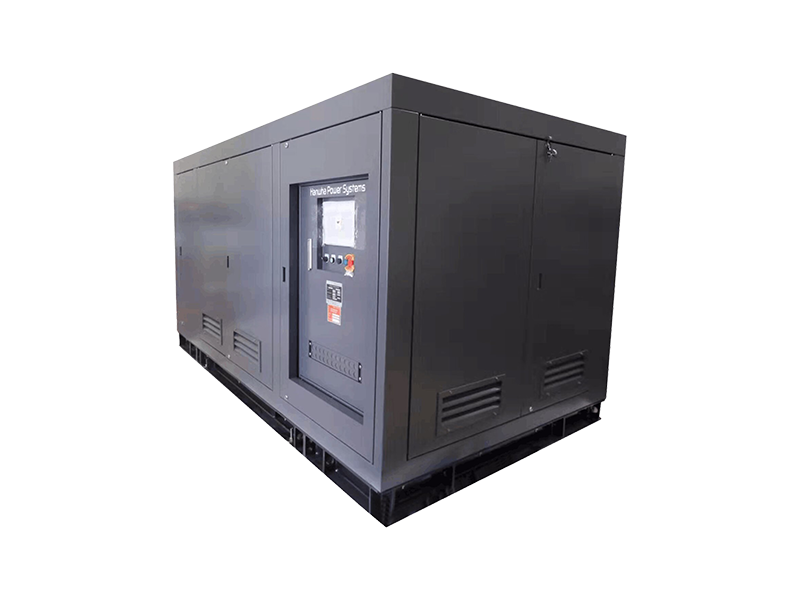 High Pressure Air Suspension Turbo Blower for Energy SavingsFor deeper basins or high-resistance systems, this high-pressure air suspension turbo blower operates in the 30 to 100 kPa range with a PMSM motor exceeding 95% efficiency, delivering significant energy savings over positive-displacement blowers.View Product →
Then work through the control and site factors:
- Turndown range — many units modulate smoothly down to roughly 40-50% of rated speed; confirm the minimum your nighttime demand requires.
- Control integration — the blower should communicate with your dissolved-oxygen instruments and plant PLC rather than run as an island.
- Site conditions — intake air quality, ambient temperature, altitude and converter cooling all affect rated output and service life.
- Lifecycle arithmetic — weigh the purchase price against ten years of energy at your tariff; in continuous aeration, electricity nearly always decides the result.
The table below summarizes how the three common aeration technologies compare:
| Factor | Air suspension turbo blower | Multistage centrifugal blower | Roots blower |
|---|---|---|---|
| Shaft support | Air film or magnetic levitation, no contact | Oil-lubricated bearings with gearing | Timing-gear-driven lobes |
| Oil in the air path | None | Confined to the gearbox | Confined to the gearbox |
| Response to demand swings | Speed control, steep power drop at part load | Moderate, usually throttled | Delivers near-fixed volume regardless of demand |
| Noise and vibration | Low | Moderate | Highest of the three |
| Typical best fit | Continuous aeration with variable demand | Stable mid-range pressure duty | High-pressure, low-flow or constant-load duty |
For a deeper walk-through of specifications, pressure windows and application matching, this complete air suspension blower selection guide covers the details step by step.
Installation, Control and Life After Purchase
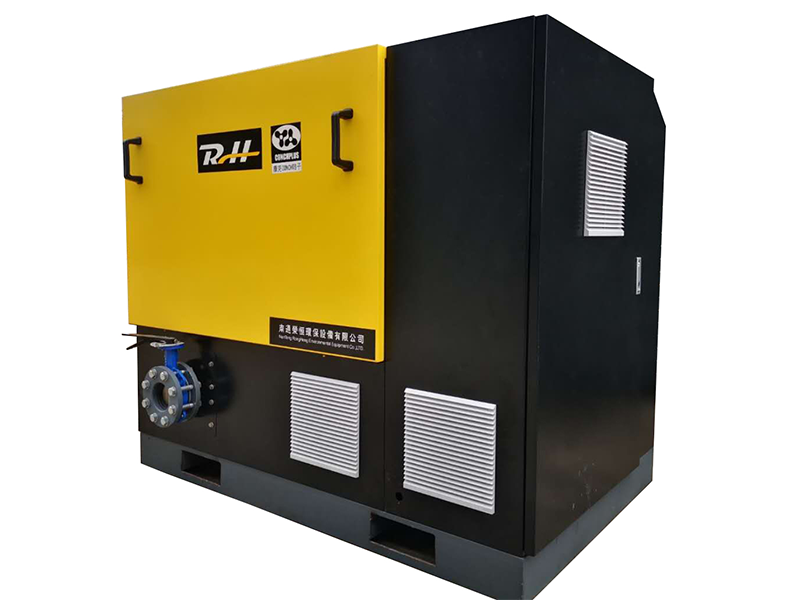
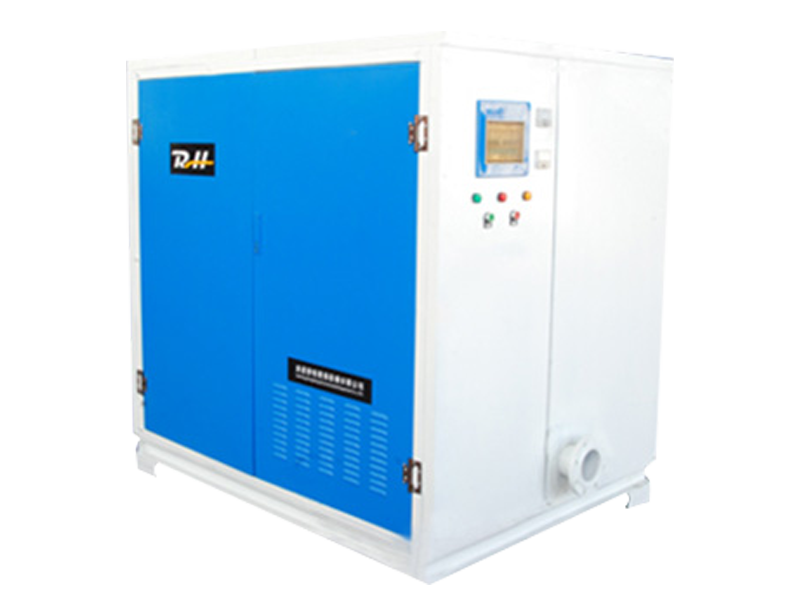
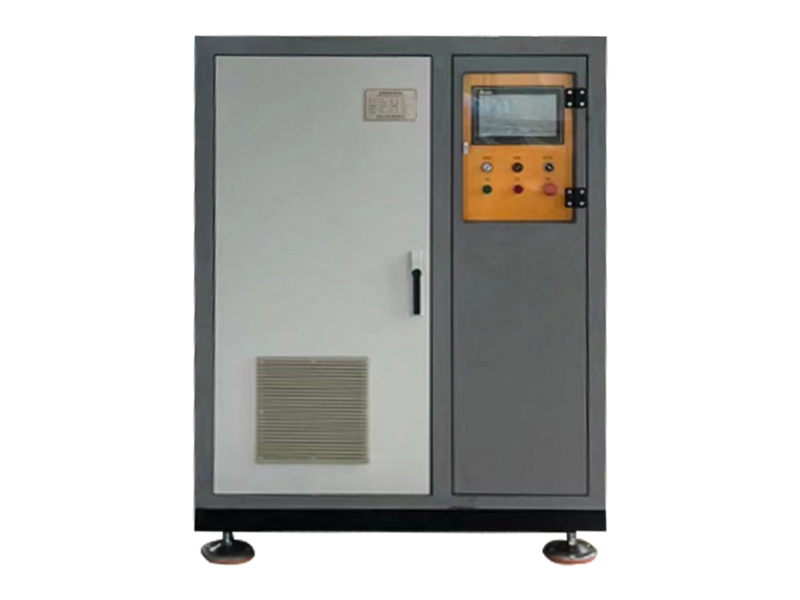
Because the machine is converter-driven, electrical integration deserves as much attention as the blower itself. Depending on plant standards, the unit may be paired with a PLC programmable control cabinet, an instrument cabinet beside the blower, a frequency conversion or soft-start cabinet, and an acoustic enclosure where site noise limits still demand one. Rongheng supplies these matching accessories alongside the blowers and supports commissioning on site, which shortens integration work considerably.
Maintenance is lighter than on conventional machines because the parts that normally wear — bearings, gears, lubricating oil — are gone. The routine shifts to air filter condition, converter cooling, and periodic checks of sensors and the backup power that keeps a maglev rotor suspended. When readings drift from normal, a structured approach beats guesswork; this guide to troubleshooting common air suspension blower problems works through the usual suspects in order.
Weigh after-sales support as part of the purchase too. A supplier's service record says more than any brochure: Rongheng documents scheduled return visits to customer sites running its air suspension blowers, alongside installation and commissioning support for larger oil-free equipment projects — the kind of follow-through a machine running 24/7 depends on.
The decision rule is simple to state. If your blowers run continuously against a moving oxygen demand, air suspension technology usually wins the ten-year calculation on energy alone, with quieter operation and lighter maintenance as secondary gains. If the duty is high-pressure, low-flow or essentially constant, the older technologies remain rational choices. Get performance curves plotted at your real operating points, ask for an energy comparison at your tariff, and confirm who will answer the phone in year three — those three checks separate a sound purchase from an expensive one.