 86-0513-68903288
 13906298796@139.com
 русский
 Español
 عربى
عربىContent
- 1 What is an Air Suspension Blower
- 2 Key Operating Principles and Technology
- 3 Industrial Applications and Use Cases
- 4 Performance Specifications and Selection Criteria
- 5 Advantages Over Conventional Blower Technologies
- 6 Installation and Operational Considerations
- 7 Maintenance Best Practices and Troubleshooting
- 8 Economic Analysis and Return on Investment
- 9 Future Developments and Technology Trends
What is an Air Suspension Blower
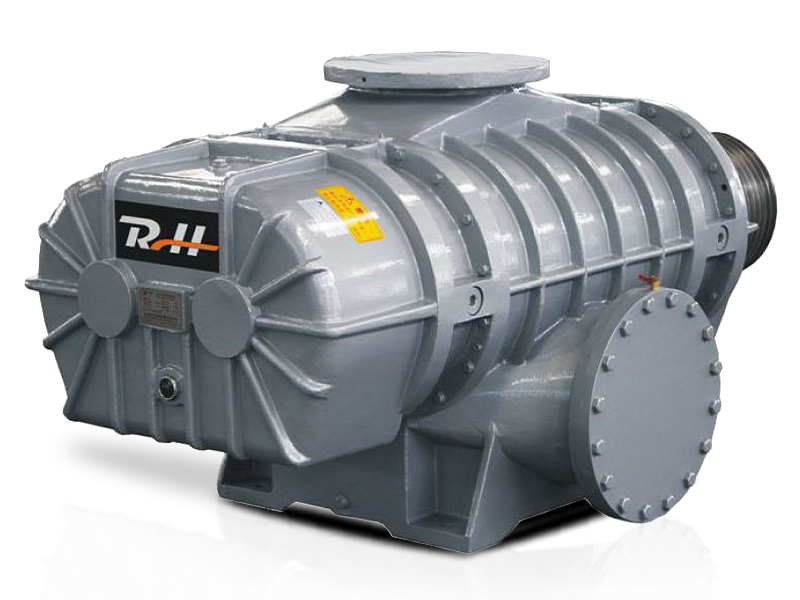
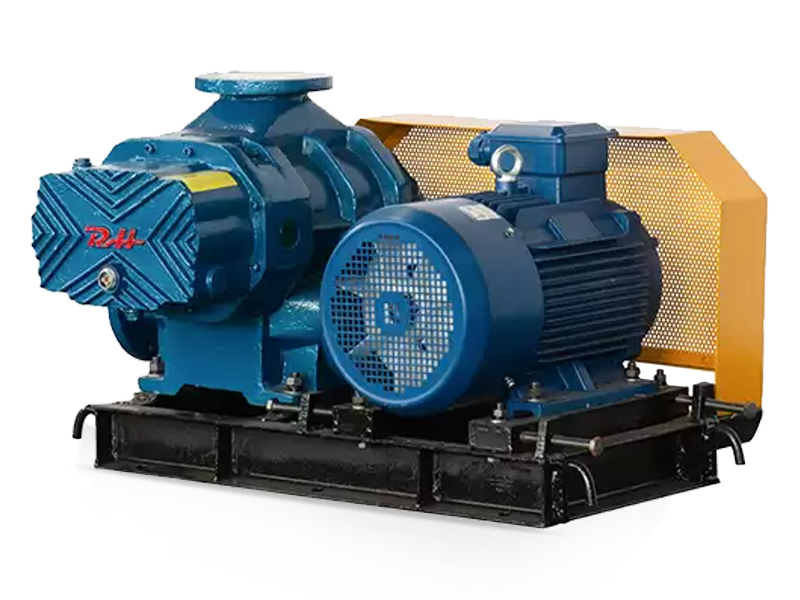
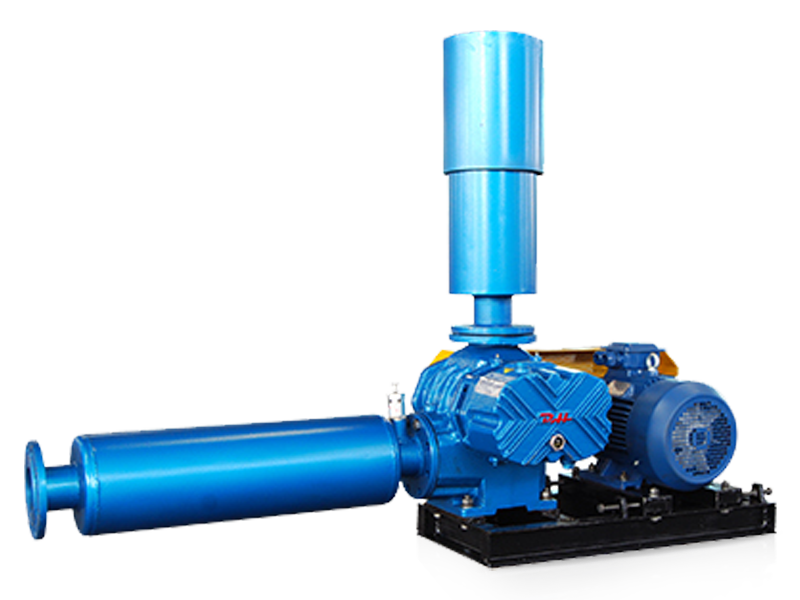
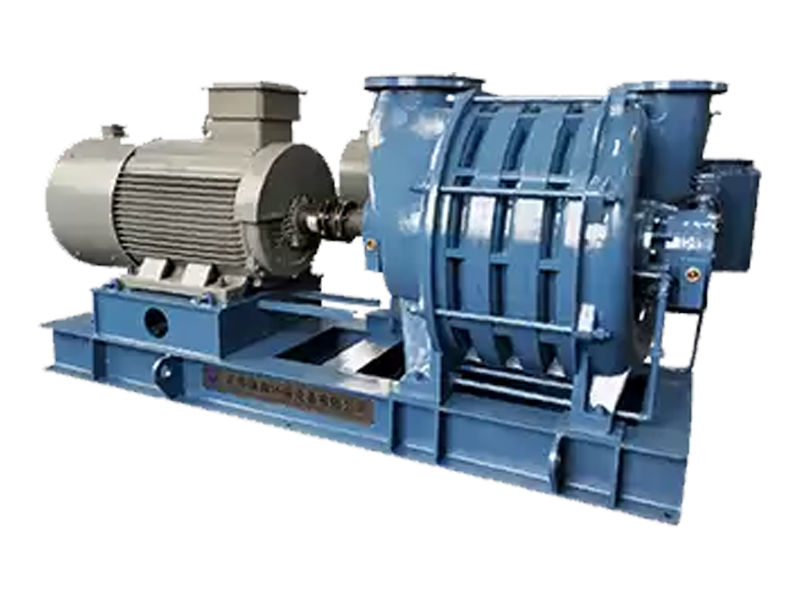
An air suspension blower is a high-efficiency centrifugal blower that uses air bearings instead of traditional mechanical bearings, eliminating friction and enabling oil-free operation. These advanced systems generate a thin air film between the rotating shaft and bearing surface, allowing the impeller to spin at speeds exceeding 20,000 RPM with minimal energy loss. Industries ranging from wastewater treatment to pneumatic conveying have adopted this technology for its superior efficiency, with energy savings of 30-50% compared to conventional blowers.
The core advantage lies in the magnetic or air-levitated bearing system that completely eliminates physical contact during operation. This design reduces maintenance requirements by up to 70% and extends equipment lifespan to 20+ years under proper operating conditions. Unlike traditional blowers requiring frequent oil changes and bearing replacements, air suspension blowers operate continuously with minimal intervention, making them ideal for critical applications in pharmaceutical manufacturing, food processing, and semiconductor production where contamination risks must be eliminated.
Key Operating Principles and Technology
Air Bearing Technology
The air suspension mechanism operates through pressurized air supplied to the bearing surface at 5-7 bar pressure, creating a microscopic gap of 5-10 micrometers. This air film supports the rotating shaft completely, allowing frictionless operation even at rotational speeds reaching 40,000 RPM in advanced models. The bearing system automatically adjusts to load variations, maintaining optimal clearance through sophisticated pressure regulation and monitoring systems.
Variable Frequency Drive Integration
Modern air suspension blowers incorporate variable frequency drives (VFDs) that precisely match motor speed to actual demand. This integration enables real-time flow adjustment from 40% to 100% capacity without throttling losses, resulting in substantial energy savings during partial load operation. The VFD system monitors parameters including discharge pressure, temperature, and vibration levels, automatically optimizing performance while protecting equipment from harmful operating conditions.
Industrial Applications and Use Cases
Air suspension blowers serve diverse industrial sectors where clean, reliable air delivery is essential:
- Wastewater Treatment: Provides aeration for biological treatment processes, with installations handling 500-50,000 m³/h flow rates at 50-100 kPa pressure
- Pneumatic Conveying: Transports powdered materials including cement, flour, and plastic pellets over distances up to 300 meters with minimal product degradation
- Vacuum Packaging: Creates vacuum conditions for food preservation, pharmaceutical packaging, and electronics manufacturing at vacuum levels reaching 500 mbar
- Aquaculture: Delivers oxygen-rich air to fish farms and hatcheries, maintaining dissolved oxygen levels above 6 mg/L for optimal growth conditions
- Industrial Drying: Provides high-volume heated air for drying processes in textile, paper, and chemical industries
A municipal wastewater treatment facility in Germany reported annual energy cost reductions of €45,000 after replacing six 75 kW rotary lobe blowers with three 55 kW air suspension units, while simultaneously improving dissolved oxygen control accuracy from ±0.5 mg/L to ±0.2 mg/L.
Performance Specifications and Selection Criteria
| Specification Parameter | Typical Range | Considerations |
|---|---|---|
| Flow Capacity | 10-5,000 m³/min | Match to peak demand with 10-15% margin |
| Discharge Pressure | 30-120 kPa | Account for system resistance and elevation |
| Motor Power | 15-500 kW | Higher efficiency at optimal load points |
| Noise Level | 65-80 dBA | 20 dBA quieter than traditional blowers |
| Efficiency Rating | 80-90% | Verify at expected operating conditions |
| Ambient Temperature | -10°C to 45°C | Derating required above 40°C |
Sizing Methodology
Proper sizing requires detailed analysis of system demand patterns over time. For wastewater applications, calculate Standard Oxygen Transfer Rate (SOTR) requirements based on peak organic loading conditions plus a 20% safety factor. Consider seasonal temperature variations, as oxygen transfer efficiency decreases approximately 2% per degree Celsius above 20°C. Pneumatic conveying applications demand precise calculation of material velocity requirements, typically 15-25 m/s for dense phase and 20-35 m/s for dilute phase transport, directly affecting pressure and flow specifications.
Advantages Over Conventional Blower Technologies
Comparative analysis reveals quantifiable benefits that justify the higher initial investment:
- Energy Efficiency: Adiabatic efficiency of 85-90% versus 70-75% for rotary lobe blowers, translating to 30-40% lower operating costs over equipment lifetime
- Maintenance Reduction: Annual maintenance costs average $500-1,500 compared to $5,000-12,000 for traditional positive displacement blowers requiring oil changes, filter replacements, and bearing servicing
- Oil-Free Operation: Eliminates contamination risk entirely, critical for food-grade applications and preventing downstream equipment fouling
- Compact Footprint: Installation space requirements 40-60% smaller than equivalent capacity conventional systems
- Precise Control: VFD integration enables 1% flow accuracy versus 5-10% variation in mechanically controlled systems
A cement plant in Texas documented payback period of 2.3 years after installing air suspension blowers for their pneumatic conveying system, primarily through reduced energy consumption of 320 MWh annually and elimination of quarterly maintenance shutdowns previously costing $18,000 in lost production.
Installation and Operational Considerations
Environmental Requirements
Air suspension blowers demand clean, dry air for both process delivery and bearing operation. Install inlet filtration capable of removing particles down to 10 microns with 99.5% efficiency to prevent impeller erosion and bearing contamination. Relative humidity should remain below 60% to avoid condensation risks within the bearing system. Ensure adequate ventilation providing at least 12 air changes per hour in the equipment room, as heat rejection from a 100 kW unit approximates 8-12 kW requiring removal to maintain optimal operating temperatures.
Foundation and Vibration Control
Despite minimal vibration output (typically under 3 mm/s RMS), proper foundation design prevents resonance issues. Install on reinforced concrete pads minimum 150mm thick with isolation mounts rated for the equipment weight plus 50% safety margin. Level the mounting surface within 0.5mm per meter to ensure proper bearing alignment. Flexible pipe connections on both inlet and discharge absorb thermal expansion and isolate piping vibration from affecting blower performance.
Control System Integration
Modern installations integrate with SCADA systems via Modbus TCP, Profibus, or proprietary protocols providing real-time monitoring of 40+ operational parameters. Configure alarms for bearing temperature exceeding 70°C, discharge temperature above 120°C, and vibration levels surpassing 4.5 mm/s. Implement automatic shutdown sequences protecting equipment during power failures or process upsets, with restart delays preventing rapid cycling that stresses motor windings and bearing surfaces.
Maintenance Best Practices and Troubleshooting
Although marketed as maintenance-free, systematic inspection protocols maximize reliability and service life:
- Monthly: Inspect inlet filter differential pressure (replace when exceeding 50 mbar), verify cooling air flow, check for unusual noise or vibration patterns
- Quarterly: Analyze vibration spectrum for bearing wear indicators, thermal imaging of motor windings, verify VFD parameter settings match process requirements
- Annually: Comprehensive performance testing comparing flow and pressure against baseline values, insulation resistance testing of motor windings (minimum 100 megohms), inspection of electrical connections for corrosion or looseness
- Tri-annually: Factory-authorized inspection of bearing surfaces and impeller condition, VFD capacitor replacement as preventive measure
Common Issues and Solutions
Performance degradation typically stems from preventable causes. Reduced flow output often indicates inlet filter clogging or downstream restriction development rather than blower malfunction. Elevated bearing temperatures above 65°C suggest inadequate cooling air supply or contamination affecting the air film. Unusual noise development warrants immediate investigation, as foreign object ingestion can damage impellers within hours, requiring costly repairs averaging $8,000-15,000 for complete impeller and bearing replacement.
Economic Analysis and Return on Investment
Total cost of ownership calculations must extend beyond purchase price to encompass operational expenses over the 15-20 year expected service life. A typical 75 kW air suspension blower operating 8,000 hours annually at $0.12/kWh electricity cost consumes approximately $72,000 in energy yearly. Efficiency improvements of 35% versus conventional technology save $25,200 annually, offsetting the typical $15,000-25,000 price premium within 1-2 years.
| Cost Category | Air Suspension Blower | Rotary Lobe Blower | 10-Year Difference |
|---|---|---|---|
| Initial Investment | $55,000 | $35,000 | -$20,000 |
| Energy Costs (10 years) | $468,000 | $720,000 | +$252,000 |
| Maintenance Costs | $12,000 | $85,000 | +$73,000 |
| Downtime Costs | $5,000 | $35,000 | +$30,000 |
| Total 10-Year Cost | $540,000 | $875,000 | +$335,000 |
Additional benefits include improved process control reducing raw material waste, lower noise levels eliminating expensive acoustic enclosures, and reduced carbon footprint supporting corporate sustainability initiatives increasingly valued by stakeholders and regulatory bodies.
Future Developments and Technology Trends
The air suspension blower market continues evolving with innovations addressing current limitations and expanding application possibilities. Predictive maintenance algorithms utilizing machine learning analyze operational data patterns to forecast component failures 30-60 days in advance, enabling planned interventions rather than emergency repairs. Advanced materials including carbon fiber composite impellers reduce rotational inertia by 25%, enabling faster response times and improved energy efficiency during load transients.
Integration with Internet of Things (IoT) platforms provides cloud-based monitoring accessible via mobile devices, while blockchain-based service records ensure maintenance history integrity for regulatory compliance documentation. Manufacturers are developing hybrid systems combining air bearings with magnetic assist during startup, eliminating the auxiliary systems currently required for bearing pressurization before reaching self-sustaining operation speed. These advances promise to further reduce total cost of ownership while expanding the operational envelope to higher pressures exceeding 150 kPa and flow rates surpassing 10,000 m³/min.