 86-0513-68903288
 13906298796@139.com
 русский
 Español
 عربى
عربىContent
Choose the wrong blower and you'll spend years fighting noise complaints, unplanned shutdowns, and inflated energy bills. Choose the right one—specifically the right Roots blower for your pressure and flow requirements—and it runs quietly in the background for decades. Here's what you actually need to know to make a smart decision.
How Roots Blowers Work (The Short Version)
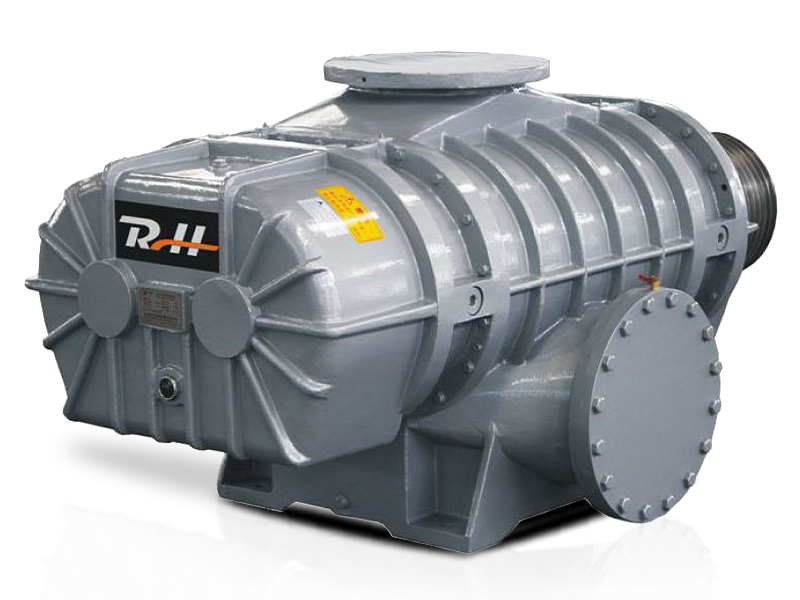
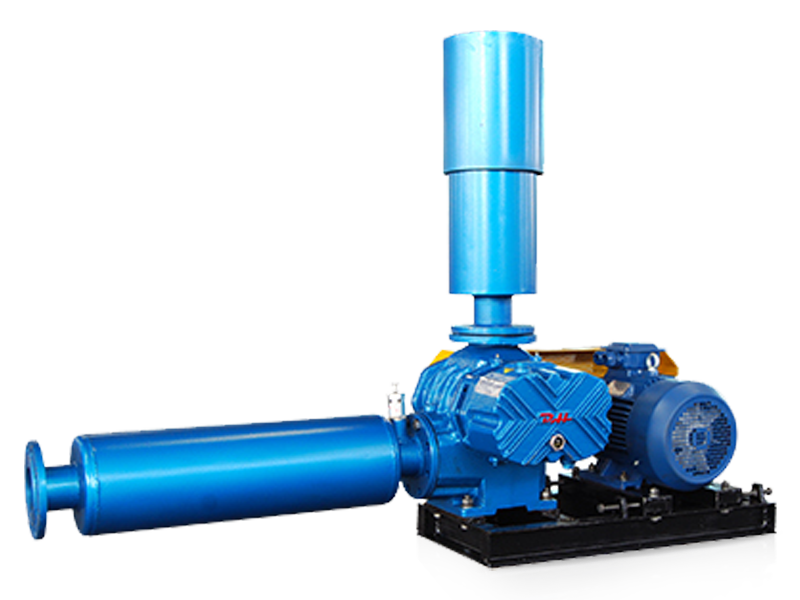
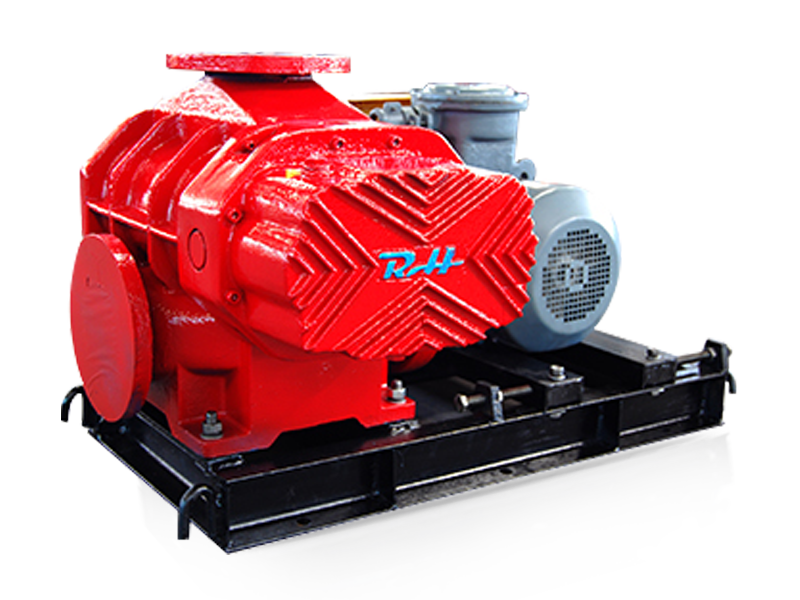
A Roots blower is a positive displacement machine. Two counter-rotating lobed rotors trap a fixed pocket of gas between themselves and the casing, then push it from the inlet to the outlet without internal compression. Because there's no metal-to-metal contact between the rotors, no lubrication is needed in the airstream—making the output clean by design.
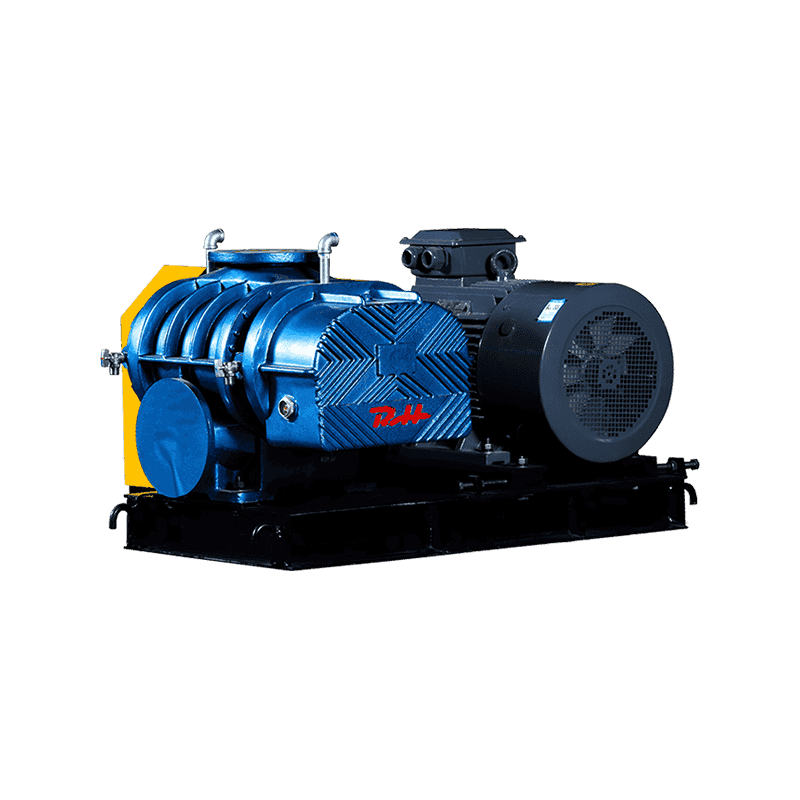
The two main configurations are bi-lobe and tri-lobe. Tri-lobe designs (three-lobed rotors) dominate modern industrial installations because they produce lower pulsation, less vibration, and significantly quieter operation than their bi-lobe predecessors. Most of the products you'll encounter today are tri-lobe.
Key Specs That Actually Matter
Before comparing models, get clear on three numbers: flow rate, pressure rise, and operating speed. Standard Roots blowers cover a wide range. For example, the aeration blower used in wastewater treatment operates from 0.6 to 713.8 m³/min flow rate, with a pressure rise of 9.8–98 kPa and applicable speeds of 500–2000 RPM. That's a broad envelope, and matching your system's demand curve to it is what separates efficient operation from constant pressure-relief valve chatter.
For higher pressure requirements—say, pneumatic conveying over longer distances—a two-stage series configuration capable of 58.8–200 kPa solves problems a single-stage unit simply can't handle. Know your target pressure before you specify anything else.
Choosing the Right Variant for Your Application
The standard blower handles general-purpose duties well. But industrial environments rarely fit a single mold, which is why the product family branches into several specialized variants:
- Wastewater aeration: The dedicated wastewater treatment model is sized for continuous 24/7 duty cycles and includes water-cooling switching at 90°C (corresponding to 58.8 kPa pressure), protecting the unit during high-load summer peaks.
- Pneumatic conveying: The pneumatic conveying Roots blower handles the pulsating demand of dense-phase and dilute-phase transport systems across cement, food processing, and plastics applications.
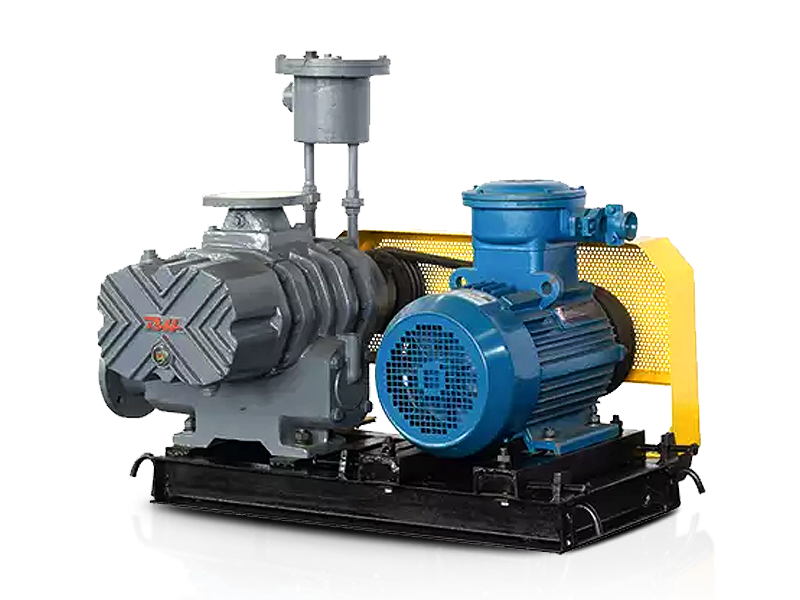
- Hazardous environments: The explosion-proof Roots blower rated EX DⅡ BT4 / CT4 is the only compliant choice when flammable gases or dusts are present. Using a standard unit here isn't a cost-saving measure—it's a liability.
- Corrosive media: Chemical plants handling acid gases or coastal installations exposed to salt air need the anti-corrosion variant built for aggressive chemical environments.
- Extreme temperature and pressure: Some processes run well beyond standard limits. The high-temperature, high-pressure Roots blower tolerates up to 500°C and 1.2 MPa—specifications most blowers can't approach.
Noise, Installation, and Accessories
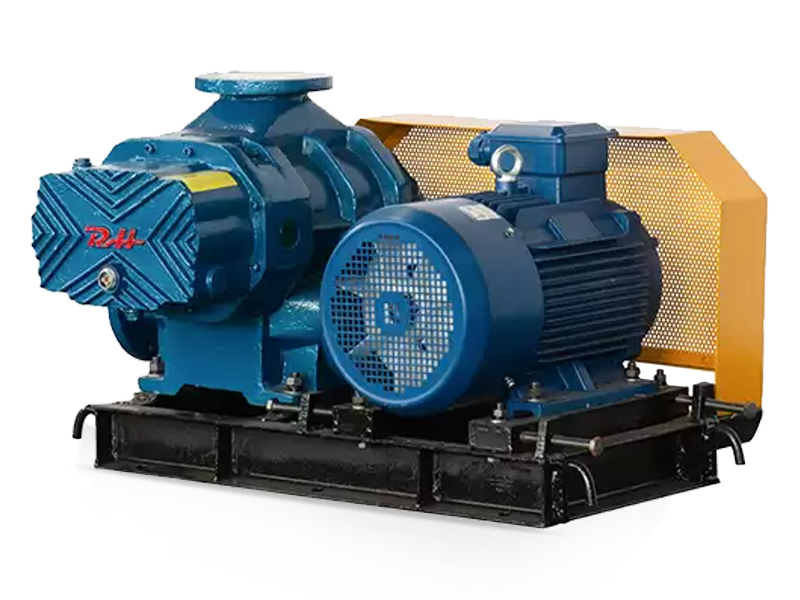
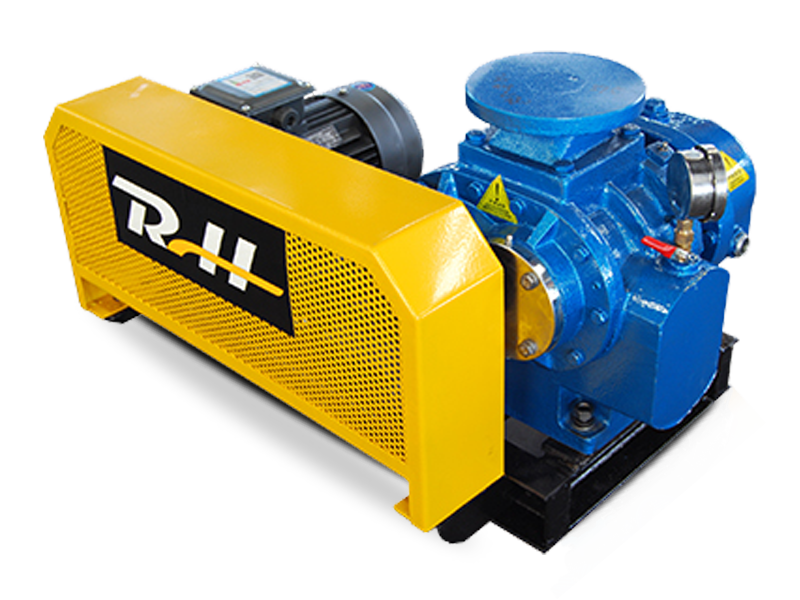
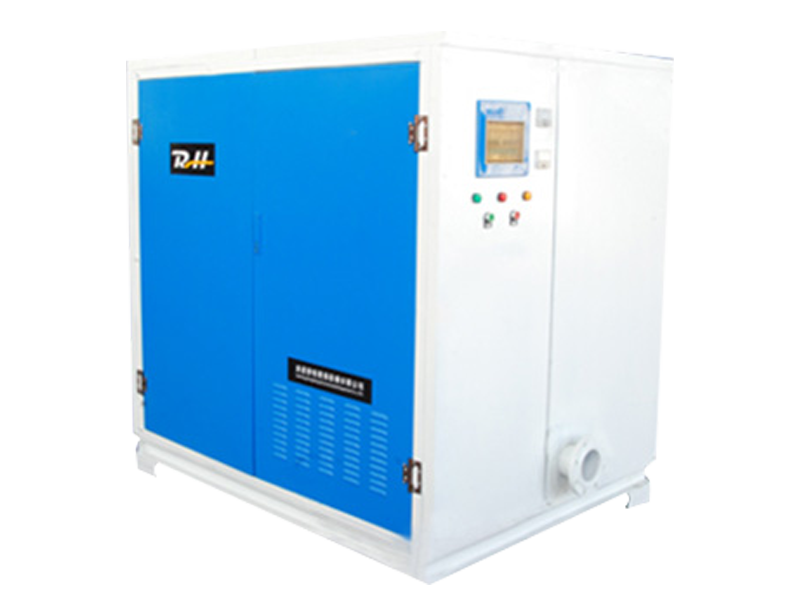
Roots blowers are louder than centrifugal machines at the same flow rate. A well-specified package unit solves this. The packaged blower unit with integrated control cabinet includes acoustic enclosure bringing noise below 77 dB at 1 meter—acceptable for most facility environments without additional soundproofing. Rated at 3–11 kW with a flow capacity of 4.5–7 m³/min, it covers small- to medium-scale water treatment and industrial air supply needs out of the box.
For installations requiring tight process control, pairing a frequency conversion starting cabinet or PLC control system with the blower allows variable speed operation—cutting energy consumption at partial load instead of throttling and wasting pressure.
When a Roots Blower Is Not the Right Answer
Roots blowers excel at low-to-medium pressure (up to ~98 kPa in single stage) with consistent, pulsation-tolerant flow. They are not the best choice for applications demanding very high pressure ratios, oil-free compression above 200 kPa, or extremely low noise at large scales. In those cases, an oil-free screw blower with internal compression or an air suspension turbo blower for high-efficiency large-volume applications typically delivers better total cost of ownership.
Knowing the limits of a technology is just as useful as knowing its strengths. Match the blower type to the application, not the budget line.
Maintenance That Keeps Roots Blowers Running
Tri-lobe Roots blowers are among the lowest-maintenance positive displacement machines in industrial service. No internal compression means no valves to wear. Routine tasks include checking gear oil levels (typically every 2,000 hours), inspecting timing gears for wear, monitoring bearing temperature, and replacing inlet filter elements on schedule. The submersible variant installed directly in aeration tanks eliminates the piping runs that often become maintenance headaches in conventional surface-mounted configurations.
Overheating is the most common failure mode. If discharge temperature climbs abnormally, check the pressure differential first—running above the rated pressure rise forces the blower to work harder than its design allows and accelerates seal and gear wear.