 86-0513-68903288
 13906298796@139.com
 русский
 Español
 عربى
عربىContent
A municipal wastewater treatment plant recently replaced three 75 kW three-lobe roots blowers with two 75 kW air suspension turbo blowers. In the first full month of operation, aeration energy consumption fell by 31 percent, the quarterly oil change disappeared from the maintenance plan, and average noise on the blower floor dropped by 11 dB(A).
That result is not an isolated case. It is the normal pattern when a fixed-speed positive displacement blower is swapped for a high-speed variable-speed centrifugal machine on a duty that changes through the day. The conclusion is direct: if your process needs continuous low-pressure air and the load varies, an air suspension turbo blower offers the lowest total cost of ownership over a ten-year horizon, despite a purchase price higher than a roots blower. The sections below explain how the equipment works, where its operating cost advantages come from, which applications fit the technology, and what to verify before you order.
What Is an Air Suspension Turbo Blower?
An air suspension turbo blower is a single-stage centrifugal blower in which a high-speed permanent magnet motor drives a three-dimensional impeller directly on a common shaft. The rotating assembly floats on a film of air inside foil bearings, so there is no metal-to-metal contact, no oil circuit, and no gearbox. Typical rotor speed ranges from 20,000 to 50,000 rpm, and the machine normally covers a pressure rise of roughly 30 to 150 kPa depending on the impeller and motor selection.
The decisive difference from a three-lobe roots blower is that an air suspension turbo blower is a variable-speed machine. A roots blower displaces a fixed volume of air per revolution, so at constant speed it moves nearly the same flow whether the process needs it or not, and excess air is vented or recirculated. In the turbo blower, a PLC adjusts motor speed continuously against a pressure or dissolved oxygen setpoint. That speed matching is precisely what creates the high efficiency at partial load.
How Air Suspension Turbo Blowers Generate Airflow
The technology looks advanced, but it relies on four mature components that have been refined through years of continuous industrial service.
Air foil bearings
Foil bearings are the core of the design. The shaft rests on a thin layer of air dragged into a wedge between the rotating journal and a flexible foil surface. Once the rotor is spinning, the air film carries the full radial load. There is no oil, no seal oil system, and no lubrication filter to maintain. In normal operation, contact between moving parts occurs only during start-up and shut-down at very low speed, and the foil surface is specially coated to handle those transient events. Field experience indicates that bearing life depends more on inlet air cleanliness and the number of start-stop cycles than on accumulated running hours.
High-speed permanent magnet motor
The motor rotor is mounted on the same shaft as the impeller instead of driving it through gears or belts. A permanent magnet rotor is smaller and lighter than an equivalent induction rotor, its efficiency holds above 95 percent across a wide speed range, and the machine can accelerate from standstill to rated speed in tens of seconds. Removing the gearbox also removes one of the main noise and wear sources present in multistage centrifugal blowers.
Impeller and intelligent control
The three-dimensional machined impeller is designed to produce a high pressure ratio in a single stage. Flow is adjusted by changing speed, and the control system protects the machine against surge, monitors filter pressure drop, tracks motor and bearing temperatures, and can communicate with a plant SCADA network. Pressure, flow, power consumption, and alarm codes are all available locally and through remote links.
For a closer look at the construction and operating envelope of this machine family, the air bearing turbo blower page lists representative specifications and the available control options.
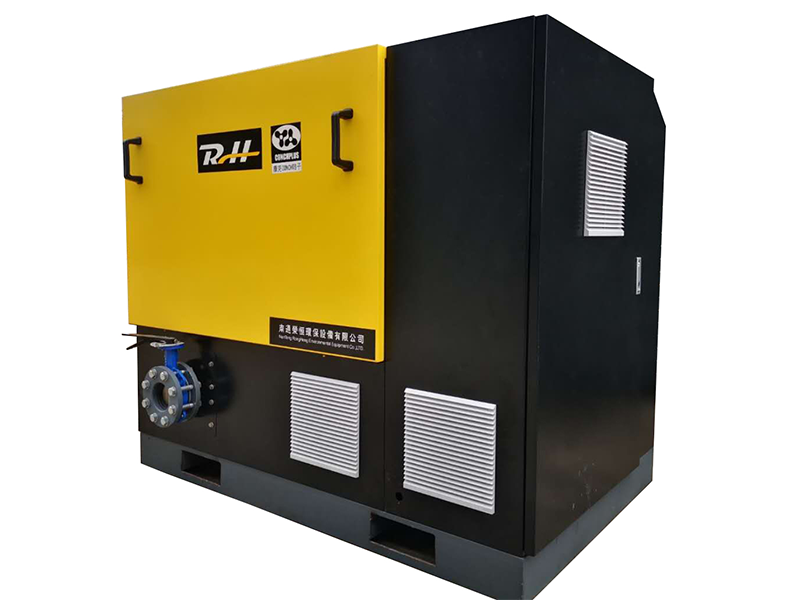
 Air Bearing Turbo Blower Suppliers, Company - Nantong Rongheng Environmental EquNantong Rongheng - China Wholesale Air Bearing Turbo Blowers Suppliers and Company,Air Bearing Turbo Blower Design And Manufacturing, Eff...View Product →
Measured Benefits: Energy, Maintenance, and Noise
Industry reporting usually quotes 30 to 50 percent energy savings compared with a constant-speed roots blower, and that range is realistic when the plant runs at partial load for a meaningful part of the day. Wastewater aeration is the clearest example: oxygen demand is low at night and high during the day, so a blower that matches speed to demand turns a fixed-airflow, energy-intensive process into a genuinely variable one.
The maintenance economy is easier to calculate. A roots blower requires oil changes, belt checks, gearbox inspection, and periodic valve service. An air suspension turbo blower has one primary wear item, the inlet filter, plus cooling fan checks and sensor calibration. With no oil anywhere in the machine, the risk of oil carryover into process air also disappears, which matters in food plants and near instrumentation air systems.
Noise is a third measurable difference. An enclosed 75 kW air suspension turbo blower commonly runs in the 75 to 85 dB(A) range measured at one meter, while an equivalent roots blower with an acoustic enclosure is often 90 to 100 dB(A). Lower noise reduces the need for a separate blower building and makes shift work near the equipment more comfortable.
| Feature | Three-lobe roots blower | Multistage centrifugal blower | Air suspension turbo blower |
|---|---|---|---|
| Flow principle | Positive displacement | Dynamic, multiple stages | Dynamic, single high-speed stage |
| Partial-load efficiency | Low, fixed flow with vented air | Moderate, throttle or inlet vane | High, motor speed matches load |
| Oil system | Oil-lubricated gears and bearings | Oil-lubricated gearbox | Oil-free foil bearings |
| Typical noise at one meter | 90 to 100 dB(A) with enclosure | 85 to 95 dB(A) | 75 to 85 dB(A) |
| Maintenance items | Oil, belts, gears, valves | Gearbox oil, seals | Inlet filter, sensor checks |
| Turndown capability | Narrow, by valve or bypass | Limited | Wide, by variable speed |
Applications That Fit the Technology
Wastewater treatment and water aeration are the largest installed base for air suspension turbo blowers, for the same load-matching reason described above. The technology is equally common in aquaculture oxygenation, pneumatic conveying of cement and plastic pellets, power plant ash handling, chemical processing, cement plant fluidization, and food and beverage processes that require oil-free air. An overview of the application fields of air suspension turbo blowers summarizes the main industrial segments and their typical load profiles.
Not every application needs turbo speed control. If a plant runs one blower at full load around the clock, a simpler machine can be the more economical choice. The turbo blower earns its premium when the duty cycle varies, when industrial electricity rates are high, or when the site has limited maintenance staff. When those conditions apply, both principal variants deserve attention: the maglev turbo blower is favored when the plant wants active damping and clearance control, while the air bearing version keeps the machine completely oil-free with fewer electronic control components.
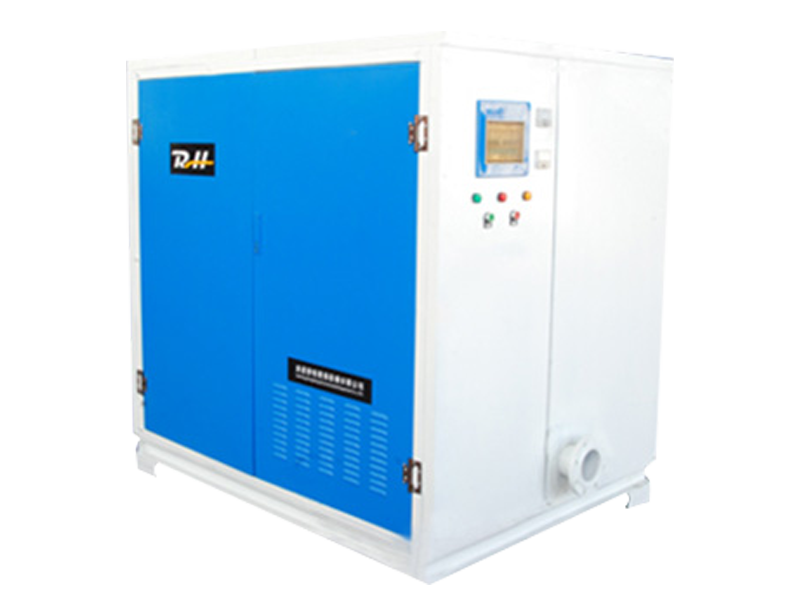
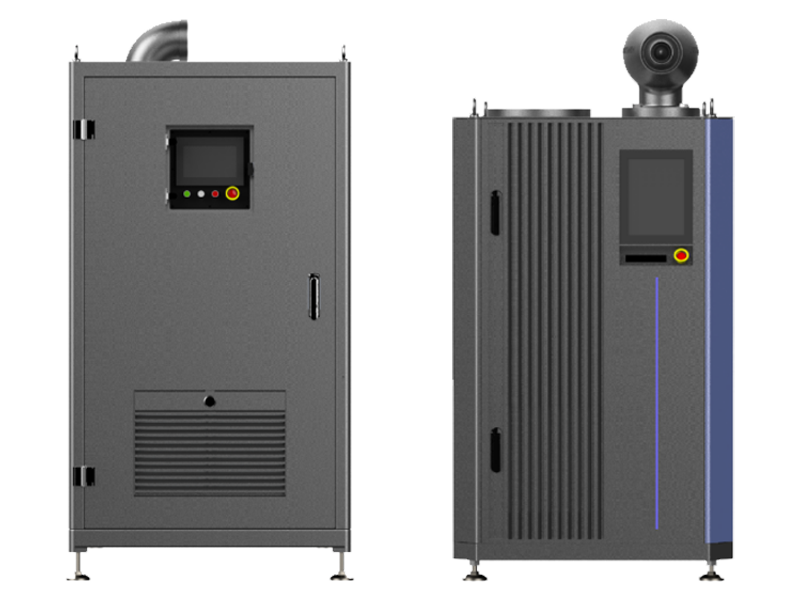 Maglev Turbo Blower Suppliers, Company - Nantong Rongheng Environmental EquipmenNantong Rongheng - China Wholesale Maglev Turbo Blowers Suppliers and Company,Maglev Turbo Blower Design And Manufacturing, Voltage (v) 3...View Product →
What to Verify Before You Buy
Start with the real duty point. Collect a week of logged pressure and flow data from the existing machine instead of relying on the design curve from the original engineering study. The supplier needs the minimum, normal, and maximum operating points together with their time shares to size the motor and impeller correctly.
- Required pressure and its stability. A single-stage turbo blower is efficient in the 30 to 150 kPa band; outside that range, consider whether another technology or a series arrangement is more appropriate.
- Inlet air quality. The machine breathes outside air, and a clean inlet filter is the single most important factor for foil bearing life. Dusty or humid sites need pre-filtration or a suitable inlet location.
- Turndown and surge behavior. Confirm the selected unit operates safely at the minimum required flow without surge, and ask how the control system reacts to rapid demand changes.
- Control system integration. Check whether the supplied PLC accepts 4 to 20 mA setpoints, MODBUS, or Ethernet signals, and whether remote monitoring is part of the package.
- Service and spare parts. Ask about commissioning support, filter availability, and replacement lead time for the control board and sensors.
Then compare suppliers on manufacturing depth, not only price. A manufacturer that builds the blower package and its electrical control system together, and that supports installation and commissioning with its own engineers, is easier to manage over the equipment life than one that combines imported components. Rongheng is an established blower manufacturer with package capability spanning the blower, control cabinet, and acoustic enclosure.
Evaluate price on a total cost of ownership basis. Electricity typically represents 60 to 80 percent of the ten-year cost of a low-pressure blower, so a machine that costs 30 percent more but consumes 30 percent less electricity can repay the difference in two to four years at normal industrial tariffs. For higher-pressure conveying duty or hot, dusty environments, the high-pressure energy-saving air suspension turbo blower is the variant to examine.
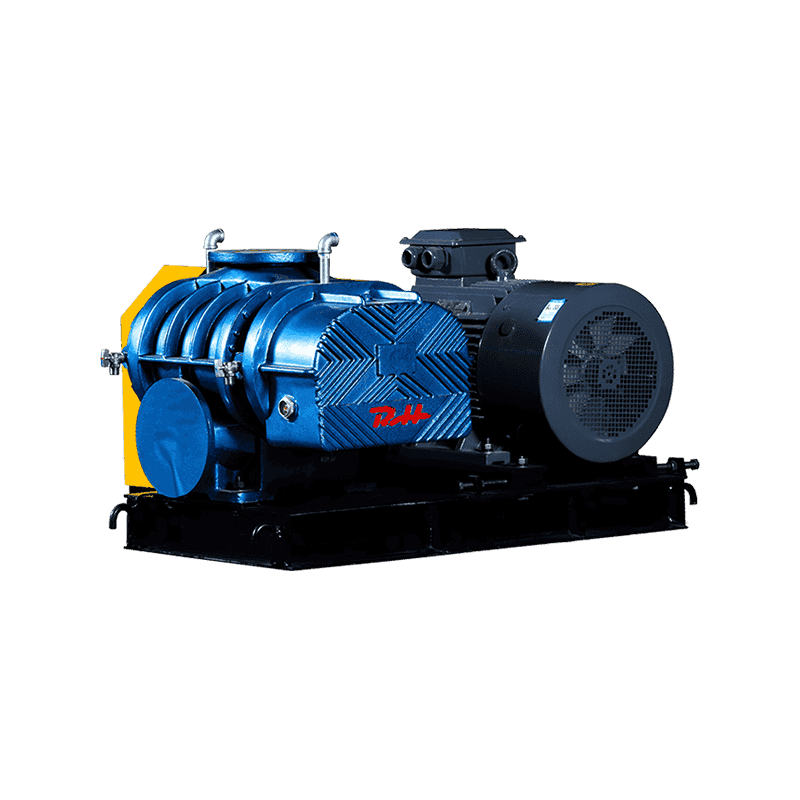
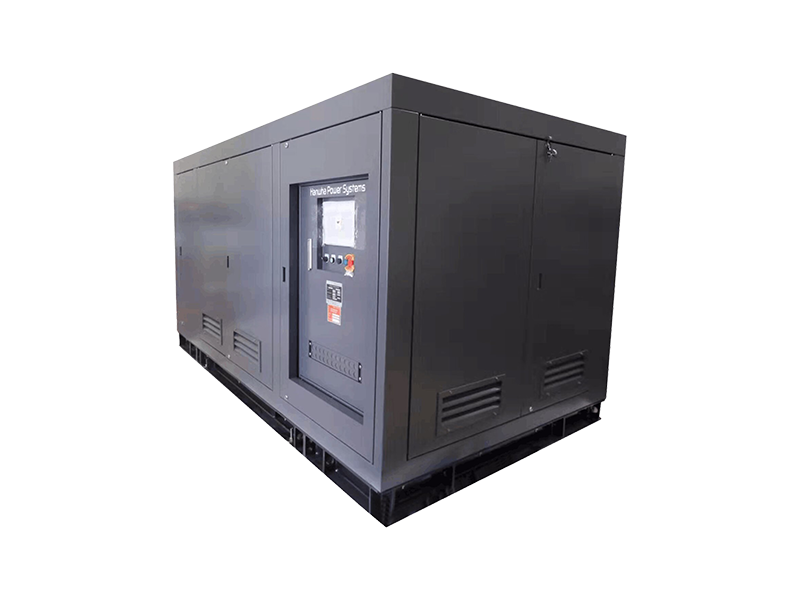 High Pressure Air Suspension Turbo Blower-Energy Saving&Eco-friendly Suppliers, Nantong Rongheng - China Wholesale High Pressure Air Suspension Turbo Blowers-Energy Saving&Eco-friendly Suppliers and Company,High Press...View Product →
The selection logic is simple to summarize. Choose an air suspension turbo blower when your process runs continuously, demand varies through the day, electricity is a significant operating cost, and the site benefits from oil-free, low-maintenance equipment. Confirm the operating envelope with real data, verify that the supplier can engineer and commission the complete package, and the machine will normally repay its first-cost premium within two to four years while delivering energy reductions of 30 percent or more against the fixed-speed blower it replaces.
The technology is no longer new or unproven. Air suspension turbo blowers have accumulated years of continuous industrial service, plants openly publish their energy comparison results, and the internal components have no wear mechanism in normal operation. When you are ready to calculate your own payback, start with your logged load profile rather than catalogue values, and the answer will usually justify the change.