 86-0513-68903288
 13906298796@139.com
 русский
 Español
 عربى
عربىContent
Understanding Rotary Blowers
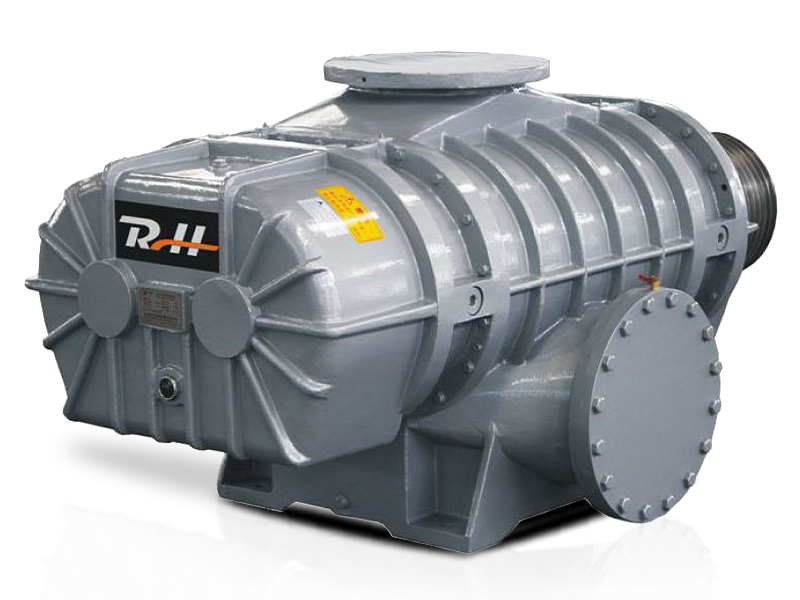
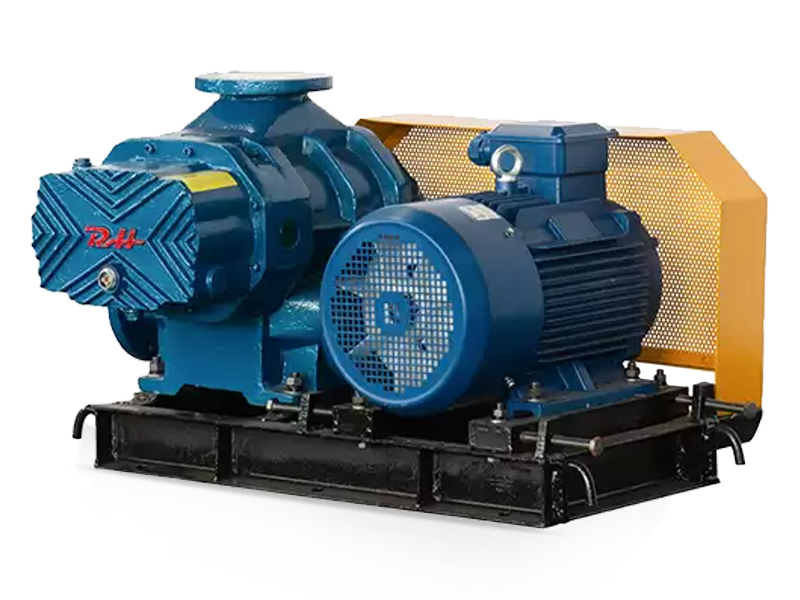
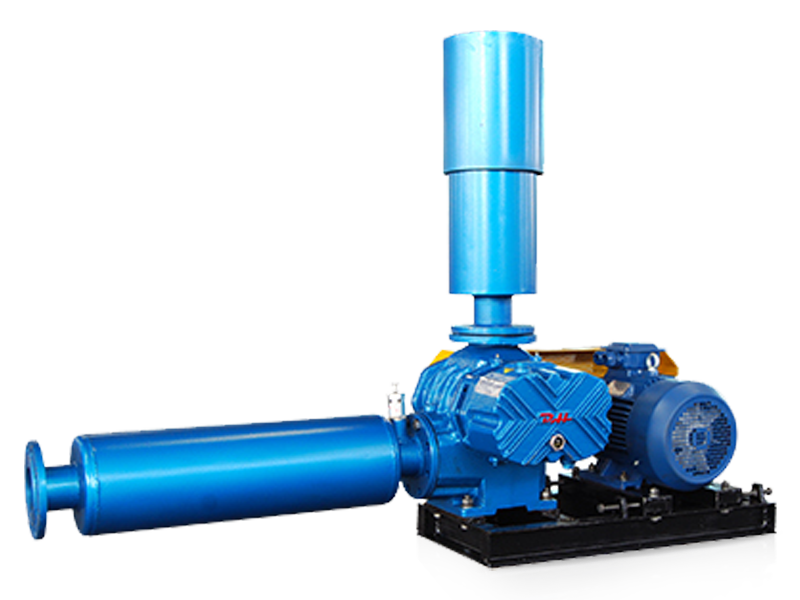
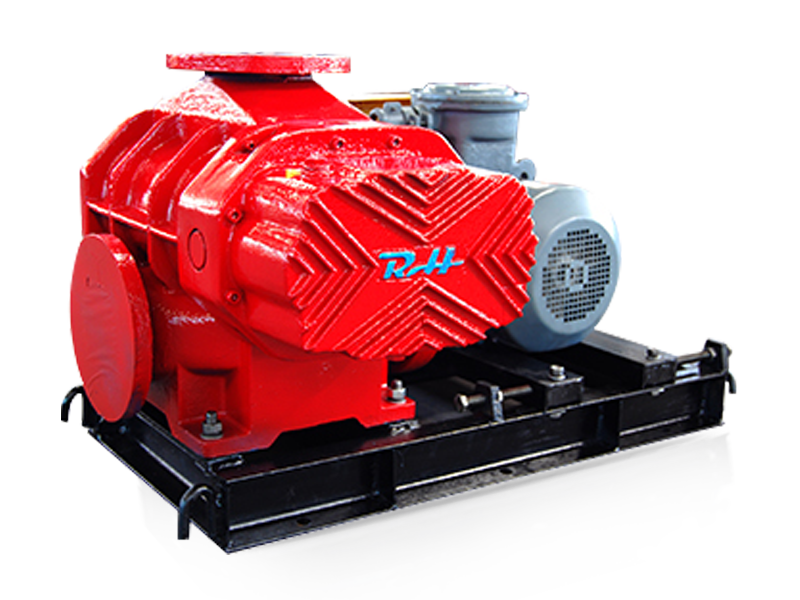
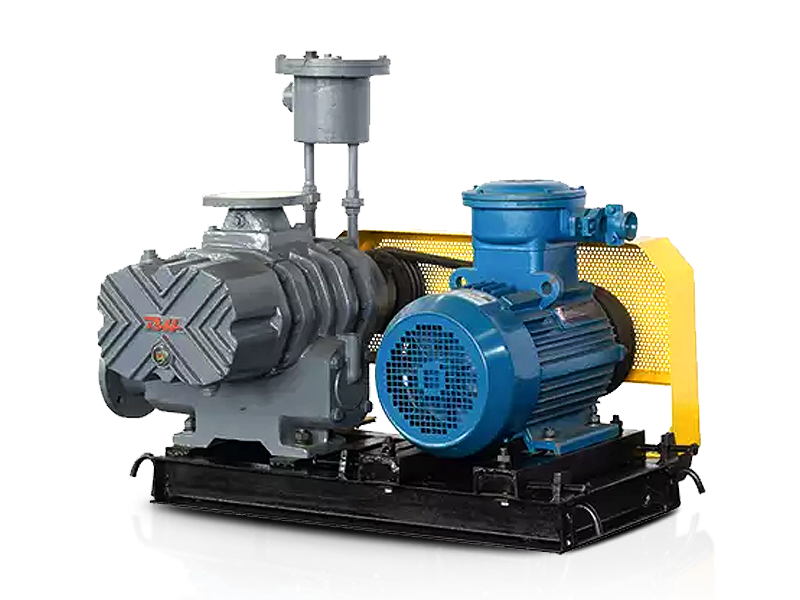
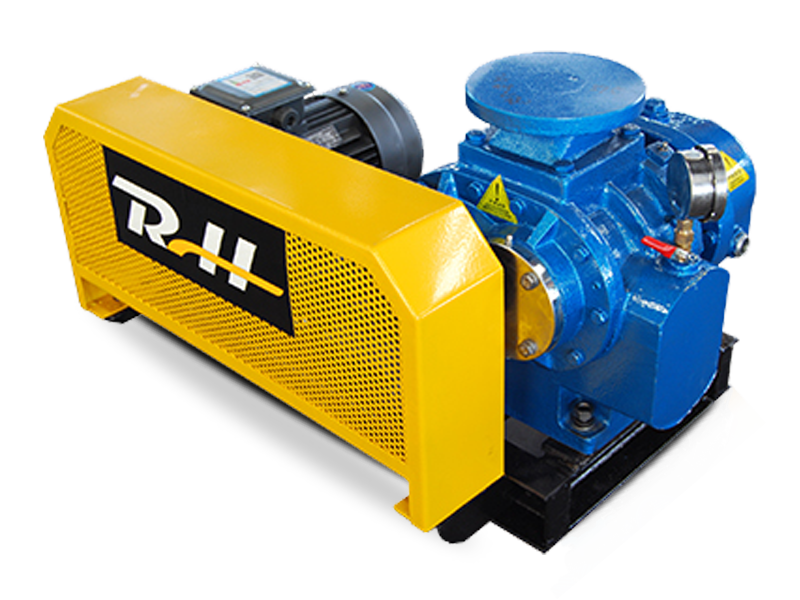
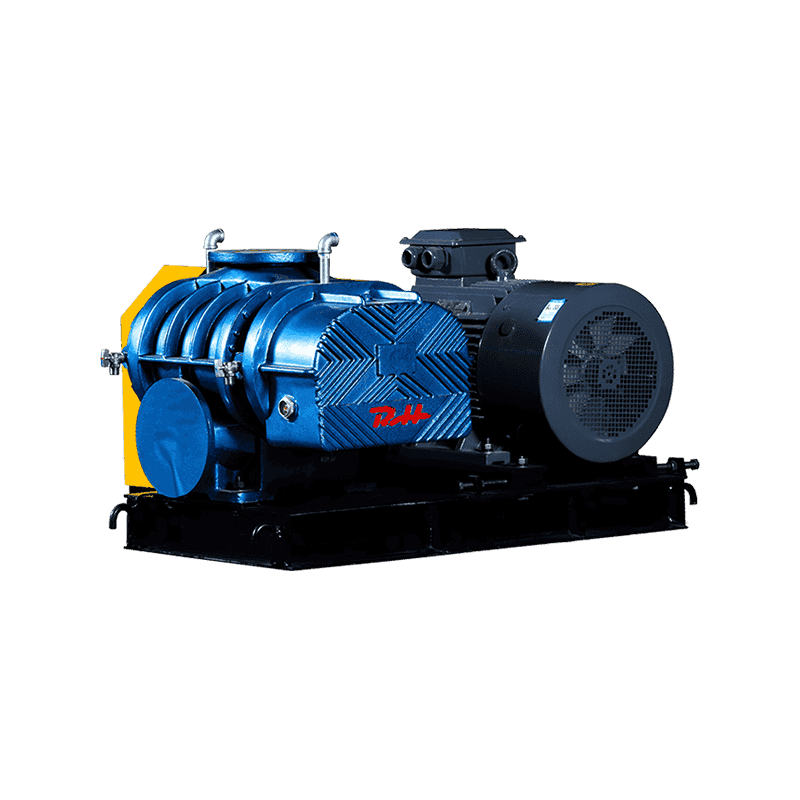
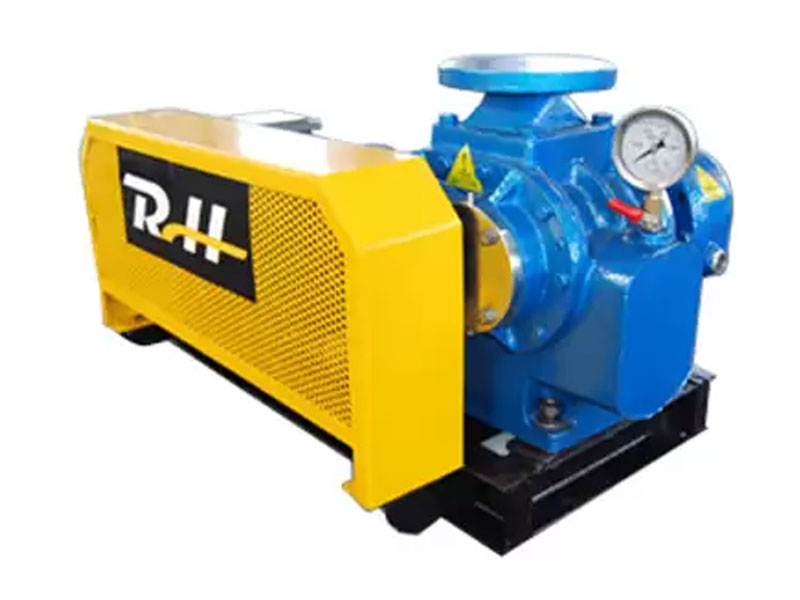
Rotary blowers are mechanical devices designed to move air or gas at relatively low pressure. They are widely used in industries such as wastewater treatment, pneumatic conveying, and chemical processing. Unlike centrifugal fans, rotary blowers provide a steady and consistent airflow, which makes them suitable for applications requiring continuous pressure and volume.
Operating Principle
Rotary blowers operate based on the positive displacement principle. Inside the blower, rotors with intermeshing lobes rotate in opposite directions. As the lobes rotate, they trap a specific volume of air and carry it from the inlet to the outlet. This action generates a steady flow at a constant pressure, independent of minor fluctuations in resistance.
Types of Rotary Blowers
Rotary blowers are categorized mainly into two types:
- Single-stage blowers – Suitable for low-pressure applications, providing stable airflow with simple maintenance requirements.
- Multi-stage blowers – Capable of generating higher pressures, typically used in applications requiring long-distance pneumatic conveying or high oxygen injection in wastewater systems.
Applications of Rotary Blowers
Rotary blowers are versatile and find application in multiple industries due to their efficiency and reliability. Their consistent airflow and pressure make them ideal for processes that require precise air delivery.
Wastewater Treatment
In wastewater treatment plants, rotary blowers supply air to aeration tanks. The continuous airflow promotes microbial activity, which is essential for breaking down organic matter. The low noise and minimal vibration of rotary blowers also contribute to operational comfort and reduced wear on the facility.
Pneumatic Conveying Systems
Rotary blowers are widely used to transport powders, granules, and other bulk materials through pipelines. Their ability to maintain steady pressure ensures smooth material movement without clogging or segregation. Multi-stage blowers are especially beneficial for long-distance conveying.
Industrial Combustion and Aeration
Industries that require controlled air supply for combustion, such as chemical plants or food processing facilities, often rely on rotary blowers. Their precise airflow supports efficient fuel combustion and enhances process safety.
Maintenance Practices for Rotary Blowers
Proper maintenance is critical to ensure the longevity and efficiency of rotary blowers. Regular inspections and servicing can prevent downtime and costly repairs.
Lubrication and Bearing Care
Bearings are crucial for the smooth operation of the rotors. Regularly check the oil level or grease the bearings according to the manufacturer's specifications. Insufficient lubrication can lead to overheating, increased friction, and eventual failure of the blower.
Cleaning and Filter Maintenance
Air filters prevent dust and debris from entering the blower. Clogged filters reduce airflow and increase the load on the motor. Clean or replace filters periodically, and inspect the blower housing for signs of contamination.
Vibration Monitoring
Excessive vibration can indicate rotor misalignment, bearing wear, or unbalanced components. Installing vibration sensors can help detect problems early, allowing timely corrective actions to avoid major failures.
Troubleshooting Common Issues
Rotary blowers are reliable, but occasional operational issues can arise. Addressing them promptly ensures minimal disruption.
Reduced Airflow
Reduced airflow is often caused by clogged filters, leaks in the piping system, or worn rotors. Inspect all components carefully and clean or replace as needed.
Excessive Noise
Unusual noise can result from rotor contact, bearing issues, or loose components. Identify the source by listening to specific blower parts and tighten or replace them accordingly.
Overheating
Overheating usually stems from insufficient lubrication, high ambient temperatures, or excessive load. Ensure proper lubrication, check motor settings, and avoid overloading the blower.
Performance Optimization Tips
Optimizing the performance of rotary blowers can improve efficiency, reduce energy consumption, and extend equipment life.
Correct Sizing
Selecting the correct blower size for a given application is critical. Oversized blowers waste energy, while undersized blowers strain the system. Consider both airflow and pressure requirements when choosing a model.
Regular System Checks
Schedule routine inspections of the blower, piping, and ancillary components. Monitoring key parameters such as pressure, flow rate, and motor current helps detect inefficiencies early.
Energy-Saving Practices
Using variable frequency drives (VFDs) can optimize airflow based on demand, reducing energy consumption. Proper insulation and leak management in the system also contribute to energy efficiency.
Comparison Table of Common Rotary Blower Features
| Feature | Single-Stage Blower | Multi-Stage Blower |
| Pressure Range | Low to Medium | Medium to High |
| Airflow Stability | Good | Excellent |
| Maintenance Complexity | Low | Moderate |
| Applications | Small wastewater plants, minor pneumatic systems | Large-scale aeration, long-distance conveying |