 86-0513-68903288
 13906298796@139.com
 русский
 Español
 عربى
عربىContent
- 1 Understanding Roots Blowers in Integrated Industrial Systems
- 2 Key Components Commonly Combined with Roots Blowers
- 3 Typical Industrial Applications Where Roots Blowers Are Combined
- 4 Combining Roots Blowers with Variable Frequency Drives
- 5 System Design Considerations for Combined Roots Blower Installations
- 6 Maintenance Strategies for Combined Roots Blower Systems
- 7 Performance Comparison of Common Combined Configurations
- 8 Selecting the Right Roots Blower Combination for Your Process
Understanding Roots Blowers in Integrated Industrial Systems
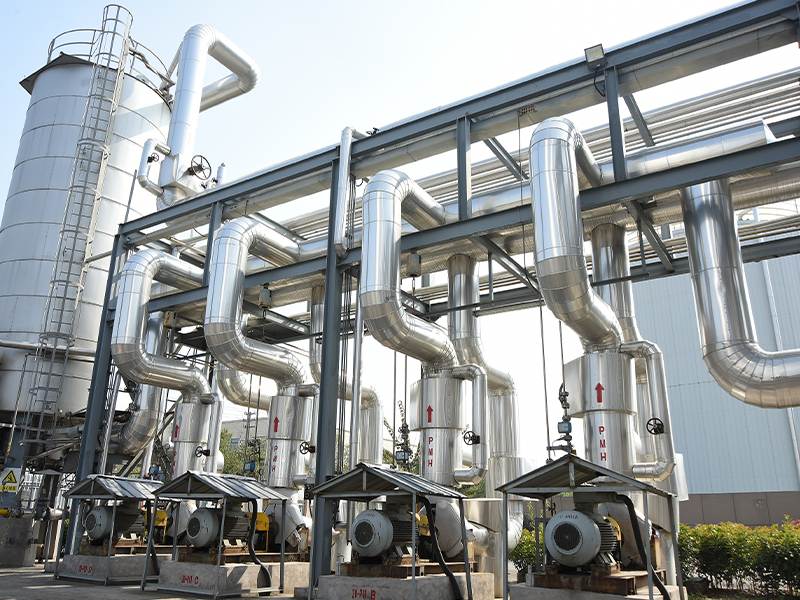
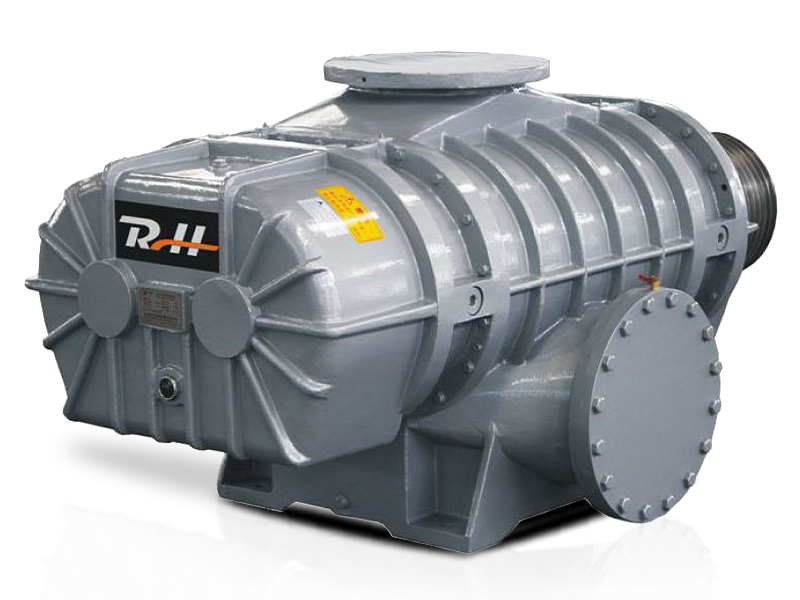
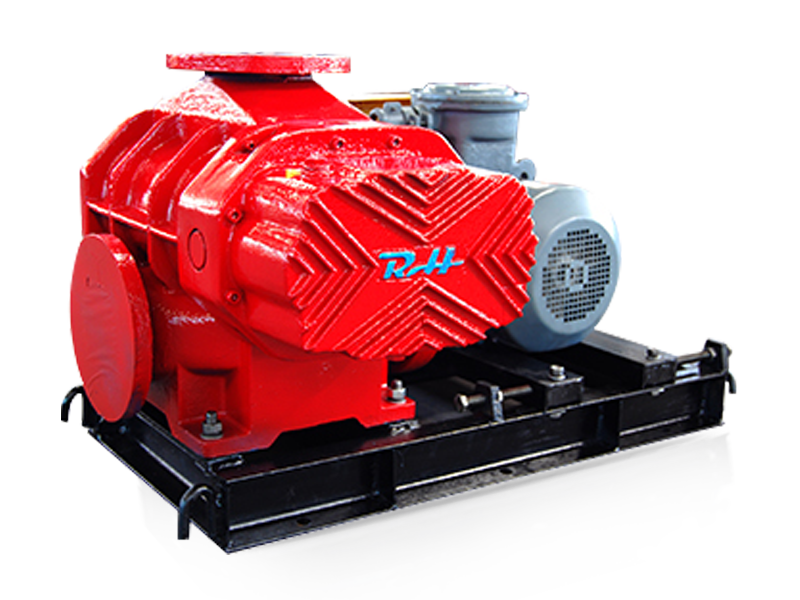
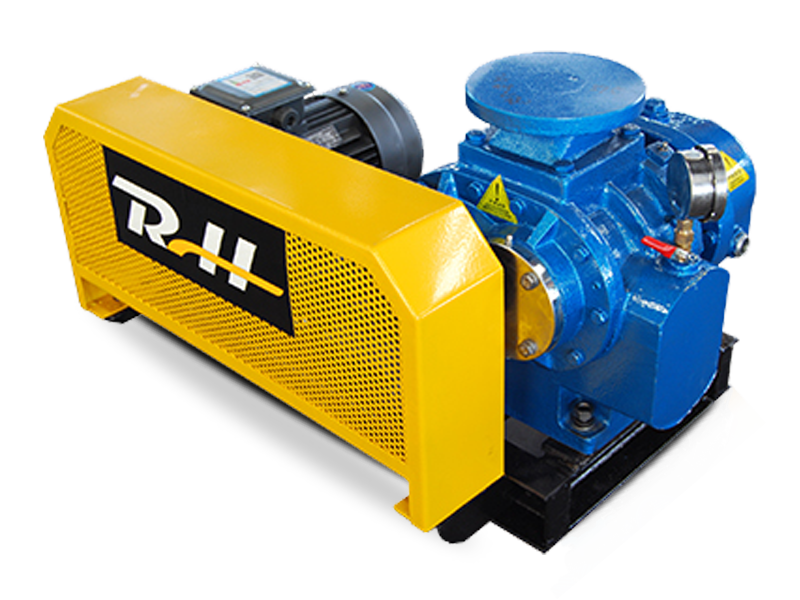
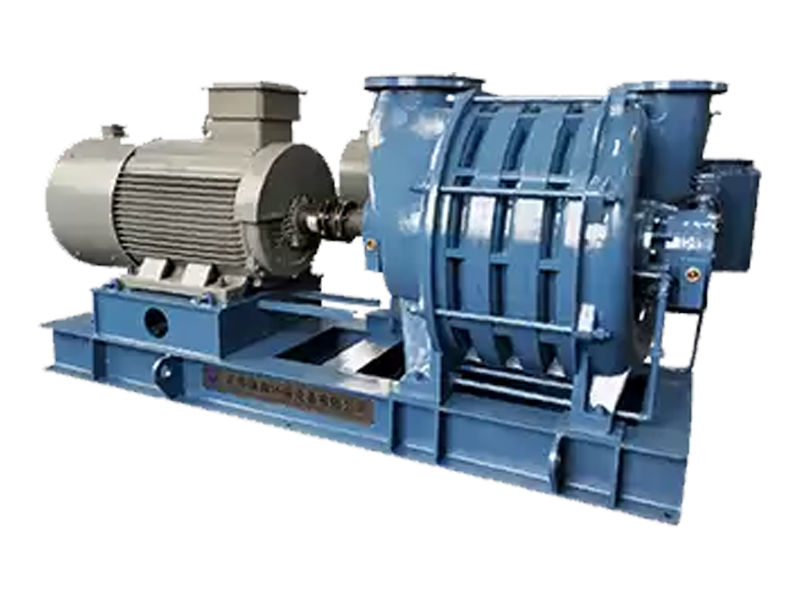
Roots blowers are positive displacement machines widely used to deliver stable airflow under varying pressure conditions. When combined with other industrial systems such as pneumatic conveying, wastewater aeration, combustion air supply, or vacuum packaging, roots blowers become a core component that directly affects efficiency, reliability, and operating cost. Their ability to provide constant volume flow makes them suitable for applications where precise air control is essential.
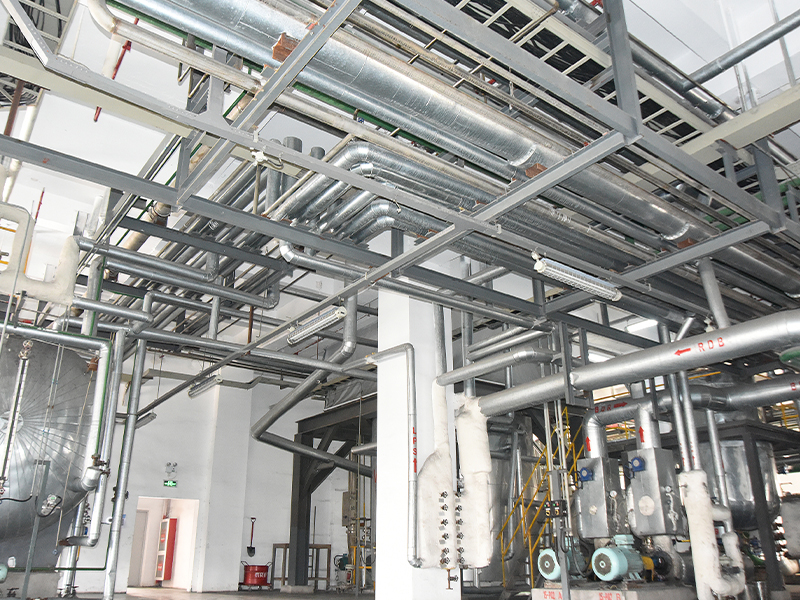
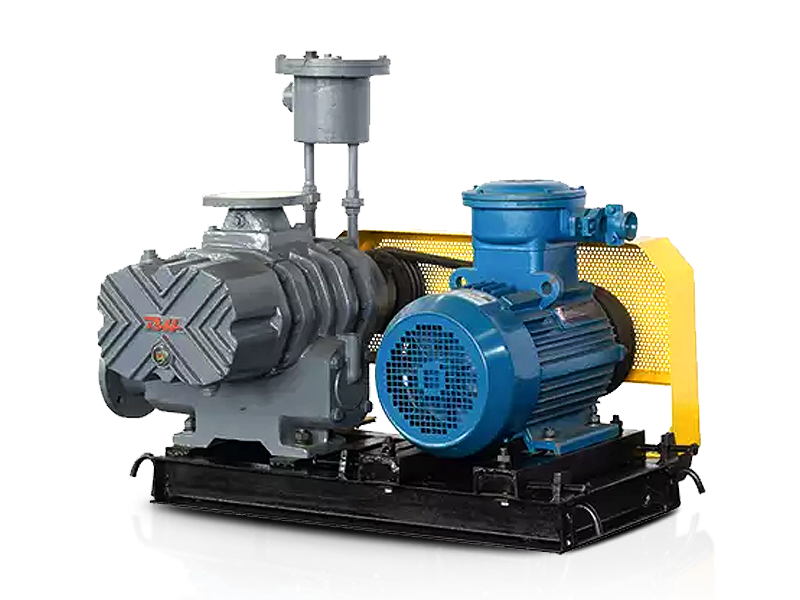
In integrated systems, roots blowers are rarely standalone devices. They interact with motors, filters, silencers, piping networks, control valves, and sometimes frequency converters. Understanding how these components work together allows engineers and operators to optimize system performance and avoid common operational issues such as overheating, excessive noise, or energy waste.
Key Components Commonly Combined with Roots Blowers
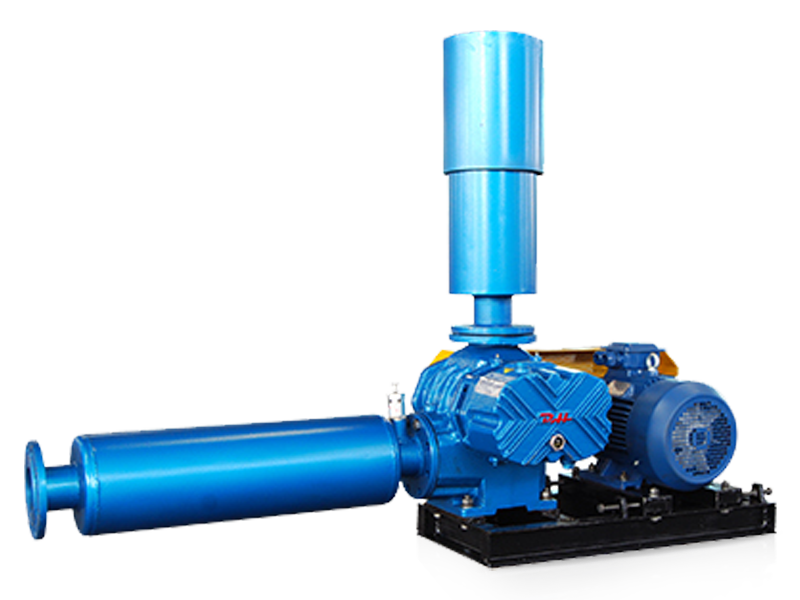
A roots blower system typically includes several auxiliary components that ensure safe and efficient operation. Selecting compatible components is just as important as choosing the blower itself. Each part plays a specific role in airflow management, protection, and system control.
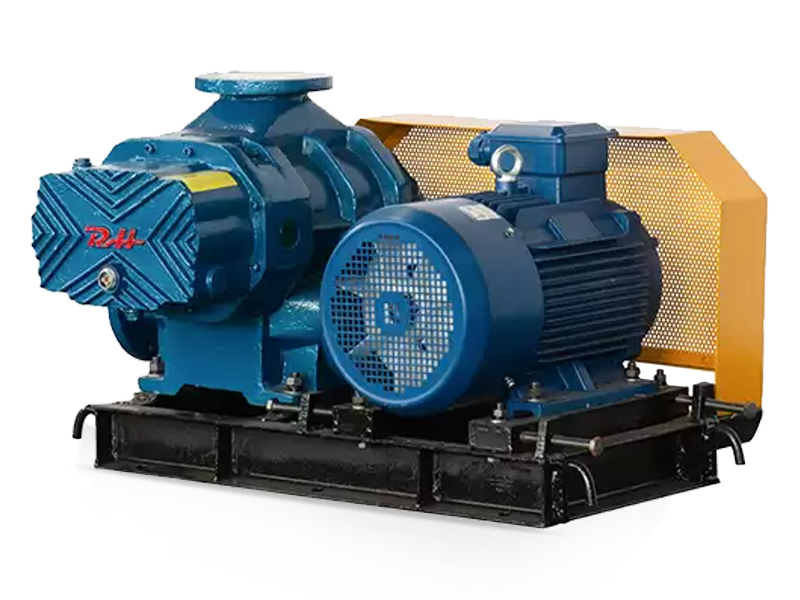
- Electric motor and coupling to provide stable power transmission and absorb minor misalignments.
- Inlet air filter or filter silencer to prevent dust and debris from entering the blower chamber.
- Discharge silencer to reduce pulsation noise generated by positive displacement operation.
- Pressure relief valve to protect the system from overpressure caused by downstream blockages.
- Check valve to prevent reverse airflow during shutdown or sudden pressure drops.
Typical Industrial Applications Where Roots Blowers Are Combined
Roots blowers are combined with various industrial processes that demand consistent airflow or vacuum levels. The application determines the configuration, material selection, and control strategy of the blower system. Choosing the wrong combination can lead to inefficient operation or premature equipment failure.
Common applications include wastewater treatment aeration systems, where roots blowers supply oxygen to biological reactors. They are also combined with pneumatic conveying systems for transporting powders, grains, or pellets over long distances without contamination. In vacuum applications, roots blowers are often paired with backing pumps to increase suction capacity.
Combining Roots Blowers with Variable Frequency Drives
One of the most effective ways to improve energy efficiency is combining roots blowers with variable frequency drives. A variable frequency drive allows the blower speed to adjust according to real-time demand instead of running at constant full speed. This approach significantly reduces power consumption in systems with fluctuating airflow requirements.
When integrating a variable frequency drive, attention must be paid to motor compatibility, cooling requirements, and minimum speed limits. Operating a roots blower below its recommended speed range may cause lubrication issues or insufficient cooling, so proper parameter settings are essential.
System Design Considerations for Combined Roots Blower Installations
Designing a combined roots blower system requires careful analysis of flow rate, pressure, temperature, and operating environment. Overestimating pressure requirements often leads to unnecessary energy consumption, while underestimating them can result in unstable operation. Accurate calculation of pipeline losses and end-use demand is critical.
Material selection is another key factor. For corrosive or high-temperature gases, special coatings or stainless steel components may be necessary. Layout planning should also allow sufficient space for maintenance access, vibration isolation, and airflow around the motor and blower housing.
Maintenance Strategies for Combined Roots Blower Systems
Proper maintenance ensures long service life and stable performance of roots blower systems. When multiple components are combined, maintenance planning must consider the entire system rather than individual parts. Neglecting auxiliary equipment often leads to blower damage.
- Regularly inspect and clean inlet filters to prevent airflow restriction and rotor wear.
- Check oil levels and lubrication condition according to manufacturer recommendations.
- Monitor vibration and noise levels as early indicators of misalignment or bearing wear.
- Test safety valves and pressure sensors to ensure reliable system protection.
Performance Comparison of Common Combined Configurations
Different combinations of roots blowers and auxiliary equipment result in varying performance outcomes. Understanding these differences helps users select the most suitable configuration for their application.
| Configuration | Energy Efficiency | Control Flexibility | Typical Use Case |
| Fixed Speed Blower | Moderate | Low | Constant load processes |
| Blower with VFD | High | High | Variable demand systems |
| Blower with Backup Pump | High | Medium | High vacuum applications |
Selecting the Right Roots Blower Combination for Your Process
Selecting the right combination starts with a clear understanding of process requirements. Airflow rate, pressure range, operating hours, and environmental conditions should be documented before consulting equipment suppliers. Oversizing should be avoided, as it increases both capital and operating costs.
Working with experienced system integrators can help ensure proper matching of roots blowers, motors, and control devices. A well-designed combined system not only improves performance but also reduces maintenance downtime and long-term operating expenses.