 86-0513-68903288
 13906298796@139.com
 русский
 Español
 عربى
عربىHow Roots Rotary Lobe Blowers Actually Work
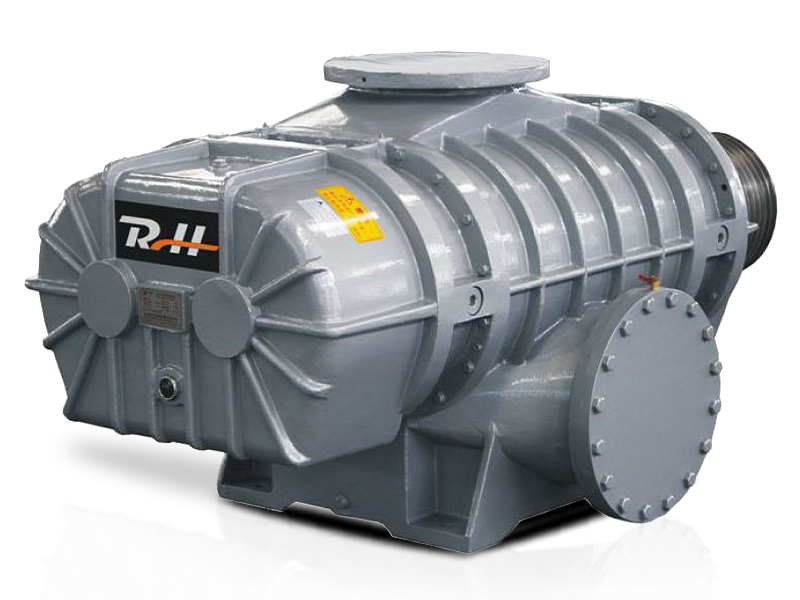
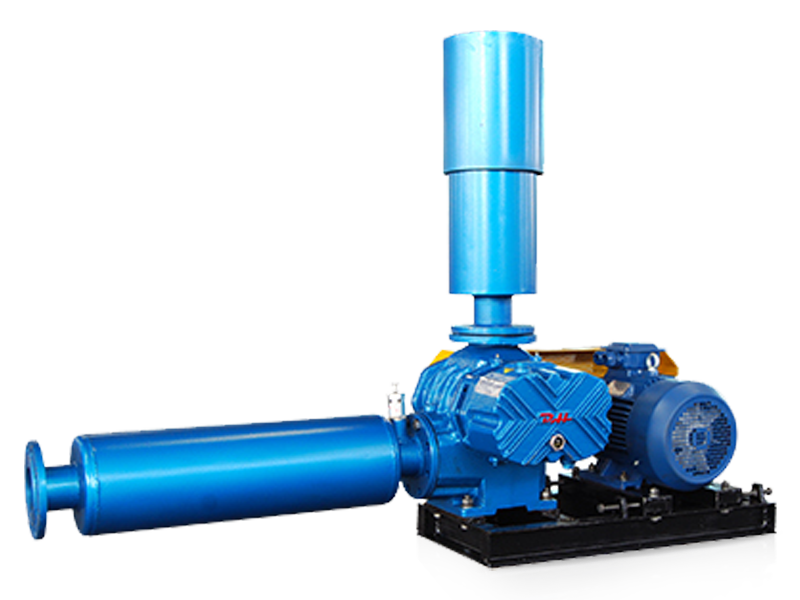
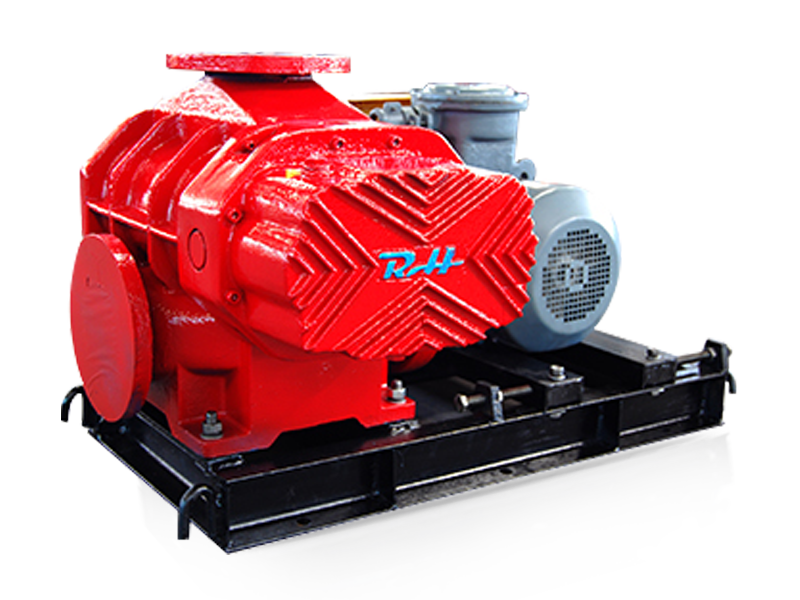
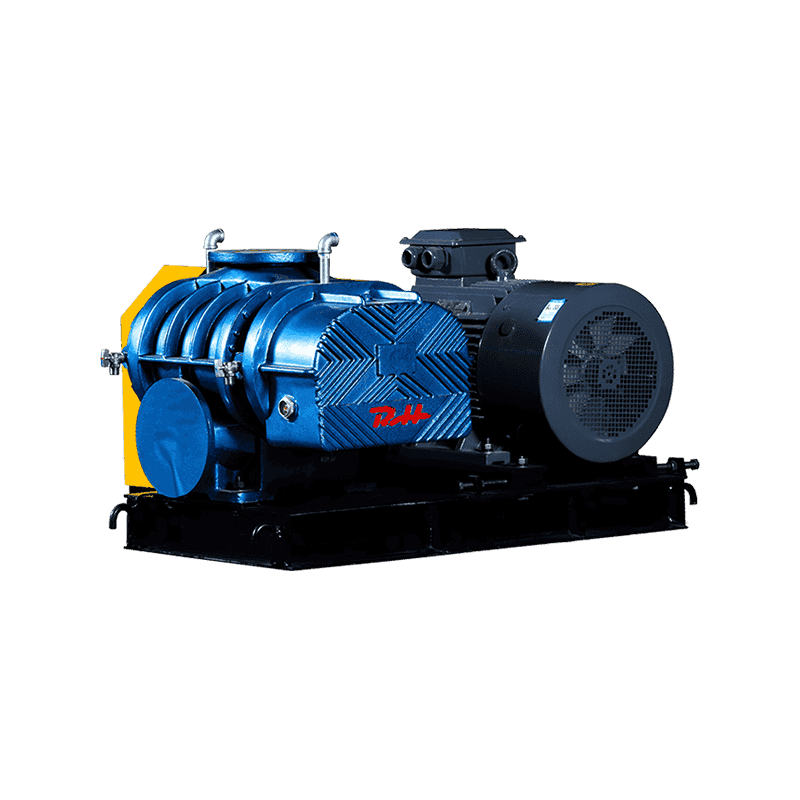
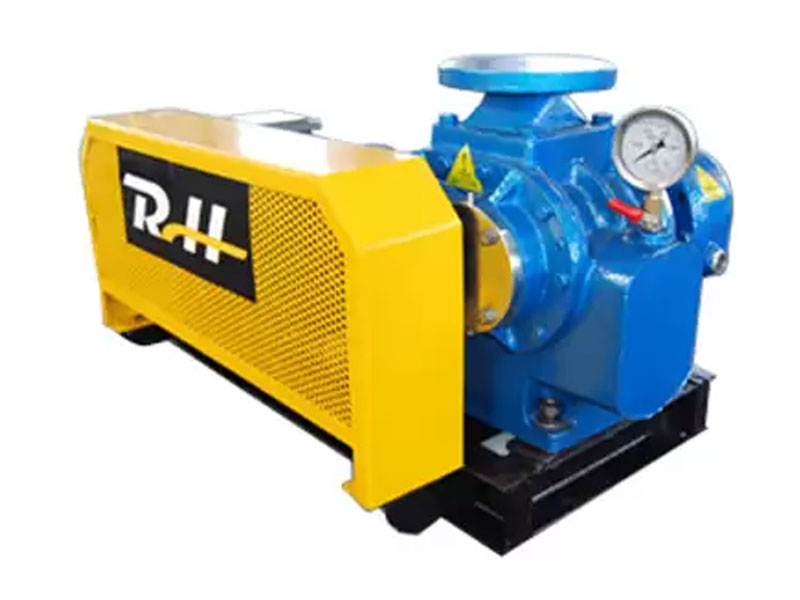
Roots blowers, often called positive displacement blowers, operate on a remarkably simple yet effective mechanical principle. At their core are two identical, counter-rotating lobed impellers (typically two or three lobes) that rotate within a precisely machined housing. The key to their operation is the synchronized timing gear assembly that keeps these rotors from touching each other or the housing. As the rotors turn, air or gas is trapped in the pockets between the lobes and the casing. This volume is carried from the intake side to the discharge side without compression inside the blower. Compression occurs only when this air is forced into the downstream system pressure at the outlet, creating a nearly constant flow rate proportional to the speed of rotation.
Primary Industrial Applications and Uses
Roots blowers are not a one-size-fits-all solution; they excel in specific scenarios requiring oil-free air delivery and moderate pressure ratios. Their primary strength lies in moving large volumes of gas against relatively low system back pressures, typically up to 1 bar (15 psi).
- Wastewater Treatment Aeration: The most common application, where they provide the vital oxygen needed for biological processes in activated sludge tanks. Their oil-free operation is critical to prevent killing the biomass.
- Pneumatic Conveying: Used to transport dry bulk materials like powders, granules, and pellets through pipelines in food, cement, and plastics industries.
- Industrial Combustion and Furnaces: Supplying secondary air to burners to enhance fuel efficiency and ensure complete combustion.
- Process Gas Handling: Moving gases like biogas, hydrogen, or carbon dioxide in chemical and renewable energy plants.
Critical Selection Criteria for Engineers
Choosing the correct Roots blower requires analyzing several interconnected parameters. Focusing solely on airflow can lead to an undersized or inefficient system.
Key Performance Parameters
You must define the actual Volume Flow Rate (e.g., m³/min, CFM) at standard inlet conditions, the required Pressure (kPa, psig) at the blower discharge, and the Gas Composition and Temperature. The gas type affects density and seal compatibility.
Understanding the System Curve
A blower does not operate in isolation. It works against a system resistance curve. The intersection of this curve and the blower's performance curve determines the actual operating point. Accurately calculating system pressure drop from pipes, filters, diffusers, and valves is non-negotiable for proper selection.
Configuration and Drive Options
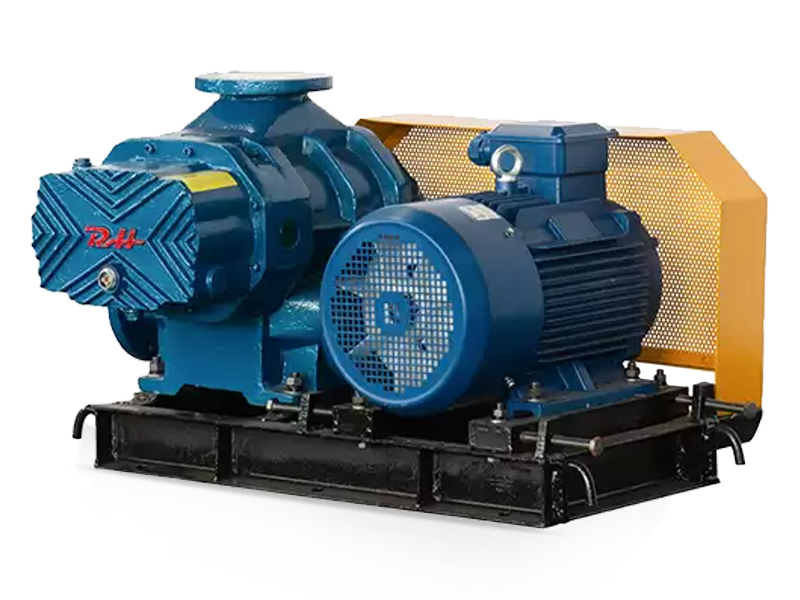
Roots blowers come in integrated packages or bare-shaft units. The drive configuration significantly impacts footprint and maintenance access.
| Direct Drive | Motor connected via coupling. Compact, efficient, no belt maintenance. Requires speed control via VFD for flow adjustment. |
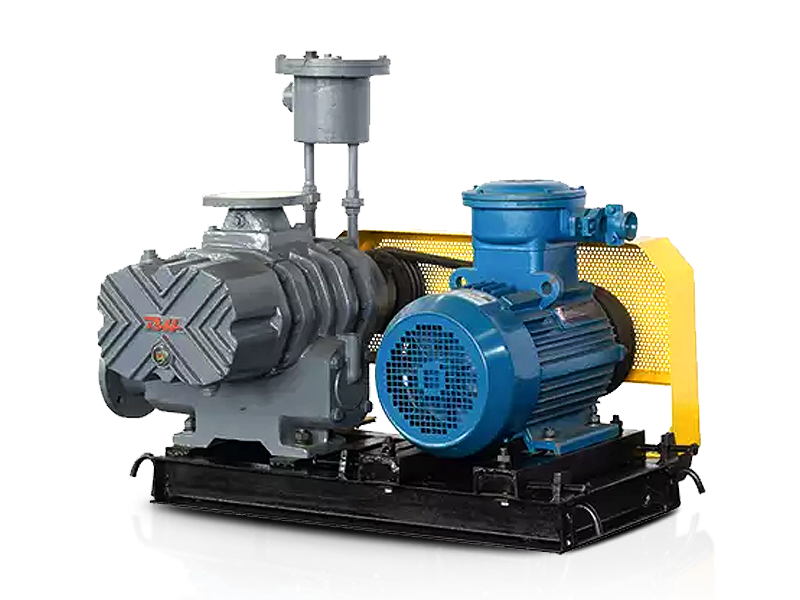
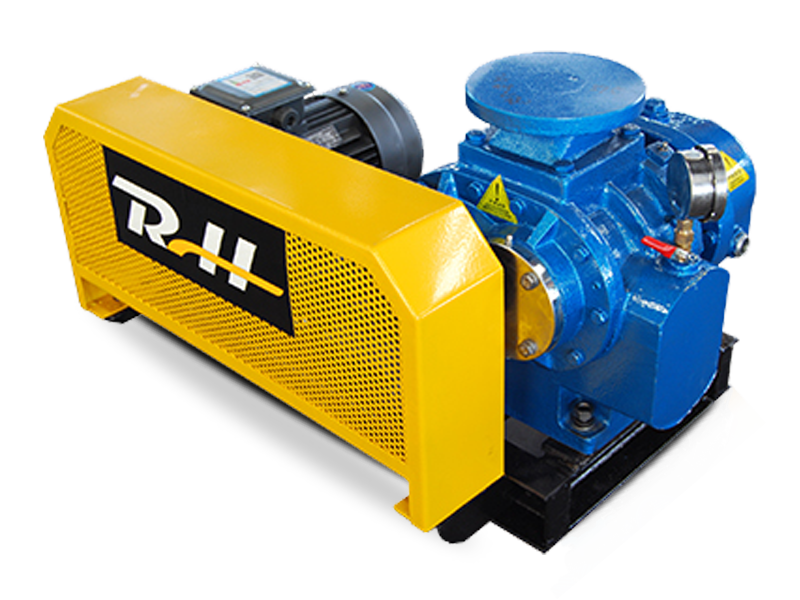
| Belt Drive | Motor and blower connected via pulleys and belts. Allows for easy speed (flow) change by altering pulley ratios. Requires periodic belt tensioning and replacement. |
| Integrated Gear Drive | Motor flange-mounted to a gearbox. Offers a robust, aligned package. Often used for higher-speed applications. |
Essential Installation and Maintenance Practices
Proper installation extends service life and reduces noise and vibration. The foundation must be rigid and level to prevent misalignment stresses. Flexible connectors on inlet and discharge piping are mandatory to isolate blower vibration. A properly sized and accessible inlet filter is crucial to prevent abrasive dust from entering the clearances.
Routine Maintenance Checklist
- Daily/Weekly: Check and note amperage, unusual noise, vibration, and inlet filter differential pressure.
- Monthly/Quarterly: Inspect drive belts (if applicable) for tension and wear. Check gearbox oil level and condition on integrated units.
- Annually: Change gear oil. Inspect timing gears and rotor clearances during major overhaul (as per manufacturer's interval, often 40,000+ hours).
The most common failure point is the timing gears. Wear here allows rotor contact, leading to rapid, catastrophic failure. Regular oil analysis for gear drives can predict this wear.
Noise Control and Silencing Strategies
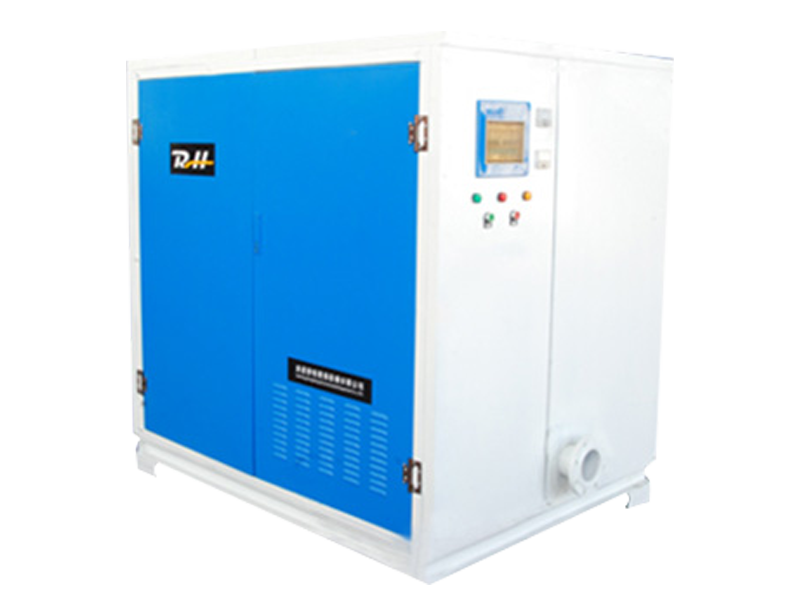
Roots blowers generate characteristic pulsation and "whine" noise, which is a major consideration. Noise attenuation is typically addressed with integrated or add-on silencers on both the inlet and discharge. For critical applications, full acoustic enclosures may be necessary. Proper sizing of discharge silencers is particularly important to handle pulsation energy without creating excessive back pressure. Always consider the system's total allowable pressure drop when selecting silencing equipment.