 86-0513-68903288
 13906298796@139.com

 русский
 Español
 عربى
Content
- 1 Sizing the Air Knife and Blower for a Bakery Line
- 2 Oil-Free Air and Filtration: The Food-Safety Part
- 3 Matching Blower Technology to Bakery Lines
- 4 Installation and Control Details That Decide Performance
- 5 Noise, Maintenance, and Daily Checks
- 6 Bakery Blow-Off FAQ
- 7 Next Step: Specify the Blow-Off System as a System
At 3 a.m., a bakery line running 14,000 croissants an hour can still stop because a 2 mm layer of flour and crumb has bridged the gap between a conveyor and a transfer plate. The blow-off system is supposed to clear that layer before it reaches the next station. In practice, many bakery blow-off systems are specified like compressed-air tools: a nozzle, a regulator, and whatever compressor capacity is left. That is the wrong starting point.
Bakery conveyor belt blow-off is a high-flow, low-to-medium-pressure, oil-free air application. The blower must deliver stable air volume across the belt width, survive flour dust and washdown humidity, and do it without introducing oil, water, or excessive noise into a food-production zone.
Sizing the Air Knife and Blower for a Bakery Line
Size the air knife from belt width and crumb load first; size the blower from the knife's required CFM at the nozzle pressure, then add 15-25 percent margin for filter loading and future line speed increases. A blower selected from compressor catalog pressure alone will usually be too small on flow or too noisy at the belt.
Start with the belt width, the gap between the belt and the knife, and the smallest crumb the line must remove. A 600 mm belt does not need the same knife as a 1,200 mm belt, and a knife mounted 80 mm from the surface loses more velocity than one mounted at 30 mm. The blower follows the knife, not the other way around.
The table below gives starting ranges for bakery conveyor blow-off. It is not a substitute for the air-knife manufacturer's data, but it helps frame the blower inquiry. For a deeper walkthrough of nozzle physics and blower sizing, see this air-knife blower sizing guide.
| Belt width | Air-knife length | Target velocity | Blower flow |
| 600 mm | 700 mm | 25-35 m/s | 350-550 m3/h |
| 800 mm | 900 mm | 25-35 m/s | 500-750 m3/h |
| 1000 mm | 1100 mm | 30-40 m/s | 700-1000 m3/h |
| 1200 mm | 1300 mm | 30-40 m/s | 900-1300 m3/h |
Compressor-fed blow-off
Easy to tap from plant air, but costly per CFM, prone to oil carryover if filters are neglected, and often short on volume at the end of the line.
Dedicated blower-fed blow-off
Higher flow per kW, oil-free air path, better match to continuous bakery duty, and easier to isolate from other plant air users.
Oil-Free Air and Filtration: The Food-Safety Part
Oil-free blower technology is not a luxury in bakery blow-off; it is the difference between clean air and a contamination risk. A roots blower or oil-free screw blower keeps the air path free of lubricating oil, but the installation still needs filtration, drainage, and a clean header to deliver food-safe air at the belt.
Flour dust is abrasive and hygroscopic. It collects on filter elements, fan guards, and knife lips. When humidity rises, it forms a sticky film that reduces velocity and can harbor microbial growth. The blow-off system therefore needs a maintenance route, not just a specification sheet.
A practical filtration train for bakery blow-off usually includes:
- A coarse inlet pre-filter to stop flour and packaging dust from reaching the blower.
- A fine coalescing filter if any upstream compressor air is blended into the system.
- A dry particulate filter at the knife inlet, sized for the full flow at the lowest expected pressure.
- A drain leg at the low point of the header, checked on the same schedule as the belt cleaning.
Matching Blower Technology to Bakery Lines
For most bakery conveyor blow-off systems, the shortlist is a roots blower, an oil-free screw blower, or an air suspension turbo blower; the right choice depends on duty cycle, pressure, noise, and maintenance access. All three can deliver oil-free air. They do not behave the same on a line that stops and starts or runs 24 hours a day.
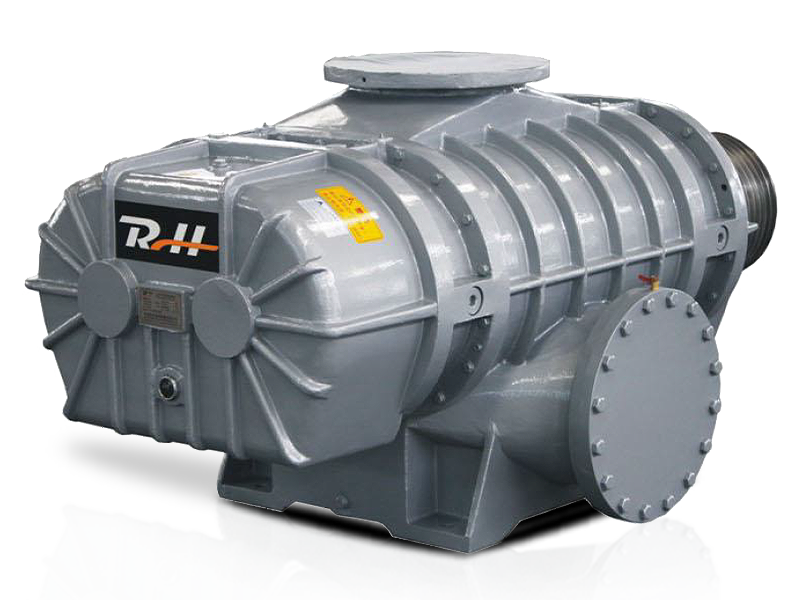
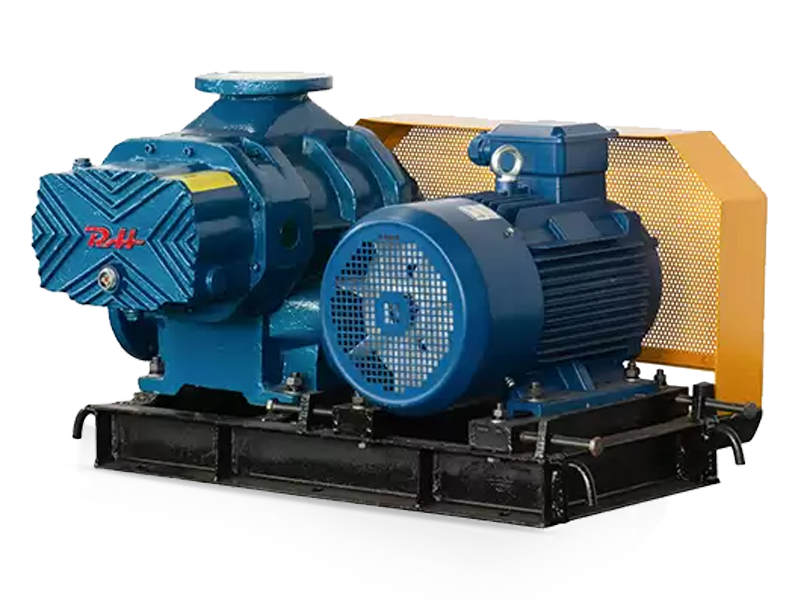
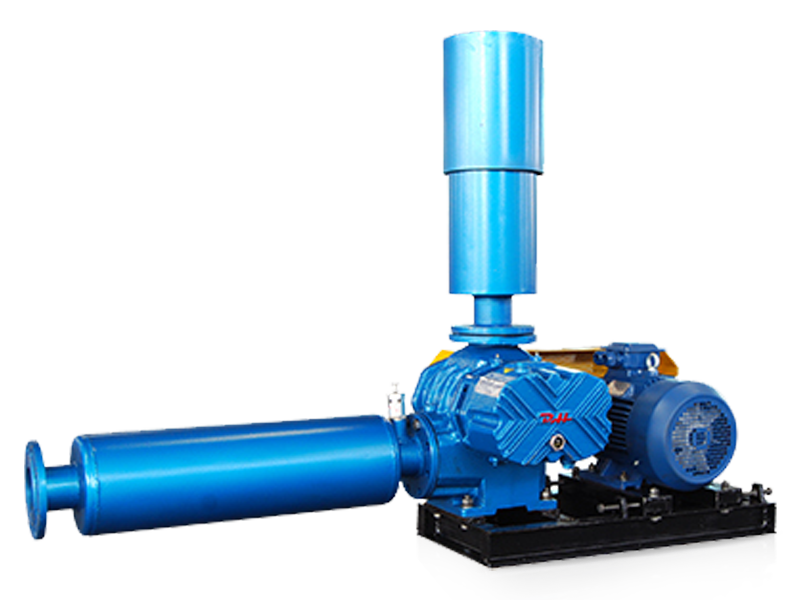
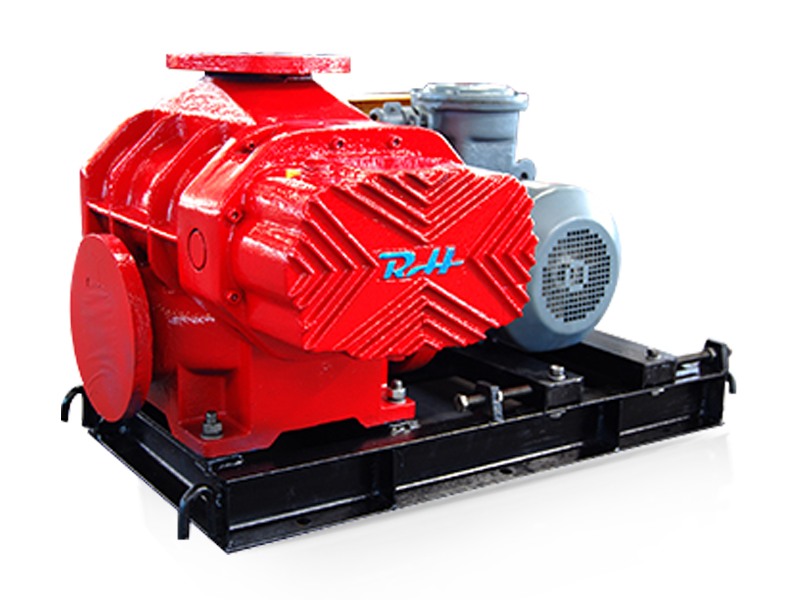
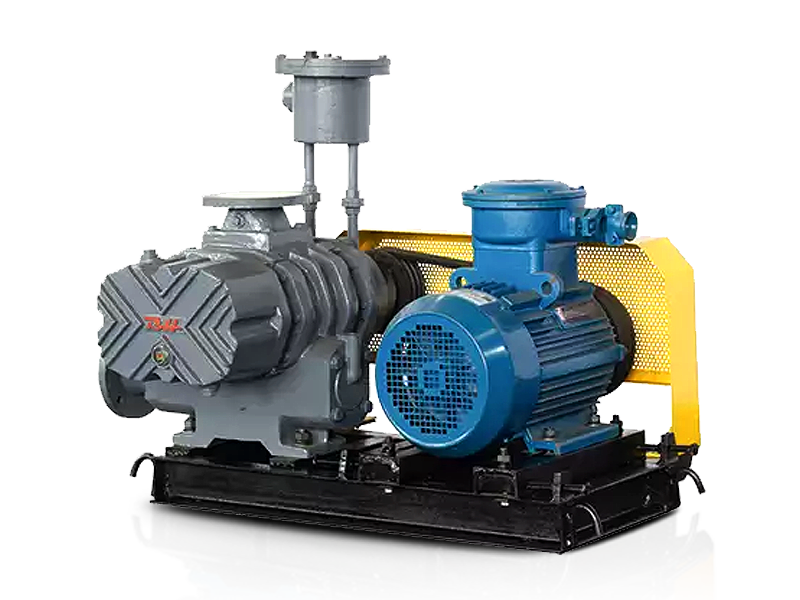
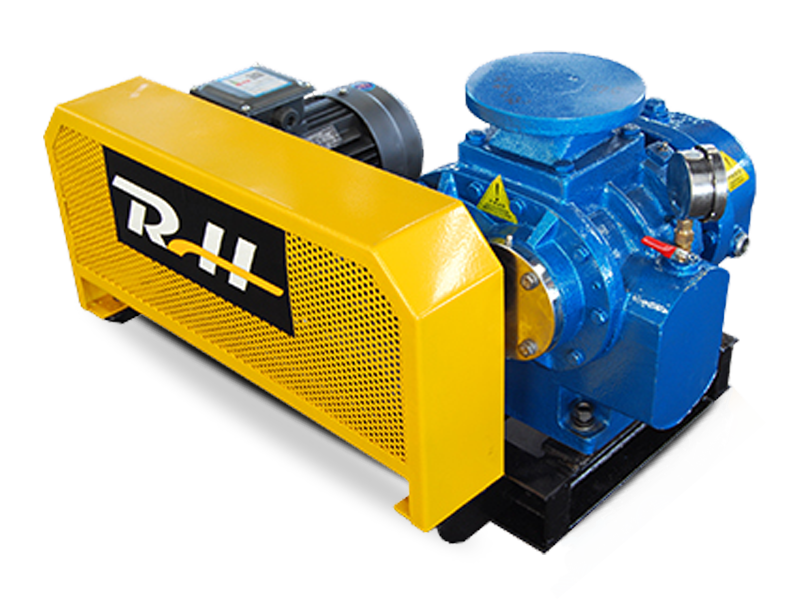
Roots blower
Positive displacement, predictable flow, and good tolerance for varying pressure. Best when the line needs a robust, repairable unit and noise can be controlled with an enclosure.
Oil-free screw blower
Continuous-duty friendly, smoother airflow, and lower pulsation than a roots unit. A strong fit for lines with high hygiene requirements and long running hours.
Air suspension turbo blower
High-speed, compact, and efficient at higher flow. Best where energy use and footprint matter, and where the control system can manage a narrower operating window.
On a pastry line with frequent washdowns, a roots blower with a washdown-rated enclosure and accessible filters is often the simplest answer. On a 24/7 bread line where power cost dominates, an air suspension turbo blower can cut operating energy, but it needs clean inlet air and a control strategy that respects its operating range.
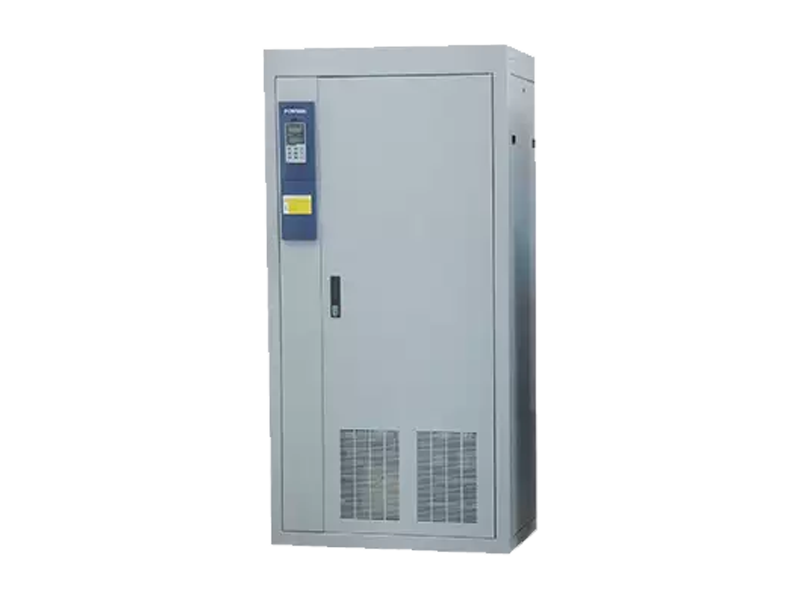
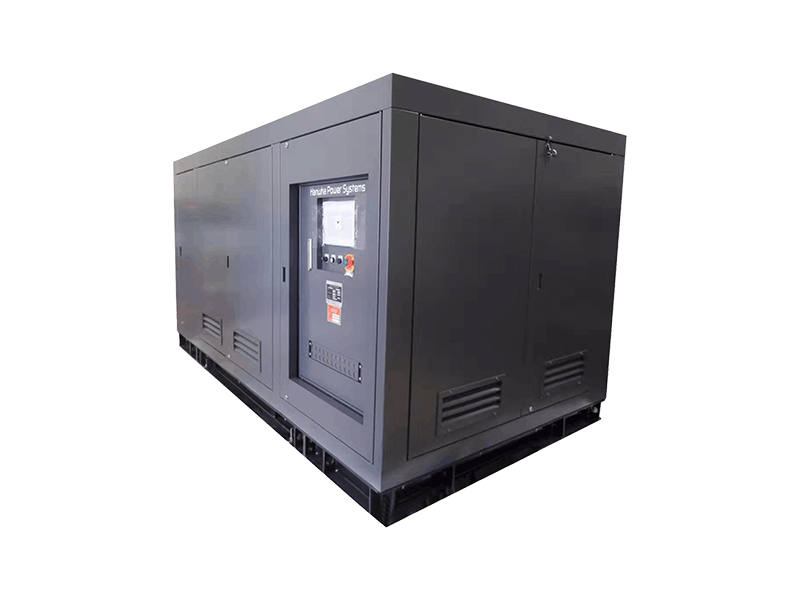 HW Series High Pressure Air Suspension Turbo BlowerOil-free turbo blower for continuous industrial air supply, with integrated VFD and air bearings; worth reviewing where energy savings and quiet operation matter.View Product →
If the line runs continuously and the priority is oil-free air with lower pulsation, an oil-free screw blower is the more conservative choice. It costs more than a basic roots unit, but it can simplify the noise and maintenance plan.
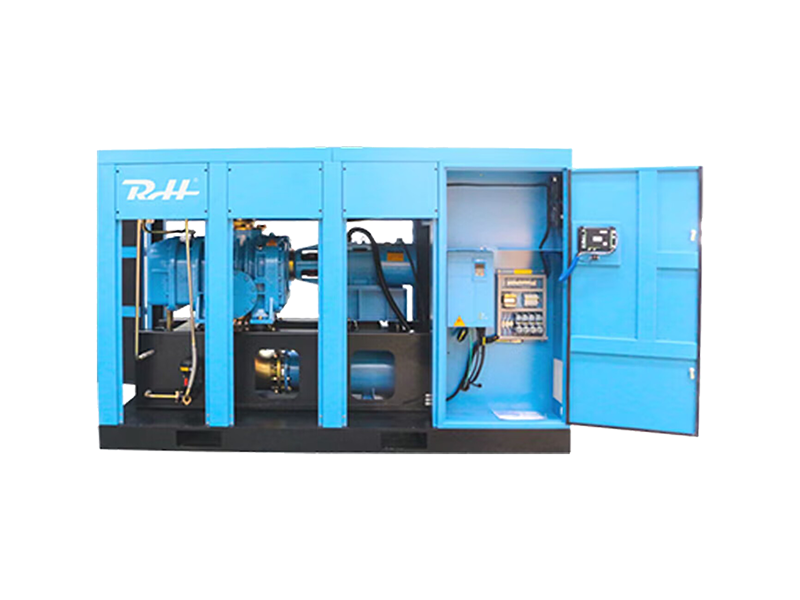 BSG Series Oil-Free Screw Blower AirendOil-free screw airend with labyrinth and carbon ring seals for continuous duty; a conservative choice when lower pulsation and simpler maintenance matter.View Product →
Installation and Control Details That Decide Performance
A correctly sized blower can still fail at the belt if the air knife is misaligned, the header is undersized, or the control system cannot respond to line changes. The installation details are not cosmetic; they decide whether the blower's flow reaches the crumb.
Mount the knife so the air stream strikes the belt at a shallow angle, usually 15-30 degrees, and set the gap as close as the product and belt tracking allow. A 5 mm change in gap can shift velocity enough to leave a strip of crumbs at the belt edge. Use a pressure gauge at the knife inlet, not only at the blower discharge.
Use a VFD where line speed changes during the day. A fixed-speed blower running at full flow during a slow packaging period wastes energy and can blow light products off the belt. The control system should follow line speed or a belt-load signal, with a manual override for sanitation.
Noise, Maintenance, and Daily Checks
Bakery blow-off systems are judged on noise and uptime as much as on airflow. A roots blower running at 2.5 bar can exceed 85 dB(A) at the discharge without an enclosure, which is why acoustic treatment belongs in the original layout, not in a retrofit after the line is running.
Place the blower outside the production room where possible, or use a sound enclosure with a separate cooling-air path. Do not cover the blower with a simple box and call it an enclosure; inlet and discharge noise need different treatment, and the enclosure must not raise the motor ambient temperature above its rating.
For roots blower installations, an acoustic enclosure is often the most direct way to bring noise down without changing the process. Specify the enclosure with the blower, not after commissioning, so the cooling and access clearances are correct.
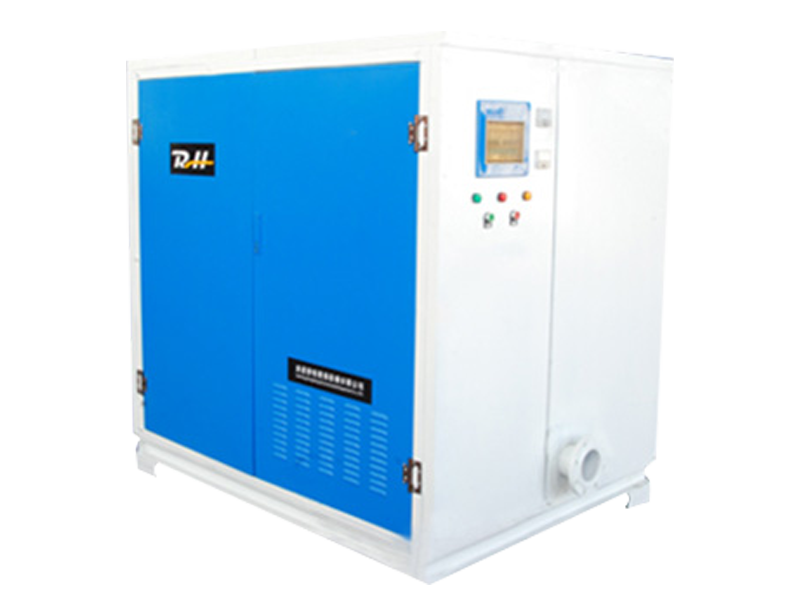 Sound Enclosure for Roots BlowersAccessory enclosure for Roots blowers that reduces audible noise and protects equipment during washdown, with two-side access doors for maintenance.View Product →
Bakery Blow-Off FAQ
How much pressure does a bakery conveyor belt blow-off need?
Most bakery air-knife systems run at 1.5-4.0 bar at the knife inlet, with 2.0-3.0 bar covering many crumb-removal duties. The right number depends on the knife slot, the gap to the belt, and the crumb load; flow, not pressure alone, clears the belt.
Can a roots blower be used for bakery blow-off?
Yes. A roots blower is a common choice because it is oil-free in the air path, robust, and predictable under varying pressure. It needs inlet filtration, a noise plan, and a maintenance route for flour dust.
How do I keep blow-off air food-safe?
Use an oil-free blower, filter the air at the knife inlet, slope and drain the header, and keep filter changes on a documented schedule. If compressed air is blended in, treat it as a separate contamination risk and filter it accordingly.
What noise level should I expect?
A bare roots blower can exceed 85 dB(A) at the discharge. With a proper acoustic enclosure and silencers, many bakery installations can be brought into the low 70s dB(A) at the operator position, but the exact result depends on the blower size, pressure, and room acoustics.
Next Step: Specify the Blow-Off System as a System
Bakery conveyor belt blow-off is not a commodity nozzle bolted to a compressed-air drop. The blower, filter, header, knife, control, and noise treatment have to be selected together, or the line will trade one problem for another: clean belts with high energy cost, quiet operation with poor crumb removal, or food-safe air that disappears when the filter loads.
Start with the belt width, the smallest crumb, and the required velocity at the surface. Then size the blower for flow at the knife, add margin for filter loading, and confirm the noise and maintenance plan before the equipment arrives.
Need help matching a blower to a bakery line? Send the belt width, knife length, target pressure, and shift pattern to our engineering team through the contact page.