 86-0513-68903288
 13906298796@139.com
 русский
 Español
 عربى
عربىContent
- 1 What Are Air Suspension Blowers and Why They Matter
- 2 How Air Suspension Blowers Work
- 3 Selecting the Right Air Suspension Blower
- 4 Essential Installation Best Practices
- 5 Routine Maintenance for Long Blower Life
- 6 Diagnosing Common Blower Problems
- 7 Upgrades and Enhancements for Performance
- 8 Concluding Best Practices and Final Tips
What Are Air Suspension Blowers and Why They Matter
Air suspension blowers are critical components in air suspension systems, providing the pressurized airflow necessary to inflate airbags or air springs. Without an efficient blower, the suspension cannot adapt to load changes, terrain variation, or provide the optimized ride comfort expected in modern vehicles and commercial applications. Understanding how these blowers work, how to choose the right model, and how to maintain them is essential for anyone installing, repairing, or optimizing air suspension systems.
How Air Suspension Blowers Work
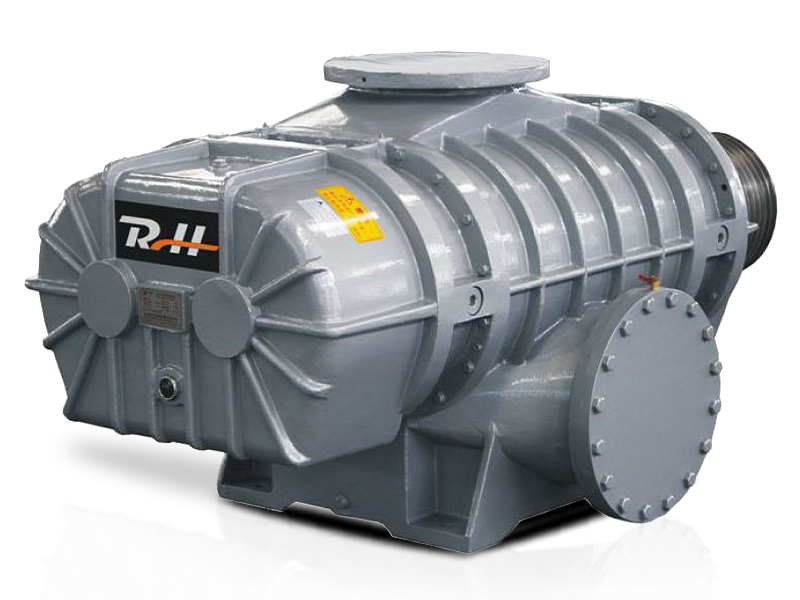
Air suspension blowers are essentially high‑flow air compressors engineered to deliver continuous or on‑demand air pressure to an air suspension system. They take ambient air, compress it, and direct it into an air reservoir or directly into air springs. Their performance hinges on air flow (measured in CFM) and pressure capability (measured in PSI).
Key Components of a Blower Assembly
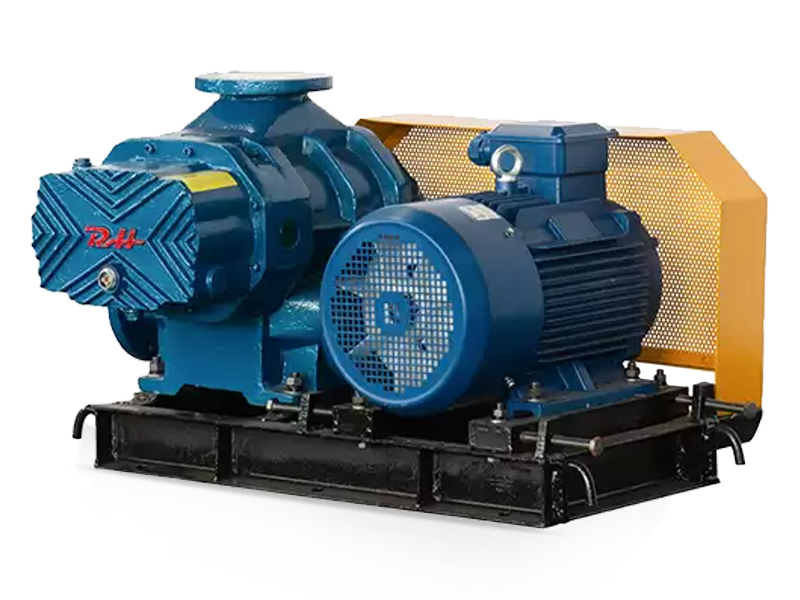
A typical air suspension blower assembly includes:
- Motor: Powers the compressor pump.
- Compressor Pump: Compresses the air.
- Air Filter: Cleans incoming air to protect the pump.
- Pressure Switch or Controller: Regulates on/off cycles or duty cycles.
Pressure vs Flow: What Matters Most?
Both airflow and pressure matter, but their importance varies with application:
- High Flow (CFM) — Improves how fast the system reacts, important for large airbags or frequent height changes.
- High Pressure (PSI) — Needed for heavy vehicles or systems requiring greater ride height adjustment limits.
Balancing both attributes prevents blower overheating and ensures system reliability.
Selecting the Right Air Suspension Blower
Choosing the correct blower requires matching the blower’s specifications with your vehicle’s demands. Poor selection can lead to slow ride height adjustment, shortened blower life, or system failure. Focus on application type, duty cycle, and environmental conditions.
Consider Application Type
Different uses require different blowers:
- Passenger Vehicles: Moderate flow, low noise blowers are best.
- Commercial Trucks: High flow and high duty cycle blowers for frequent load changes.
- Off‑Road and Performance: Robust units with enhanced filters to resist dust and moisture.
Blower Specification Checklist
| Specification | What It Means |
| CFM Rating | How much air the blower supplies per minute. |
| Max PSI | Highest pressure the blower can generate. |
| Duty Cycle | How long it can run without overheating. |
| Noise Level | Measured in dB, important for passenger comfort. |
Ensure the blower you choose meets or exceeds the system’s maximum pressure target and can consistently supply the airflow needed for your suspension configuration.
Essential Installation Best Practices
Installing a new air suspension blower properly is critical for performance and longevity. Incorrect installation can lead to premature failure, air leaks, or electrical issues.
Pre‑Installation Checklist
Before installing:
- Confirm system compatibility — ensure ports and fittings match.
- Inspect wiring harnesses for damage or corrosion.
- Check mounting location for proper ventilation and clearance.
Step‑by‑Step Installation Guide
Follow these steps for a reliable installation:
- Mount Securely: Use vibration‑resistant mounts to prevent loosening over time.
- Seal All Fittings: Use thread sealant designed for air systems on all compression fittings.
- Route Air Lines Carefully: Avoid sharp bends, heat sources, or pinch points.
- Wire Power Correctly: Use fused power connections directly to the battery when possible.
- Test Before Final Assembly: Briefly pressurize to check for leaks and correct blower operation.
Routine Maintenance for Long Blower Life
Even high‑quality blowers require maintenance. Proper maintenance reduces downtime and extends component life.
Air Filter and Intake Care
Dust, dirt, and moisture are the enemies of blower performance. Check and clean or replace air filters at least every 3,000–5,000 miles, or more frequently in dusty environments.
Electrical System Check
Loose connections or corroded terminals increase resistance and heat — contributing to early blower failure. Visually inspect wiring at every oil change and tighten or replace damaged components.
Diagnosing Common Blower Problems
Air suspension problems often stem from blower issues. Quick diagnosis saves time and cost. The table below outlines common symptoms and how to diagnose them.
| Symptom | Possible Cause | Action |
| Weak Airflow | Clogged filter or worn pump. | Clean/replace filter; test pump output. |
| Blower Won’t Start | Electrical issue or failed motor. | Check fuses, wiring, and motor continuity. |
| Overheating | Excessive duty cycle or poor ventilation. | Improve ventilation; ensure correct duty blower. |
Accurate diagnosis prevents unnecessary replacements and focuses resources on the root cause — saving time and money.
Upgrades and Enhancements for Performance
After mastering basic installation and maintenance, you can explore performance upgrades that increase reliability and responsiveness.
External Air Reservoirs
Adding an external air tank increases available airflow and reduces compressor cycling. This is especially beneficial for heavy‑load or frequent‑use applications.
Automated Pressure Control Systems
Advanced controllers monitor ride height and adjust pressure automatically. These systems reduce blower runtime and improve comfort without user intervention.
Concluding Best Practices and Final Tips
Air suspension blowers are not interchangeable with generic compressors — they must be selected, installed, and maintained with system specifics in mind. Regular inspections, appropriate duty cycle matching, and proper filtration are simple practices that dramatically improve system longevity.
By focusing on performance specifications, installation quality, and routine care, you’ll ensure a quieter, more responsive, and longer‑lasting air suspension system — meeting both everyday driving demands and performance expectations.