 86-0513-68903288
 13906298796@139.com
 русский
 Español
 عربى
عربىContent
- 1 What Is a Roots Blower and How Does It Work?
- 2 Aeration: The Core Application in Wastewater Treatment
- 3 Membrane Bioreactor (MBR) Air Scouring
- 4 Sludge Treatment and Dewatering
- 5 Extended Applications in Environmental Engineering
- 6 Key Selection Criteria for Wastewater Applications
- 7 Why Choose RH Roots Blowers for Environmental Projects
Roots blowers have become indispensable equipment in modern wastewater treatment plants and environmental engineering projects worldwide. Their ability to deliver a continuous, stable, and oil-free airflow at moderate pressures makes them uniquely suited to the biological and mechanical demands of water purification and pollution remediation. From municipal sewage facilities treating millions of gallons per day to industrial sites remediating contaminated groundwater, Roots blowers provide the reliable air supply that keeps critical environmental processes running efficiently.
What Is a Roots Blower and How Does It Work?
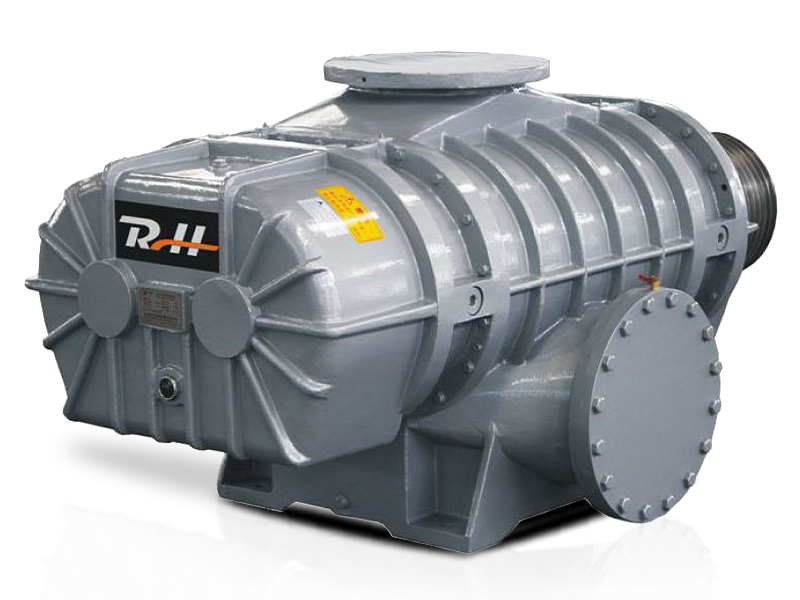
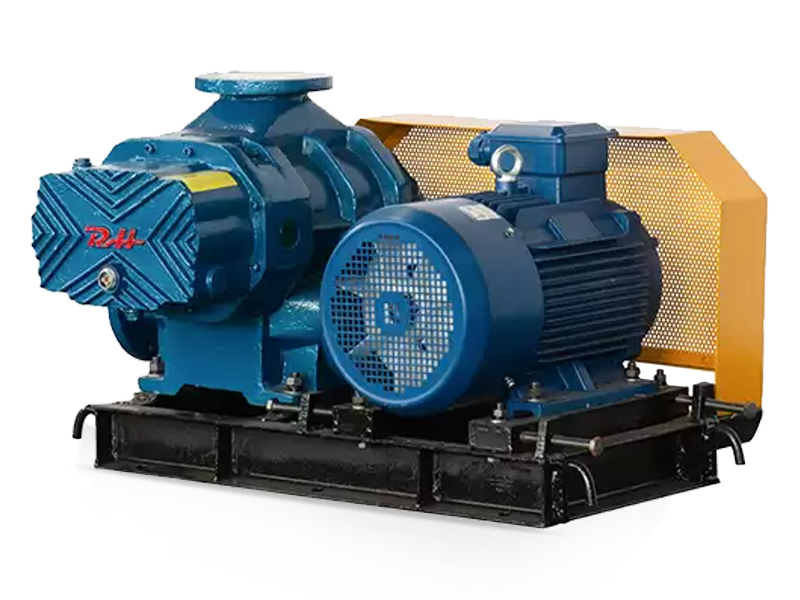
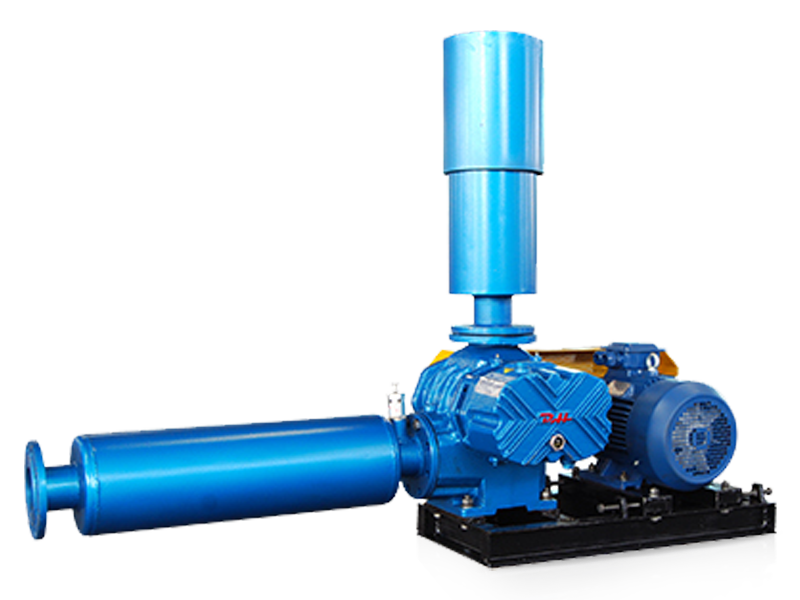
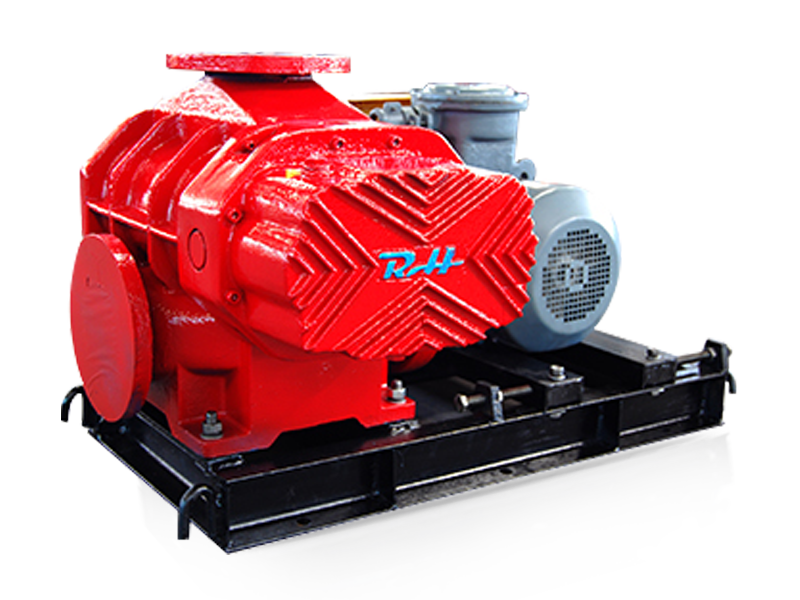
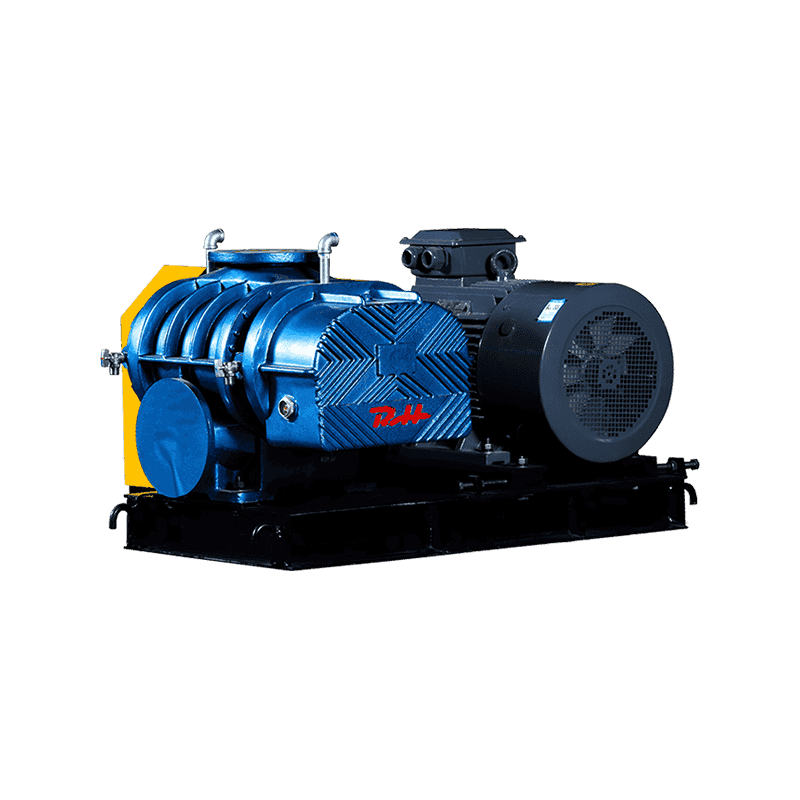
A Roots blower is a positive displacement blower that moves air or gas using two synchronized, counter-rotating rotors housed within a precision-machined casing. As the rotors turn, they trap discrete volumes of air at the inlet and carry them to the outlet without internal compression. The pressurization occurs at the discharge point when the transported air meets the back-pressure of the downstream system.
Because the rotors never physically contact each other or the casing — clearances are maintained by tight tolerancing — no lubrication is required in the airstream. The result is a completely oil-free gas delivery that is critical in sensitive biological treatment environments where hydrocarbon contamination would harm microbial communities. Modern three-lobe (tri-lobe) designs further reduce pulsation and noise compared to earlier two-lobe configurations, making them even better suited to continuous-duty environmental applications.
Aeration: The Core Application in Wastewater Treatment
Biological aeration is by far the most widespread use of Roots blowers in wastewater treatment. In activated sludge systems and extended aeration processes, oxygen must be continuously supplied to vast volumes of water to sustain the aerobic microorganisms responsible for breaking down organic pollutants. Without adequate dissolved oxygen, these bacteria cannot metabolize ammonia, BOD (biochemical oxygen demand), and other contaminants, causing treatment efficiency to collapse.
Roots blowers drive air through fine-bubble diffusers installed at the floor of aeration tanks. The fine bubbles maximize the surface area available for oxygen transfer, achieving oxygen transfer rates of 25–28% efficiency when paired with microporous aeration systems. Because Roots blowers deliver a flow that remains essentially constant regardless of modest pressure fluctuations, dissolved oxygen levels in the tank stay within the tight band — typically 2–4 mg/L — that optimizes microbial activity without wasting energy on over-aeration.
Municipal sewage treatment plants, industrial effluent facilities, and decentralized package treatment units all rely on this combination of consistent airflow and moderate operating pressure (generally 34.3–58.8 kPa for standard aeration tank depths) to meet discharge standards for COD, BOD, nitrogen, and phosphorus.
Membrane Bioreactor (MBR) Air Scouring
Membrane bioreactor technology has grown rapidly as stricter effluent quality standards demand near-drinking-water clarity from treated wastewater. In an MBR system, hollow-fiber or flat-sheet membranes filter the mixed liquor continuously, retaining suspended solids and pathogens while allowing clean permeate to pass through. However, membranes are prone to fouling as biological solids accumulate on their surface — a problem that progressively reduces flux and increases transmembrane pressure.
Roots blowers address this challenge through air scouring: bursts of pressurized air are directed along the membrane surface, creating turbulence that shears away the fouling layer and keeps the membrane in peak operating condition. The intermittent, high-energy pulses required for effective scouring play to one of the Roots blower's inherent strengths — its ability to deliver a robust, repeatable flow pulse even under varying back-pressure conditions. Properly maintained air scouring can extend membrane cleaning intervals significantly, reducing the frequency of chemical cleans and extending overall membrane service life.
Sludge Treatment and Dewatering
Wastewater treatment generates large quantities of biological sludge that must itself be processed before safe disposal or beneficial reuse. Roots blowers contribute to sludge management in two distinct ways.
In aerobic sludge digestion, blowers supply air to sludge holding tanks to sustain aerobic microorganisms that further reduce volatile solids content and pathogen levels. Continuous, stable aeration is just as important here as in the main aeration tank — interruptions allow anaerobic conditions to develop, producing odorous hydrogen sulfide and methane and reversing stabilization progress.
For vacuum-assisted sludge dewatering, Roots blowers operating in vacuum mode draw filtrate through filter belt presses or vacuum drum filters, accelerating the removal of water from sludge cake. Drier sludge reduces transportation and disposal costs substantially and is a prerequisite for thermal drying or composting processes. The same blower units used for aeration can often be reconfigured or supplemented with vacuum-rated models, reducing overall capital investment for the treatment plant.
Extended Applications in Environmental Engineering
Beyond the boundaries of the treatment plant, Roots blowers play important roles across the broader field of environmental engineering.
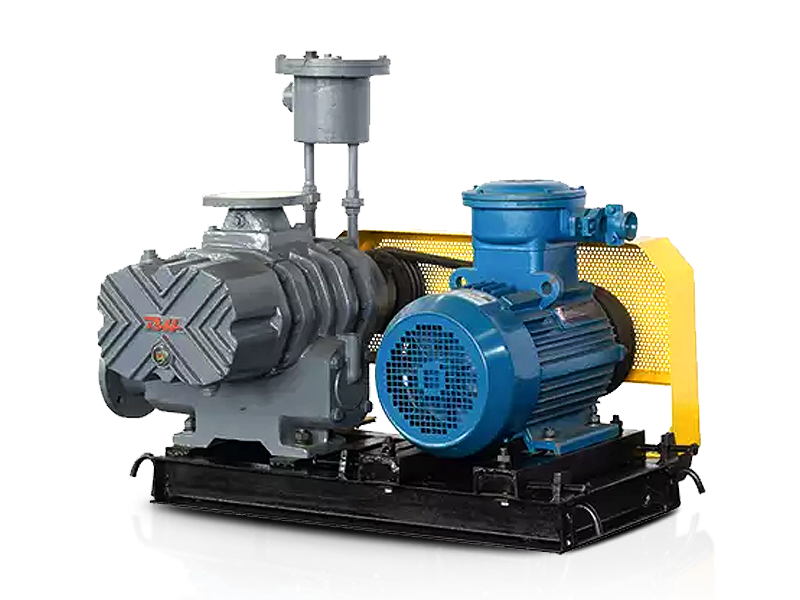
Biogas recovery and transport. Anaerobic digesters convert sewage sludge and organic waste into biogas — a mixture of methane and carbon dioxide that can be used to generate heat and electricity. Roots blowers compress and convey this biogas from the digester headspace to storage vessels, gas cleaning systems, or cogeneration engines. Their oil-free, gentle positive-displacement action is ideal for handling the mildly corrosive and flammable gas without contamination or ignition risk (explosion-proof variants are available for these applications).
Soil vapor extraction (SVE) and air sparging. At contaminated brownfield and industrial sites, volatile organic compounds (VOCs) such as chlorinated solvents and petroleum hydrocarbons are removed from the subsurface through air-based remediation techniques. In SVE, a vacuum is applied to extraction wells to volatilize and capture contaminants from unsaturated soil. In air sparging, pressurized air is injected into saturated zones to strip dissolved VOCs and enhance aerobic biodegradation in the groundwater. Roots blowers provide the moderate, steady vacuum or pressure required for both techniques across a wide range of soil permeabilities and site geometries.
Ozonation for advanced treatment. Advanced oxidation processes (AOPs) use ozone to destroy persistent organic pollutants, micropollutants such as pharmaceuticals, and disinfection byproduct precursors that resist conventional biological treatment. Roots blowers feed dry air or oxygen to ozone generators and then disperse the ozone-enriched gas into contact chambers. Their consistent flow delivery ensures that ozone dosing remains stable — a prerequisite for meeting regulatory thresholds for emerging contaminants.
Aquaculture and ecological pond management. Environmental engineers managing fish farms, constructed wetlands, and ecological restoration ponds use Roots blowers to maintain dissolved oxygen levels that support aquatic life and promote natural self-purification. Oil-free, low-noise operation is especially important in these ecologically sensitive settings.
Key Selection Criteria for Wastewater Applications
Selecting the right Roots blower for a wastewater or environmental engineering project requires careful attention to several interdependent parameters.
| Application | Typical Pressure Range | Key Consideration |
|---|---|---|
| Activated sludge aeration | 34.3–58.8 kPa | Flow stability; diffuser type |
| MBR air scouring | 40–80 kPa | Pulse capacity; cycle control |
| Sludge vacuum dewatering | −40 to −60 kPa (vacuum) | Vacuum-rated seals; filtrate handling |
| Biogas conveying | 10–50 kPa | Explosion-proof rating; gas-tight seals |
| SVE / air sparging | 20–100 kPa | Site-specific soil resistance; VOC compatibility |
Pressure and flow sizing are determined by submergence depth of diffusers (each meter of water depth adds approximately 9.8 kPa of back-pressure), pipeline resistance, and the required oxygen transfer rate. Undersizing leads to insufficient dissolved oxygen; oversizing wastes energy and accelerates wear.
Variable frequency drives (VFDs) are increasingly integrated with Roots blowers in modern treatment plants. By matching blower speed — and therefore airflow — to real-time oxygen demand measured by in-situ DO sensors, VFD-controlled systems can reduce aeration energy consumption by 20–40% compared to fixed-speed operation. This is the single largest operating cost saving available in most biological treatment facilities.
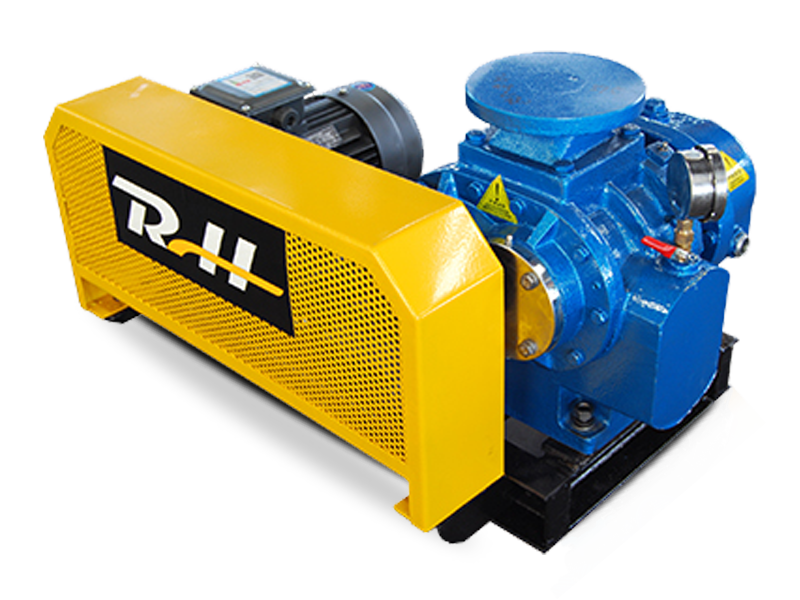
Noise control matters in urban treatment plants and sensitive environmental sites. Acoustic enclosures, inlet/outlet silencers, and anti-vibration mounts are standard options that bring sound levels into compliance with industrial and residential noise ordinances. For aquaculture and ecological applications, low-noise models are essential to avoid stress to aquatic organisms and nearby communities. Where applicable, an air suspension blower or a multistage centrifugal blower may also be considered for applications demanding ultra-low noise and very high energy efficiency at larger flow rates.
Why Choose RH Roots Blowers for Environmental Projects
Nantong Rongheng (RH) has over thirty years of specialized experience designing and manufacturing Roots blowers for demanding industrial and environmental applications. The RH product range covers the full spectrum of wastewater and environmental engineering requirements: general-purpose three-lobe models for standard aeration duty, explosion-proof variants for biogas and solvent-laden gas service, anti-corrosion designs for chemically aggressive effluents, and high-temperature/high-pressure units for specialized industrial processes.
Every RH Roots blower is engineered with precision-machined rotors and casings, double oil-tank splash lubrication for extended bearing and gear life, and compatibility with VFD control systems for energy-optimized operation. RH provides one-stop service from initial equipment selection and process sizing through installation, commissioning, and long-term after-sales support — ensuring that wastewater treatment plants and environmental remediation projects achieve reliable performance and meet the tightening environmental standards demanded by regulators worldwide.