 86-0513-68903288
 13906298796@139.com
 русский
 Español
 عربى
عربىContent
What Is a Roots Vacuum Pump and How Does It Work?
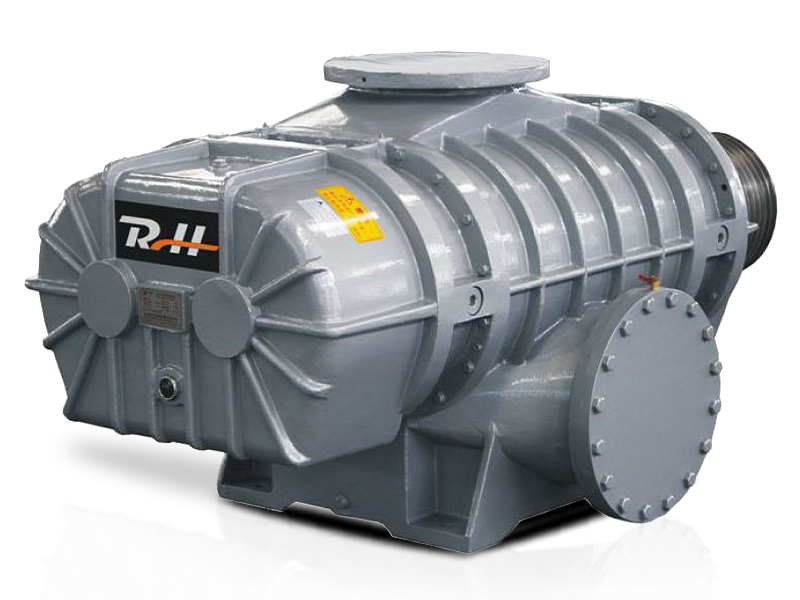
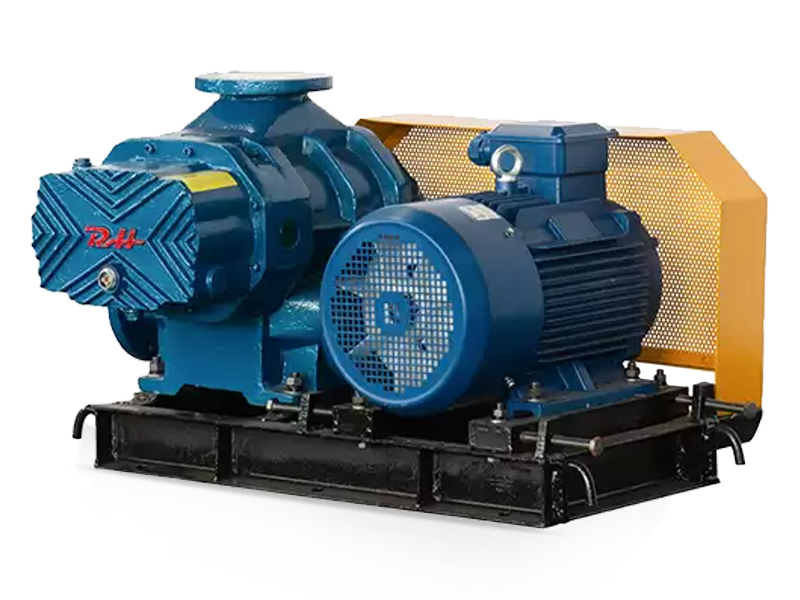
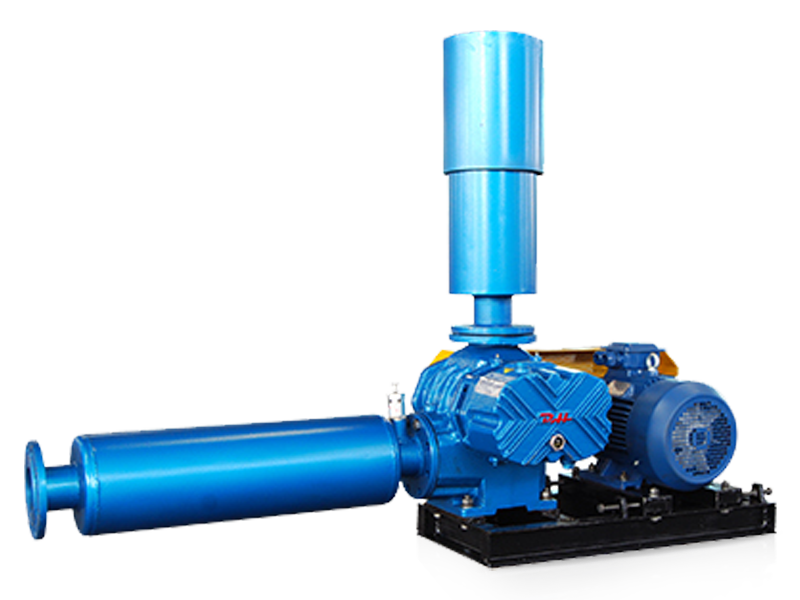
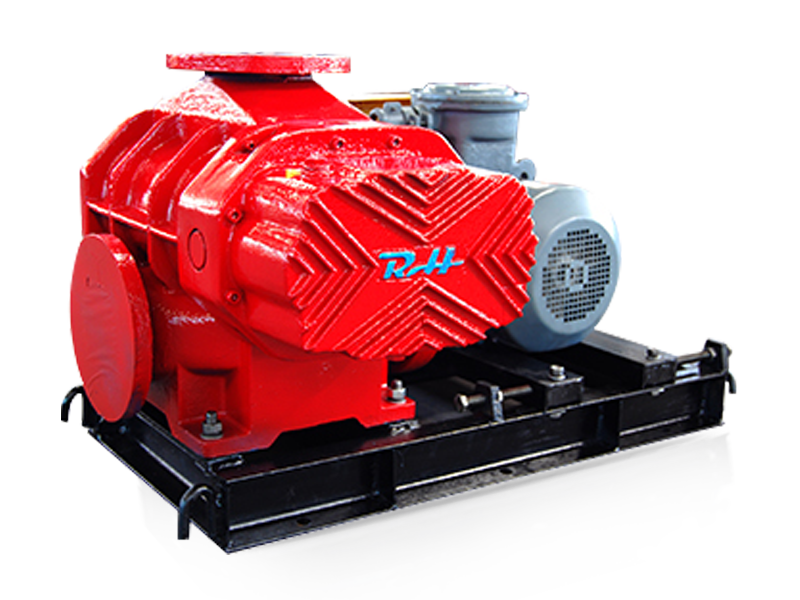
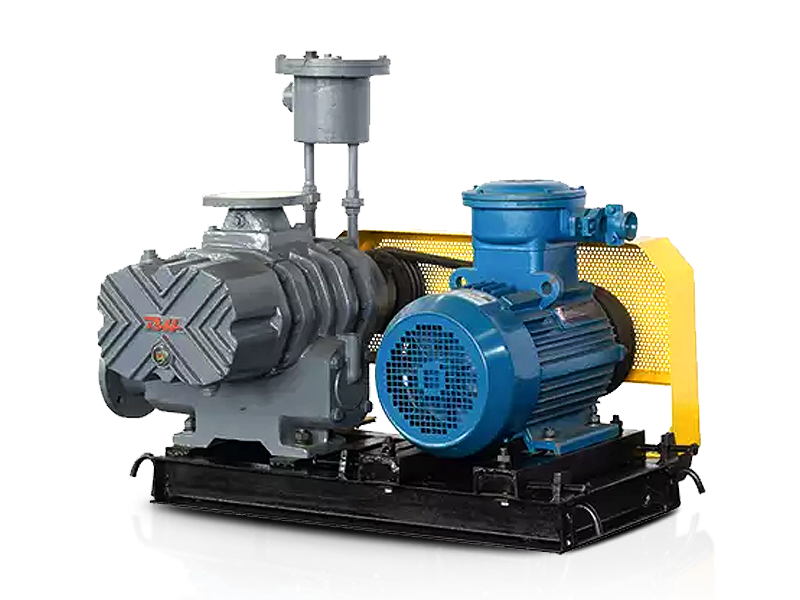
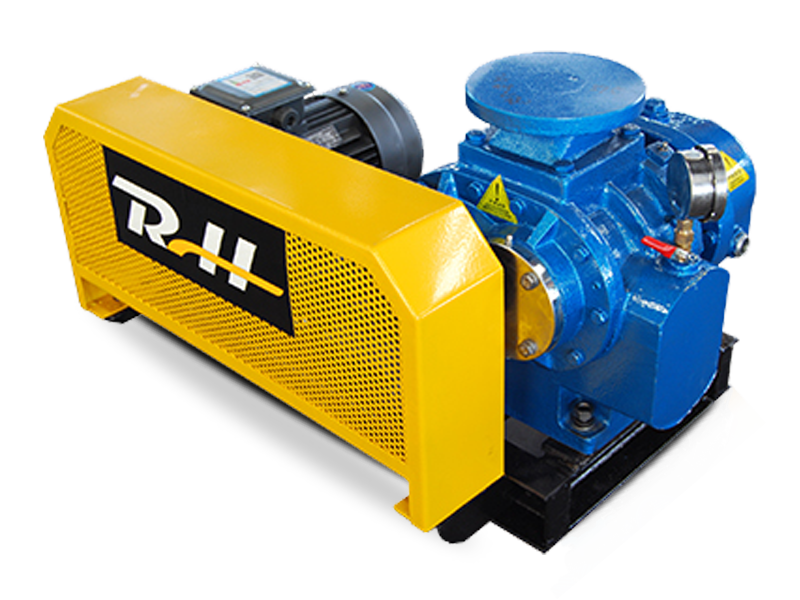
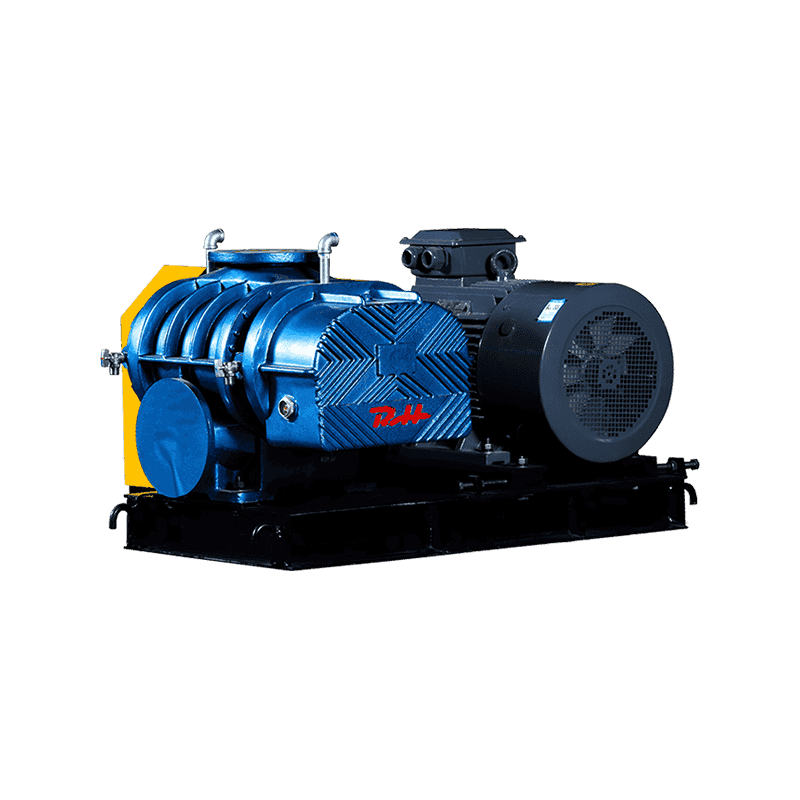
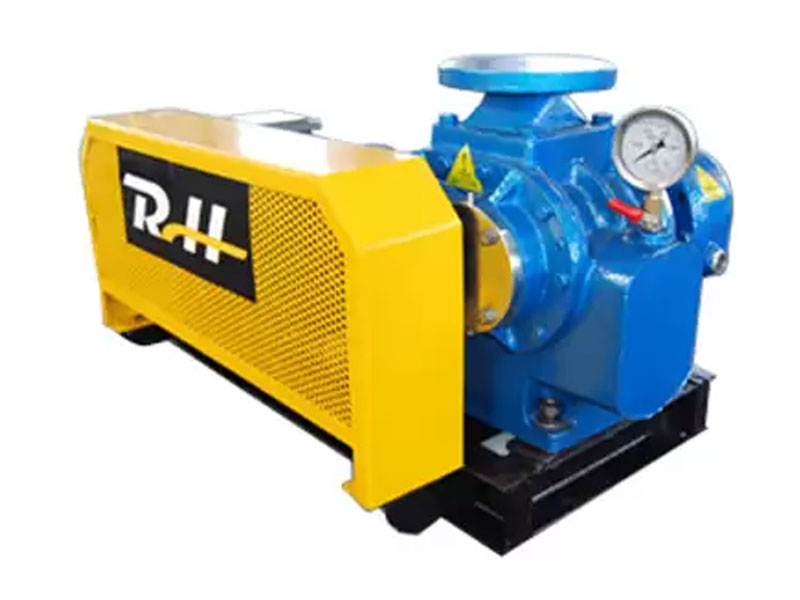
A Roots vacuum pump — also called a Roots blower or booster pump — is a positive-displacement rotary machine that moves large volumes of gas at medium vacuum levels, typically between 1 mbar and 100 mbar. Unlike oil-sealed rotary vane pumps, it operates completely dry, making it ideal for contamination-sensitive processes.
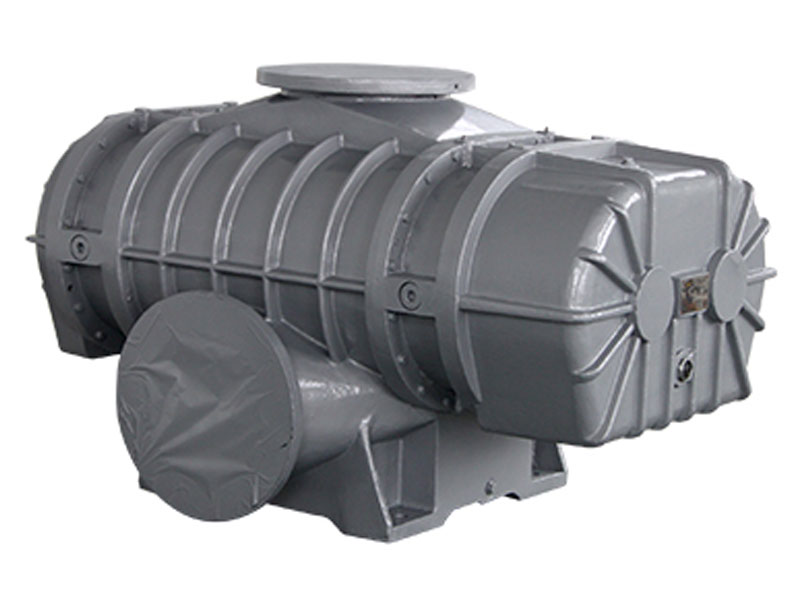
The operating principle relies on two figure-eight-shaped lobed rotors counter-rotating in precise synchronisation inside a tight-tolerance casing. Gas is trapped between each rotor lobe and the housing wall, then displaced from the inlet port to the outlet port without any compression inside the pump itself. Because the rotors never touch each other or the casing, there is no need for internal lubrication, and wear is minimal even at high rotational speeds — typically 1,450 to 3,000 rpm.
On its own, a Roots pump cannot reach deep vacuum from atmospheric pressure; its compression ratio per stage is low. This is why it is almost always paired with a backing pump — such as a rotary vane, dry screw, or liquid ring pump — to handle the rough vacuum range. The Roots unit sits upstream and boosts throughput dramatically once the system pressure has already been pulled down to the pump's operating window.
Key Performance Parameters to Evaluate
Selecting the right Roots vacuum pump requires a clear understanding of several interdependent specifications:
- Pumping speed (m³/h or CFM): The volumetric flow rate at the inlet. Roots pumps are valued precisely for their high pumping speeds — common industrial models range from 150 m³/h to over 10,000 m³/h.
- Ultimate pressure: The lowest pressure achievable in combination with the backing pump, often reaching 5 × 10⁻³ mbar in a two-stage booster arrangement.
- Compression ratio: Typically 5:1 to 10:1 per stage. For deeper vacuum, two Roots stages in series can be used before the backing pump.
- Inlet pressure range: The pump must not be started against atmosphere without a bypass valve or frequency-controlled drive, as motor overload can occur below roughly 50 mbar.
- Temperature rise: Because compression occurs at the outlet, the pump body can heat significantly during continuous operation. Water-cooled or air-cooled housings are available depending on duty cycle.
The table below summarises a typical performance comparison between single-stage and two-stage Roots booster configurations:
| Configuration | Typical Pumping Speed | Ultimate Pressure (with backing pump) | Typical Applications |
|---|---|---|---|
| Single Roots + Backing Pump | 150 – 5,000 m³/h | ~5 × 10⁻² mbar | Freeze drying, vacuum furnaces, packaging |
| Two-Stage Roots + Backing Pump | 500 – 10,000 m³/h | ~5 × 10⁻³ mbar | Semiconductor processes, metallurgy, distillation |
Industrial Applications Across Sectors
The Roots vacuum pump's combination of high throughput, clean operation, and durability has made it a workhorse across numerous industries:
Semiconductor and Electronics Manufacturing
Chemical vapour deposition (CVD), physical vapour deposition (PVD), and etching chambers all demand both high pumping speed and hydrocarbon-free vacuum. Dry Roots booster systems meet these requirements without risk of back-streaming oil contamination that would ruin wafer yield.
Pharmaceutical and Food Processing
Freeze-drying (lyophilisation) is among the most demanding vacuum applications in pharma, requiring sustained pumping speeds at the low-mbar range to sublime water from product at sub-zero temperatures. Roots boosters paired with liquid ring pumps are the standard solution, since water vapour tolerance and oil-free operation are both critical.
Metallurgy and Heat Treatment
Vacuum furnaces for sintering, annealing, and brazing require rapid pump-down from atmospheric pressure to process pressure. The large displacement volume of a Roots pump dramatically reduces cycle time compared to using only a rotary backing pump, directly improving throughput and energy efficiency per batch.
Chemical and Petrochemical Distillation
Molecular distillation of heat-sensitive compounds — essential oils, fatty acids, vitamin extracts — must occur at pressures below 1 mbar to keep boiling temperatures low enough to prevent thermal degradation. Roots boosters, often in multi-stage arrangements, are the enabling technology for this fine-chemistry sector.
Roots Vacuum Pump vs. Other Vacuum Technologies
Understanding where a Roots pump fits within the broader vacuum technology landscape helps engineers make the correct system choice:
- Vs. rotary vane pump: Rotary vane pumps are oil-sealed and work well as standalone units for moderate vacuum (down to ~10⁻³ mbar). A Roots booster ahead of a vane pump can increase effective pumping speed by 5–10× in the medium vacuum range, at the cost of added complexity and capital investment.
- Vs. dry screw pump: Dry screw pumps can operate standalone from atmosphere to fine vacuum and are increasingly favoured in semiconductor fabs. Roots boosters are still often added in front of screw pumps to maximise throughput at the medium-vacuum stage.
- Vs. liquid ring pump: Liquid ring pumps are robust with wet or condensable gases but are limited to rough vacuum (typically above 20 mbar). Roots boosters extend the achievable vacuum range significantly when paired with a liquid ring backing pump.
- Vs. turbomolecular pump: Turbomolecular pumps handle the high-vacuum and ultra-high-vacuum range (below 10⁻³ mbar) but require a Roots or dry screw backing pump themselves; they cannot exhaust directly to atmosphere.
The Roots pump thus occupies a critical middle position in almost every industrial vacuum system targeting pressures between 1 mbar and 100 mbar, acting as the high-throughput bridge between rough and fine vacuum stages.
Maintenance Best Practices and Common Failure Modes
Because the rotors operate with tight radial and axial clearances — often as small as 0.1–0.3 mm — maintaining those clearances is the central challenge in Roots pump upkeep.
- Gear oil changes: The timing gears in the side covers are lubricated separately from the gas path. Oil should be changed every 2,000–4,000 operating hours depending on the manufacturer's specification and process contamination level.
- Shaft seal inspection: Lip seals or labyrinth seals prevent process gas from migrating to the gear chamber and vice versa. Worn seals cause cross-contamination and reduced pumping performance.
- Rotor deposits: In processes involving condensable vapours or reactive gases, deposits can build up on rotor surfaces, narrowing clearances and eventually causing rotor contact — a catastrophic failure. Periodic solvent flushing or dry nitrogen purge procedures can prevent accumulation.
- Bearing vibration monitoring: Elevated vibration measured via an accelerometer on the bearing housings is an early warning indicator of bearing wear, rotor imbalance, or debris ingestion.
- Bypass valve function: The anti-suckback or bypass valve must be checked at each scheduled service to ensure the Roots pump is never started against a closed system above its maximum inlet pressure rating.
With proper maintenance, a well-specified Roots vacuum pump can deliver more than 20,000 hours of reliable service before major overhaul is required, making it one of the most cost-effective vacuum solutions over its lifecycle.